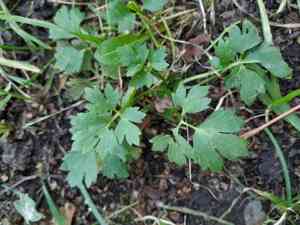
Creeping buttercup (Ranunculus repens)
Also known as: Creeping crowfoot
Although once valued as an ornamental plant, creeping buttercup (Ranunculus repens) has become invasive in various regions. Its spread is often facilitated by the movement of hay, complicating control efforts. Additionally, the plant is toxic and can cause skin irritation and blistering, adding a layer of difficulty to its management.
Attributes of Creeping buttercup
Images of Creeping buttercup
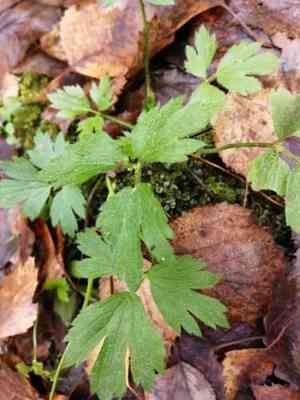
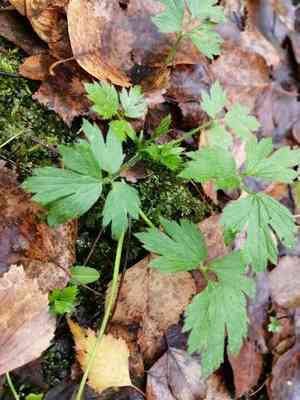
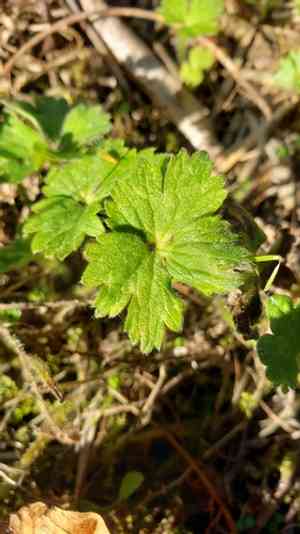
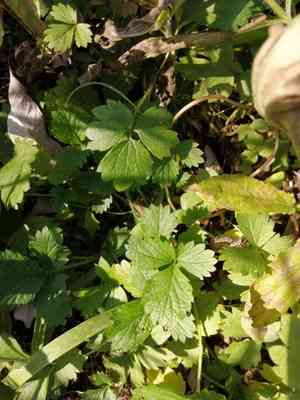
Quickly Identify Creeping buttercup
Scientific Classification of Creeping buttercup
Planting and Growing of Creeping buttercup
 How to Water Creeping buttercup?
 What Are the Sunlight Requirements for Creeping buttercup?
 What Is the Ideal Temperature Range for Creeping buttercup?
 What Soil is Best for Creeping buttercup?
 How to Fertilize Creeping buttercup?
 How to Prune Creeping buttercup?
 How to Propagate Creeping buttercup plant?
 How to Repot Creeping buttercup plant?
Toxicity of Creeping buttercup
Is Creeping buttercup toxic to humans?
Creeping buttercup poses a toxic threat to humans when any portion of the plant, particularly the flowers, is consumed in its raw form or when mishandled. Ingesting this plant can lead to painful blistering in the oral cavity due to its inner juices. Additional adverse effects from eating the plant may include stomach upset, irritation of the bladder and urinary tract, irregular heart rhythms, feelings of dizziness, headaches, and in severe instances, potential loss of consciousness. Moreover, direct skin contact with creeping buttercup can result in blisters and burns, and it may also heighten the risk of sunburn.
Is Creeping buttercup toxic to cat?
Creeping buttercup presents a moderate toxicity threat to cats. If any part of the plant is consumed, it can result in poisoning. Ingestion may happen during inquisitive exploration or unintentional consumption. Cats that are affected may exhibit symptoms that suggest physical discomfort or distress. After ingestion, it is crucial to pursue immediate veterinary attention to safeguard the cat's health and well-being.
Is Creeping buttercup toxic to dog?
Creeping buttercup presents a moderate toxicity hazard to dogs. When any portion of the plant is consumed by dogs, they become vulnerable to poisoning because of its toxic characteristics. Every part of the plant is detrimental, and dogs risk poisoning through ingestion. Poisoning symptoms may encompass gastrointestinal distress, excessive salivation, vomiting, diarrhea, and in more severe instances, further critical symptoms may develop. Should you suspect that your dog has consumed creeping buttercup, it is crucial to obtain prompt veterinary assistance to secure the best possible outcome for your animal.



