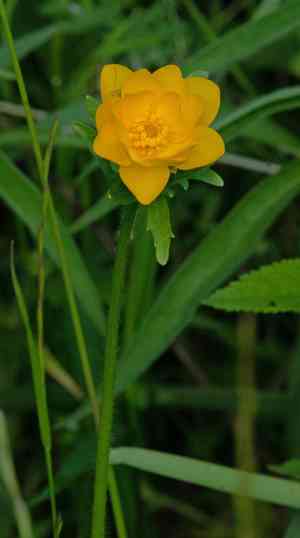
Large buttercup (Ranunculus macranthus)
Also known as: None
The Marsh Marigold (Caltha palustris) is known for its striking, butter-yellow flowers that stand out prominently. This plant flourishes in moist, well-drained soils commonly found in open meadows and wetlands. Its glossy petals and broad leaves benefit from ample sunlight, which aids its growth. The sizable blooms of the Marsh Marigold are not only eye-catching but also play a crucial role in attracting pollinators, making it an important part of its ecosystem.
In This Article
Attributes of Large buttercup
Lifespan
Perennial
Plant Type
Herb
Plant Height
30 cm to 91 cm
Spread
15-25 cm
Leaf Color
Green
Flower Size
5-7 cm
Flower Color
Yellow
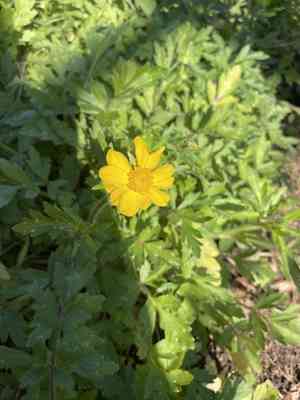
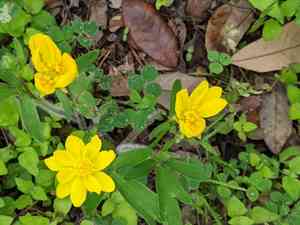
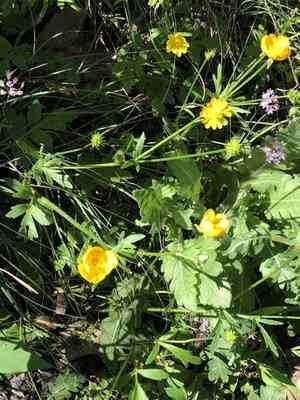
Images of Large buttercup
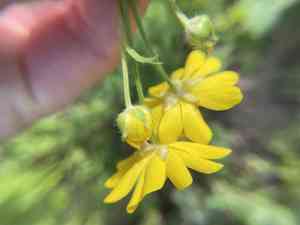
Quickly Identify Large buttercup
1
Look for large, bright yellow flowers with a glossy appearance and broad, deeply divided leaves.
Scientific Classification of Large buttercup
Phylum
Vascular plants
Class
Dicotyledons
Order
Ranunculales
Family
Buttercup
Genus
Ranunculus
Species
Large buttercup
Planting and Growing of Large buttercup
Care Difficulty
Easy
Watering Schedule
Every 3 days
Sunlight Requirements
Partial sun
Sunshine Duration
10-12 hours
Ideal Temperature
60-75℉
Soil Type
Potting Mix, Peat Mix
Soil pH
6.5-7.5
Fertilizer Type
Balanced
Pruning Season
Spring, Summer
Pruning Area
Branches, Leaves
Pruning Frequency
2 times a year
Repotting Season
Spring
Pot Type
Plastic, Ceramic
 How to Water Large buttercup?
For Ranunculus macranthus, water deeply but avoid waterlogging. A single soaking should ideally moisten the soil without causing runoff. Ensure that the water penetrates about 15-20 centimeters into the soil, mimicking a gentle rain shower.
What are the symptoms of an underwatered Large buttercup?
›
What should I do if my Large buttercup is not getting enough water?
›
What are the symptoms of an overwatered Large buttercup?
›
How to save an overwatered Large buttercup?
›
 What Are the Sunlight Requirements for Large buttercup?
Ranunculus macranthus thrives in a light range of partial to full sun. This exposure facilitates robust flowering and vigorous growth, optimizing its decorative and garden appeal.
What is the best lighting setup?
›
How can I achieve this lighting condition?
›
What are the benefits of ideal lighting for Ranunculus macranthus?
›
 What Is the Ideal Temperature Range for Large buttercup?
The ideal temperature range for growing Ranunculus macranthus is between 60°F and 75°F. Maintaining a consistent temperature within this range ensures optimal growth and blooming. These temperatures mimic the plant's natural habitat, providing a conducive environment for healthy development.
 What Soil is Best for Large buttercup?
Ranunculus macranthus thrives in soil that has an excellent ability to retain moisture. This feature helps the plant maintain its hydration level during dry spells, ensuring optimal growth and vibrant blooms. The plant requires a nutrient-rich soil to support its lush foliage and prolific flowering. High organic matter content provides essential nutrients that promote healthy development and disease resistance. While moisture retention is vital, drainage should not be compromised. Ranunculus macranthus demands well-drained soil to prevent root rot and other fungal issues, allowing for healthy plant establishment.
 How to Fertilize Large buttercup?
Ranunculus macranthus requires moderate fertilization. Use a balanced fertilizer with a ratio such as 10-10-10. When using liquid fertilizer, dilute 1 tablespoon per gallon of water. For slow-release fertilizers, apply 1 ounce per square foot of soil.
 How to Prune Large buttercup?
Begin by cutting away any dead or damaged stems back to the base of the plant. This will prevent diseases from spreading and will promote healthier new growth. Trim the plant to maintain its desired shape. Focus on cutting back older stems to make room for new growth, which will lead to more vibrant flowers. After the flowers have bloomed and started to fade, remove them to encourage the plant to produce more blooms. Cut the flower stems at a 45-degree angle just above a leaf node.
More About Pruning Techniques→
 How to Propagate Large buttercup plant?
1
Start by filling seed trays with a well-draining seed starting mix. Sow the Ranunculus macranthus seeds lightly on top of the soil and cover them with a thin layer of mix. Maintain moisture by regularly misting with water.
2
Before dividing the plant, water it thoroughly a day in advance. This helps ease the removal of the plant from the ground and reduces root disturbance.
3
After division, plant the new sections in prepared soil, ensuring each has a healthy root system. Water them in well and place them in a location that matches their light and temperature requirements.
 How to Repot Large buttercup plant?
1
Repot your Ranunculus macranthus when new growth starts in spring or autumn. Signs that it's time to repot include roots growing out of the drainage holes or the soil drying out more quickly than usual.
2
Choose a pot that is one size larger than the current one, with adequate drainage holes. A slightly larger pot allows room for root expansion without overwhelming the plant, ensuring a healthy growth environment.
3
Opt for a well-draining potting mix rich in organic matter. This type of soil will provide the right balance of nutrients and prevent root rot by allowing excess water to escape easily.
Toxicity
Ingestion
WARNING
The judgment on toxicity and danger is for reference only. We DO NOT GUARANTEE any accuracy of such judgment. Therefore, you SHALL NOT rely on such judgment. It is IMPORTANT TO SEEK PROFESSIONAL ADVICE in advance when necessary.
Learn More About Large buttercup Diseases
Anthracnose
Bacterial Leaf Spot
Bacterial Soft Rot
Bacterial Wilt
Black Spot
Chemical Injury
Crown Gall
Cyst Nematode
Damping-off
Downy Mildew
Drought Stress
Fusarium Wilt
Gray Mold
Leaf Curl
Leaf Spot
Mosaic
Nutrient Deficiency
Nutrient Toxicity
Powdery Mildew
Root Rot
Root-knot Nematode
Rusts
Sooty Mold
Spider Mites
Temperature Stress
Thrips Damage
White Mold



