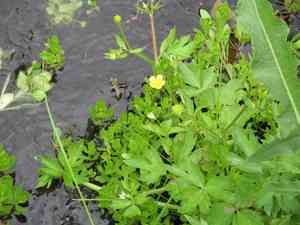
Macoun's buttercup (Ranunculus macounii)
Also known as: Macoun's buttercup
Certainly! Here’s a revised response incorporating distinctive elements:
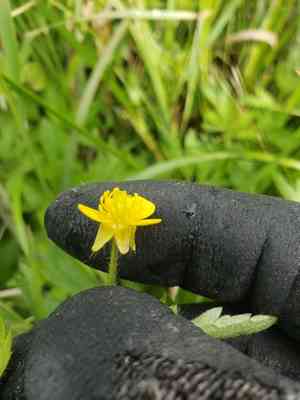
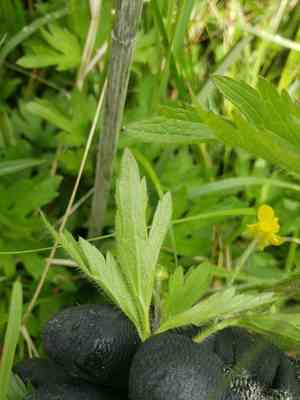
The stems are often covered in fine hairs, although some populations exhibit smooth, hairless stems. Leaves are predominantly trifoliate with lobed and serrated edges, attached to the plant by elongated, hairy stalks. Flowers display five glossy, yellow petals each less than a centimeter in length, encircling a dense cluster of numerous stamens and pistils. The fruit consists of achenes, grouped together in a spherical formation containing 20 or more units.
In This Article
Attributes of Macoun's buttercup
Lifespan
Perennial
Plant Type
Herb
Plant Height
30 cm to 61 cm
Spread
N/A
Leaf Color
Green
Flower Size
1-2 cm
Flower Color
Yellow
Images of Macoun's buttercup
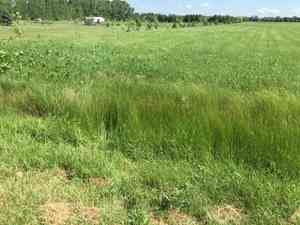
Quickly Identify Macoun's buttercup
1
To identify Ranunculus macounii, look for its bright yellow, glossy flowers with five petals, divided leaves, and a cluster of fibrous roots. It usually blooms in spring and early summer.
Scientific Classification of Macoun's buttercup
Phylum
Vascular plants
Class
Dicotyledons
Order
Ranunculales
Family
Buttercup
Genus
Ranunculus
Species
Macoun's buttercup
Planting and Growing of Macoun's buttercup
Care Difficulty
Moderate
Watering Schedule
Every 4 days
Sunlight Requirements
Partial sun
Sunshine Duration
4-8 hours
Ideal Temperature
60-75℉
Soil Type
Potting Mix, Peat Mix
Soil pH
6.5-7.5
Fertilizer Type
Balanced
Pruning Season
Spring, Summer
Pruning Area
Branches, Leaves
Pruning Frequency
2 times a year
Repotting Season
Spring
Pot Type
Plastic, Ceramic
 How to Water Macoun's buttercup?
For Ranunculus macounii, watering should be thorough but not excessive, approximately 200 ml per session. It's crucial to ensure that the soil is moist but not waterlogged. Always check that the top inch of the soil is dry before watering again. This prevents root rot and ensures optimal growth under moist but well-drained conditions.
What are the symptoms of an underwatered Macoun's buttercup?
›
What should I do if my Macoun's buttercup is not getting enough water?
›
What are the symptoms of an overwatered Macoun's buttercup?
›
How to save an overwatered Macoun's buttercup?
›
 What Are the Sunlight Requirements for Macoun's buttercup?
Ranunculus macounii requires partial sun to full sun exposure, translating to ideally 4 to 6 hours of sunlight. Such conditions facilitate optimal blooming and maintenance of its vibrant foliage.
How much light does Ranunculus macounii need?
›
What solutions help achieve ideal lighting?
›
What are the benefits of ideal lighting for Ranunculus macounii?
›
 What Is the Ideal Temperature Range for Macoun's buttercup?
Ranunculus macounii prefers temperatures that range from 60°F to 75°F. This range provides optimal conditions for growth, allowing the plant to absorb nutrients efficiently and maintain overall health. Consistently keeping the temperature within these parameters ensures vibrant blooms and robust foliage.
 What Soil is Best for Macoun's buttercup?
Ranunculus macounii thrives in nutrient-rich soil due to its ability to support strong growth and vibrant blooms. Nutrient-rich soil enhances its vitality and ensures healthy flowering. A well-draining soil is essential for Ranunculus macounii to prevent root rot. This type of soil allows for excess water to escape, keeping roots healthy and disease-free. Maintaining a slightly moist soil environment is crucial for Ranunculus macounii, as it helps sustain the plant's hydration needs without waterlogging and supports continuous growth.
 How to Fertilize Macoun's buttercup?
For Ranunculus macounii, use a balanced fertilizer with equal parts nitrogen, phosphorus, and potassium (e.g., 10-10-10). When using liquid fertilizer, dilute it to half strength to prevent burning the delicate roots of the plant. As a rule of thumb, use about 1 tablespoon of diluted solution per 2 gallons of water.
 How to Prune Macoun's buttercup?
Start by sterilizing your pruning shears to prevent the spread of any potential diseases. Identify any dead, diseased, or damaged stems and remove them close to the base. Trim back any overly long or leggy shoots, which encourages bushier growth and reduces vulnerability to breakage or wind damage. To enhance blooming, focus on deadheading spent flowers. Carefully snip the faded blooms just above a healthy leaf node to encourage the plant to produce more flowers throughout the growing seasons. This process not only rejuvenates the plant but also prevents it from diverting energy into seed production.
More About Pruning Techniques→
 How to Propagate Macoun's buttercup plant?
1
Start by filling your seed tray with a good quality potting mix. Sow the seeds on the surface and cover them lightly with soil or a thin layer of sand. Keep the soil consistently moist but not waterlogged, and ensure they are in a warm place to aid germination, which usually takes 2-4 weeks.
2
Dig up the plant carefully, trying not to damage the roots. Use a sharp knife or your hands to separate the clumps into smaller sections, each with roots and shoots. Replant these divisions promptly in prepared ground or pots, watering them well after planting.
3
Once the seeds have germinated or divisions planted, monitor root development. In the case of seedlings, wait until they have two sets of true leaves before transplanting. For divisions, watch for new growth as a sign that they have successfully established.
 How to Repot Macoun's buttercup plant?
1
Repot your Ranunculus macounii when you notice its roots bound or growing out of drainage holes, or if the soil appears compacted and water-logged. These signs indicate it's time to provide your plant with fresh soil and additional space for healthy growth.
2
Select a pot slightly larger than the current one with ample drainage holes. This prevents waterlogging and root rot, allowing the roots to spread comfortably. A pot that's too large can cause the soil to retain excess moisture, so the size needs to be just right.
3
Opt for a well-draining sandy soil mix with organic matter. This choice ensures your Ranunculus macounii gets adequate aeration and nutrients while preventing water from stagnating, mimicking its natural habitat conditions for optimal growth.
Toxicity
Ingestion
WARNING
The judgment on toxicity and danger is for reference only. We DO NOT GUARANTEE any accuracy of such judgment. Therefore, you SHALL NOT rely on such judgment. It is IMPORTANT TO SEEK PROFESSIONAL ADVICE in advance when necessary.



