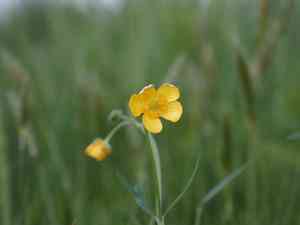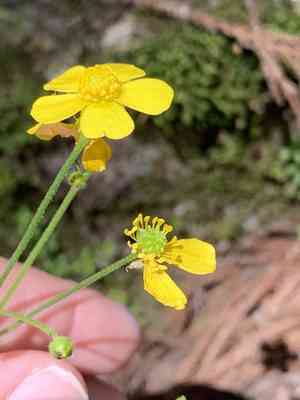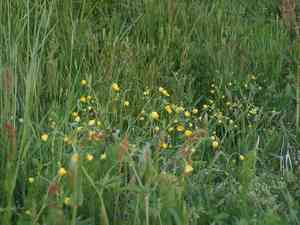
Maogen(Ranunculus japonicus)

Maogen (Ranunculus japonicus)

Also known as: Japanese Buttercup

The plant stands between 30 to 60 cm tall and is characterized by long white hairs on both the stem and the underside of its leaves. The leaves are simple and typically exhibit 3-5 lobes, resembling a palm shape. They are attached to the stem with long petioles, while shorter petioles are found mid-stem, and small, linear leaves are present near the top. The leaf blades range from 2.5 to 7 cm in length and are arranged concentrically. The plant flowers in spring, producing blooms with a diameter of 1.5 to 2 cm. Each flower has five petals that are broadly ovate, measuring 1 to 1.2 cm in length, and come in a vibrant yellow color with a distinctive sheen. Post-flowering, the plant develops small, spherical aggregate fruits about 5 mm in diameter.

Attributes of Maogen

Lifespan
Perennial
Plant Type
Herb
Plant Height
30 cm to 70 cm
Spread
30 cm
Leaf Color
Green
Flower Size
1.5 cm to 2 cm
Flower Color
Yellow

ForwardPlant - Identify plants with a snap

Identify and diagnose plants, get toxicity alerts, and explore safety guides for all types of fungi.

Try for Free

Images of Maogen

Maogen(Ranunculus japonicus)

Quickly Identify Maogen

1
To identify Ranunculus japonicus, look for bright yellow, glossy flowers with five to seven petals. The leaves are typically lobed and grow in a rosette at the base. The plant prefers moist, well-drained soils and often grows in clumps.

Scientific Classification of Maogen

Phylum
Vascular plants
Class
Dicotyledons
Order
Buttercups, poppies and allies
Family
Buttercup
Genus
Ranunculus
Species
Maogen

Planting and Growing of Maogen

Care Difficulty
Hard
Watering Schedule
Every 4 days
Sunlight Requirements
Partial sun
Sunshine Duration
4-6 hours
Ideal Temperature
59-77℉
Soil Type
Potting Mix, Peat Mix
Soil pH
6.5-7.5
Fertilizer Type
Balanced
Pruning Season
Spring, Summer
Pruning Area
Branches, Leaves
Pruning Frequency
Once a year
Repotting Season
Spring
Pot Type
Plastic, Ceramic

water icon How to Water Maogen?

Ranunculus japonicus thrives in moist conditions but doesn't appreciate standing water. Water it until the top inch of soil is moist, approximately 200 ml each time, allowing excess to drain completely. This avoids root rot while ensuring sufficient hydration.
What are the symptoms of an underwatered Maogen?
What should I do if my Maogen is not getting enough water?
What are the symptoms of an overwatered Maogen?
How to save an overwatered Maogen?

sunlight icon What Are the Sunlight Requirements for Maogen?

Sunlight Requirements: Partial sun, Full shade
Duration of light: 2 to 6 hours daily
Partial sun or full shade provide the best lighting conditions, optimizing Ranunculus japonicus growth. Ideal lighting supports lush foliage and vibrant blooms, amplifying its natural beauty and health.
What is the perfect spot for Ranunculus japonicus?
How can I ensure ideal lighting conditions indoors?
What are the benefits of maintaining ideal lighting for Ranunculus japonicus?
More About Sunlight Requirements Techniques

temperature icon What Is the Ideal Temperature Range for Maogen?

Ideal Temperature: 59 ~ 77℉
The ideal temperature range for Ranunculus japonicus is between 59°F and 77°F. This range allows for optimal growth and development. Temperatures within this range provide the necessary warmth for photosynthesis and nutrient absorption without causing stress to the plant. Maintaining these temperatures can lead to vibrant flowering and overall plant health.

soil icon What Soil is Best for Maogen?

Soil type: Loam, Sandy loam
Soil PH: 6.5 ~ 7.5
Ranunculus japonicus thrives in nutrient-rich soils that provide essential minerals and organic matter, promoting healthy growth and vibrant blooms. It's crucial for the soil to drain well to prevent root rot. Adequate drainage ensures oxygen reaches the roots and maintains plant health. While draining well, the soil should still hold sufficient moisture to hydrate the plant, balancing water availability efficiently.

fertilize icon How to Fertilize Maogen?

Fertilizer type: Balanced
Ranunculus japonicus thrives when provided with a balanced nutrient regimen. For liquid fertilizers, dilute according to the manufacturer's instructions to achieve a half-strength solution. Apply about 250ml per application to avoid overfeeding.

prune icon How to Prune Maogen?

Pruning Time: Spring, Summer
Begin by identifying and removing any dead or yellowing leaves, cutting as close to the base as possible. For shaping, use clean cuts at an angle about a quarter inch above healthy leaves or buds. Always err on the side of caution; it's better to under-prune and adjust later than over-prune. Tackle any overgrown stems by cutting them back to their base or to a main stem. This not only tidies the appearance but also allows better air circulation within the plant, reducing humidity that can lead to fungal issues. More About Pruning Techniques

propagate icon How to Propagate Maogen plant?

Propagate Time: Spring, Early summer
1
Identify mature seeds from healthy Ranunculus japonicus plants. Ensure seeds are dry and free from disease before storing them in a cool, dark place until planting time.
2
Use a well-draining potting mix for sowing seeds or dividing plants. Mix in some perlite or sand to improve drainage if necessary, ensuring the medium is also nutrient-rich for optimal growth.
3
Gently dig up the plant and shake off excess soil. Using a garden knife, divide the root ball into smaller sections, making sure each section has at least one viable shoot and a good portion of roots.

repot icon How to Repot Maogen plant?

Repotting frequency: Every 2-3 years
1
Ranunculus japonicus plants signal the need for repotting when roots begin to emerge through drainage holes or the plant appears root-bound. Optimal repotting times are during spring and autumn, ensuring the plant has sufficient growth after recovery.
2
Select a container with a diameter 2 inches larger than the current pot. Ensure it has adequate drainage holes to prevent waterlogging. A slightly bigger pot allows more room for root growth, preventing compaction and promoting healthier plant development.
3
Opt for well-draining loamy soil. This soil mix retains enough moisture for plant health while allowing excess water to escape, preventing root rot. The balanced nutrient content supports vigorous growth and abundant flowering.

ForwardPlant - Identify plants with a snap

Find the best spots for them to optimize their health, simply using your phone.

Try for Free

Toxicity of Maogen

Is Maogen toxic to humans?

The foliage of maogen exhibits mild toxicity. Its sap harbors ranunculin, a noxious compound that causes severe irritation to both the skin and eyes. The primary danger associated with this plant arises from direct contact with these sensitive areas, as the likelihood of accidental ingestion remains low. Nevertheless, the vivid yellow flowers of this often-encountered garden plant may attract children, potentially leading to intentional consumption. Skin contact can result in symptoms such as swelling, rashes, and blisters, while contact with this plant's sap can also inflict burns and harm to the eyes. Ingestion of any part of the plant may lead to nausea, vomiting, abdominal discomfort, and diarrhea.

Identify toxic plants for your safety

Learn which plants are harmful to you and your pets, and make informed choices for a safer home!

Try for Free
WARNING
The judgment on toxicity and danger is for reference only. We DO NOT GUARANTEE any accuracy of such judgment. Therefore, you SHALL NOT rely on such judgment. It is IMPORTANT TO SEEK PROFESSIONAL ADVICE in advance when necessary.
More About Toxic Techniques