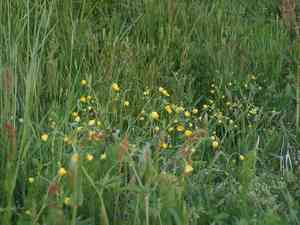
Maogen (Ranunculus japonicus)
Also known as: Japanese Buttercup
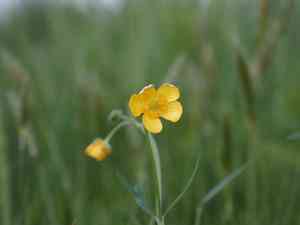
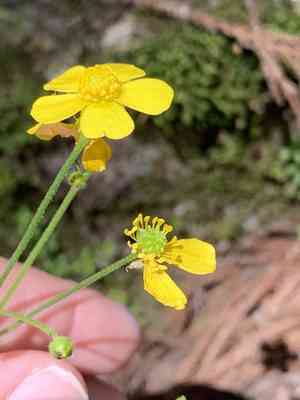
The plant stands between 30 to 60 cm tall and is characterized by long white hairs on both the stem and the underside of its leaves. The leaves are simple and typically exhibit 3-5 lobes, resembling a palm shape. They are attached to the stem with long petioles, while shorter petioles are found mid-stem, and small, linear leaves are present near the top. The leaf blades range from 2.5 to 7 cm in length and are arranged concentrically. The plant flowers in spring, producing blooms with a diameter of 1.5 to 2 cm. Each flower has five petals that are broadly ovate, measuring 1 to 1.2 cm in length, and come in a vibrant yellow color with a distinctive sheen. Post-flowering, the plant develops small, spherical aggregate fruits about 5 mm in diameter.
Attributes of Maogen
Images of Maogen


Quickly Identify Maogen
Scientific Classification of Maogen
Planting and Growing of Maogen
 How to Water Maogen?
 What Are the Sunlight Requirements for Maogen?
 What Is the Ideal Temperature Range for Maogen?
 What Soil is Best for Maogen?
 How to Fertilize Maogen?
 How to Prune Maogen?
 How to Propagate Maogen plant?
 How to Repot Maogen plant?
Toxicity of Maogen
Is Maogen toxic to humans?
The foliage of maogen exhibits mild toxicity. Its sap harbors ranunculin, a noxious compound that causes severe irritation to both the skin and eyes. The primary danger associated with this plant arises from direct contact with these sensitive areas, as the likelihood of accidental ingestion remains low. Nevertheless, the vivid yellow flowers of this often-encountered garden plant may attract children, potentially leading to intentional consumption. Skin contact can result in symptoms such as swelling, rashes, and blisters, while contact with this plant's sap can also inflict burns and harm to the eyes. Ingestion of any part of the plant may lead to nausea, vomiting, abdominal discomfort, and diarrhea.



