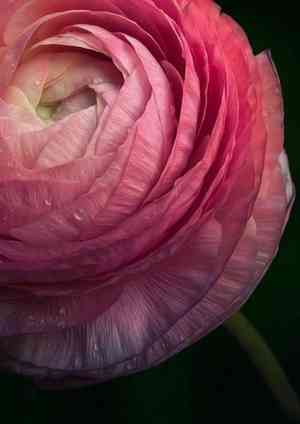
Persian buttercup (Ranunculus asiaticus)
Also known as: Asiatic Buttercup, Garden crowfoot, Asiatic crowfoot
Ranunculus asiaticus, commonly known as the Persian buttercup, is a flowering species native to the eastern Mediterranean. It stands out for its ability to withstand cooler temperatures and is cherished for its striking blooms, making it a favored ornamental plant.
Attributes of Persian buttercup
Images of Persian buttercup




Quickly Identify Persian buttercup
Scientific Classification of Persian buttercup
Planting and Growing of Persian buttercup
 How to Water Persian buttercup?
 What Are the Sunlight Requirements for Persian buttercup?
 What Is the Ideal Temperature Range for Persian buttercup?
 What Soil is Best for Persian buttercup?
 How to Fertilize Persian buttercup?
 How to Prune Persian buttercup?
 How to Propagate Persian buttercup plant?
 How to Repot Persian buttercup plant?
Toxicity of Persian buttercup
Is Persian buttercup toxic to humans?
The risk of poisoning from the Persian buttercup predominantly arises when individuals come into contact with its damaged foliage or consume the leaves or flowers. Contact with the plant’s toxic compounds found in the leaves can result in symptoms including inflammation, itching, burning sensations, blisters, and dermatitis at the point of contact. Consuming the leaves or flowers can lead to more serious reactions such as abdominal pain, nausea, diarrhea, dizziness, and even paralysis. While the plant is at its most toxic during its flowering period, it is advisable to avoid handling or ingesting it at any time.
Is Persian buttercup toxic to cat?
The Persian buttercup exhibits a moderate degree of toxicity towards cats. If any part of this plant is consumed by felines, the risk of poisoning arises, raising concerns since all components of the Persian buttercup are toxic. Exposure to the plant may result in physical discomfort, a clear sign of poisoning, which requires urgent veterinary attention. Immediate intervention at a veterinary facility is essential for managing the wellbeing of a cat that has ingested Persian buttercup.
Is Persian buttercup toxic to dog?
The Persian buttercup presents a moderate toxicity risk to dogs. Any part of this plant is considered toxic, which means that ingestion can lead to poisoning in canines. If a dog consumes any portion of the Persian buttercup, it may show symptoms including gastrointestinal distress, vomiting, and diarrhea. In more severe instances, it could result in significant health complications. Therefore, it is vital for dog owners to ensure their pets do not come into contact with Persian buttercup and to observe for any indicators of distress that may suggest poisoning. If a dog begins displaying symptoms after possible consumption of Persian buttercup, it is essential to seek prompt veterinary assistance for their health and safety.



