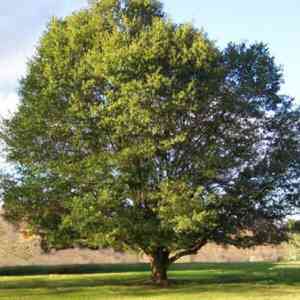
Live oak (Quercus virginiana)
Also known as: Bay live oak, Escarpment live oak
The Southern Live Oak, scientifically known as Quercus virginiana, is a large evergreen tree native to the coastal regions of southeastern North America. It features a broad, majestic crown and is frequently used as an ornamental tree, often lining avenues in the American South.
Attributes of Live oak
Images of Live oak

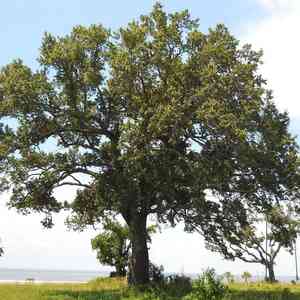
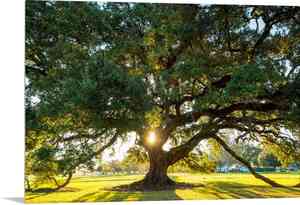
Quickly Identify Live oak
Scientific Classification of Live oak
Planting and Growing of Live oak
 How to Water Live oak?
 What Are the Sunlight Requirements for Live oak?
 What Is the Ideal Temperature Range for Live oak?
 What Soil is Best for Live oak?
 How to Fertilize Live oak?
 How to Prune Live oak?
 How to Propagate Live oak plant?
 How to Repot Live oak plant?
Toxicity of Live oak
Is Live oak toxic to humans?
The tissues of the live oak tree encompass tannins, which are present in its leaves and seeds. This characteristic imparts a significant bitterness to the plant, discouraging most animals from consuming it. Nevertheless, young children and individuals who frequently place nonfood items in their mouths must be monitored closely in proximity to this particular plant. Tannins primarily lead to gastrointestinal issues, including but not limited to constipation, diarrhea, nausea, cramping, and excessive gas. Prolonged exposure may also result in depressive symptoms and dark, copious urine. Moreover, any acorns ingested whole could lead to bowel obstructions.
Is Live oak toxic to cat?
The live oak carries a mild toxicity risk for cats, which can result in serious health concerns when ingested in significant quantities. The leaves and seeds of the plant are the main components that pose a danger. If a cat consumes these parts, it might exhibit signs of physical discomfort or illness. Should a cat show any atypical behavior or distress after exposure to live oak, it is crucial to obtain prompt veterinary assistance. Quick action is essential in addressing the consequences of live oak poisoning, thereby optimizing the chances of recovery for the impacted cat.
Is Live oak toxic to dog?
Live oak presents a moderate toxicity hazard to dogs. Poisoning usually occurs when a dog ingests considerable quantities of the plant, especially its leaves or seeds. Upon consuming these components of live oak, dogs may show symptoms including gastrointestinal distress, vomiting, or diarrhea. It is vital for dog owners to keep a close eye on their pets and deter them from consuming excessive amounts of live oak. Should a dog consume a substantial quantity of live oak and demonstrate signs of poisoning, it is imperative to obtain immediate veterinary assistance to ensure adequate treatment and recovery.



