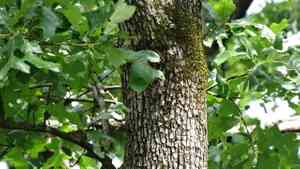
Post oak (Quercus stellata)
Also known as: Cross oak
Post Oak, known scientifically as Quercus stellata, is a slow-growing species that thrives in poor soil and dry conditions. Its wood is highly valued for its resistance to rot, decay, and fire, making it an excellent choice for fence posts. However, due to its less desirable quality, it is not commonly used in cabinetry or general lumber.
Attributes of Post oak
Images of Post oak
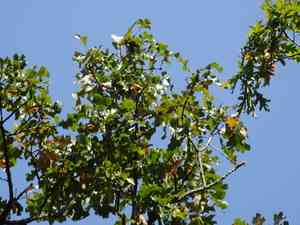
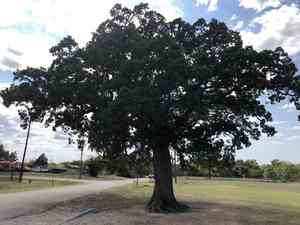
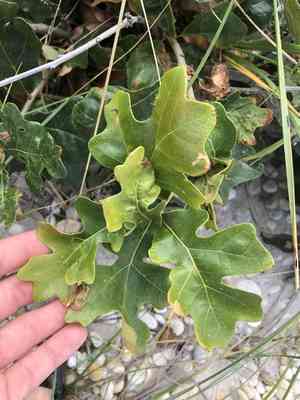
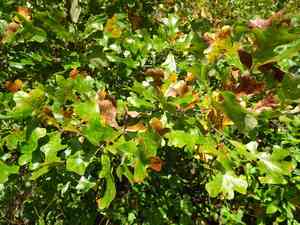
Quickly Identify Post oak
Scientific Classification of Post oak
Toxicity of Post oak
Is Post oak toxic to humans?
The tissues of the post oak tree are rich in tannins, which are present in its leaves and seeds. This characteristic imparts a significant bitterness to the plant, deterring most animals from consuming it. However, young children may inadvertently ingest various parts of the tree. The primary effects of tannins are gastrointestinal disturbances, which can manifest as constipation, diarrhea, nausea, abdominal cramping, and colic. Furthermore, individuals who are exposed over time may experience symptoms of depression and frequent elimination of dark-colored urine as the body attempts to eliminate the toxins. In addition, any acorns ingested whole can lead to bowel obstruction. Thus, it is essential to keep children away from this plant.
Is Post oak toxic to cat?
The post oak is known to have a moderate level of toxicity for cats, making it essential for pet owners to be informed about this risk. If a cat ingests any parts of the post oak, particularly the leaves or seeds, it may face the danger of poisoning. Such ingestion usually leads to various symptoms that signal physical distress or illness, warranting careful observation. Should there be any suspicion of exposure to post oak, it is crucial to promptly consult a veterinarian to effectively tackle any health issues and provide appropriate treatment for the affected cat.
Is Post oak toxic to dog?
Post oak presents a moderate toxicity risk for dogs. Exposure to certain components of the plant, notably its leaves and seeds, can lead to poisoning. Symptoms may include gastrointestinal distress, lethargy, or more serious reactions depending on the quantities consumed. Therefore, it is essential for dog owners to keep a close watch on their pets and restrict their access to post oak, particularly during seasons when fallen leaves or seeds could attract inquisitive animals. Should a dog ingest any part of the post oak, it is vital to obtain immediate veterinary assistance to secure the best outcomes for the animal.

