Shumard oak(Quercus shumardii)

Shumard oak (Quercus shumardii)

Also known as: Shumard Oak, Spotted Oak

Shumard oak wood is prized for its robustness and is commonly used in making furniture, flooring, cabinetry, and interior trim. Additionally, the tree produces acorns that are an essential food source for wildlife, including birds, white-tailed deer, and squirrels.

Attributes of Shumard oak

Lifespan
Perennial
Plant Type
Tree
Plant Height
12 m to 18 m
Spread
12 m to 15 m
Leaf Color
Green Red Gold Brown
Flower Size
2.5 cm
Flower Color
Green

PlantJoy - Identify plants with a snap

Identify and diagnose plants, get toxicity alerts, and explore safety guides for all types of fungi.

Try for Free

Images of Shumard oak

Shumard oak(Quercus shumardii)

Quickly Identify Shumard oak

1
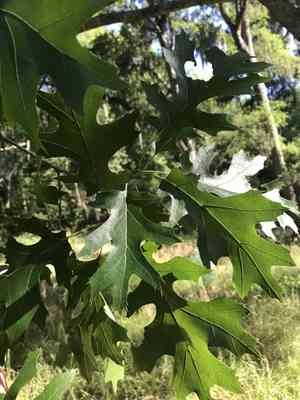
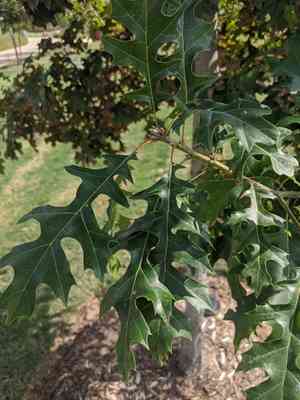
Distinctive red foliage in autumn, up to 7 inches (18 cm) long leaves with pointed lobes.
2
Male catkins form slender, drooping clusters, while female flowers are single or in clusters.
3
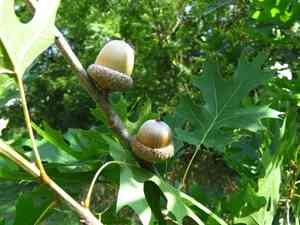
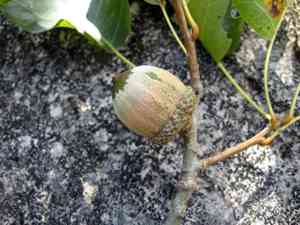
Oblong-ovoid acorns, 3/4 to 1 1/4 inches (1.9 to 3.2 cm) long with scaly caps.
4
Robust growth reaching 70 feet (21 meters) with a pyramidal to rounded silhouette.
5
Grayish-brown stem with glabrous surface and clustered, 1/4 inch (6 mm) long buds.

Scientific Classification of Shumard oak

Phylum
Vascular plants
Class
Dicotyledons
Order
Fagales
Family
Beech
Genus
Oaks
Species
Shumard oak

Planting and Growing of Shumard oak

Care Difficulty
Easy
Watering Schedule
Every 3 days
Sunlight Requirements
Full sun
Sunshine Duration
4-8 hours
Ideal Temperature
60-75℉
Soil Type
Potting Mix, Peat Mix
Soil pH
6.5-7.5
Fertilizer Type
Balanced
Pruning Season
Spring, Summer
Pruning Area
Branches, Leaves
Pruning Frequency
2 times a year
Repotting Season
Spring
Pot Type
Plastic, Ceramic

water icon How to Water Shumard oak?

When watering Quercus shumardii, ensure the soil is soaked thoroughly so that the water reaches deep roots. Typically, 500 milliliters is sufficient, but always adjust based on the soil's drainage and the plant's environment.
What are the symptoms of an underwatered Shumard oak?
What should I do if my Shumard oak is not getting enough water?
What are the symptoms of an overwatered Shumard oak?
How to save an overwatered Shumard oak?
More About Watering Techniques

sunlight icon What Are the Sunlight Requirements for Shumard oak?

Sunlight Requirements: Full sun, Partial sun
Duration of light: 4–6 hours
Quercus shumardii does best with full sun exposure, benefiting from robust health and vibrant foliage. Optimal light enhances its natural resilience.
Light Requirements for Optimal Growth
Solutions to Ensure Ideal Light
Benefits of Appropriate Lighting
More About Sunlight Requirements Techniques

temperature icon What Is the Ideal Temperature Range for Shumard oak?

Ideal Temperature: 60 ~ 75℉
The ideal temperature range for Quercus shumardii, also known as the Shumard Oak, is between 60°F to 75°F. This range provides optimal conditions for photosynthesis, nutrient uptake, and overall growth. Maintaining this temperature range helps in sustaining the physiological processes necessary for the tree's vigor and long-term health.

soil icon What Soil is Best for Shumard oak?

Soil type: Loam, Sandy loam, Clay soil
Soil PH: 6.5 ~ 7.5
Quercus shumardii thrives best in well-drained soil as it allows the roots to breathe and prevent waterlogging, which can lead to root rot. This is crucial for optimal tree health and growth. A nutrient-rich soil provides essential minerals and vitamins necessary for the strong growth of Quercus shumardii. Regularly adding organic matter or compost can greatly enhance soil fertility. While good drainage is essential, the soil should also retain sufficient moisture to avoid drought stress. A balance between drainage and moisture retention ensures the tree receives adequate water without drowning the roots. More About Soil

fertilize icon How to Fertilize Shumard oak?

Fertilizer type: Balanced
When caring for Quercus shumardii, aim to provide approximately 1 pound of nitrogen per caliper inch of trunk annually. This translates to ensuring the tree receives essential nutrients without overwhelming the soil balance. Employ a balanced formula with an NPK ratio of 10-10-10 to provide comprehensive nourishment. More About Fertilizing Techniques

prune icon How to Prune Shumard oak?

Pruning Time: Spring, Summer
Before starting to prune, it’s essential to visualize the desired shape and structure of your Shumard oak. This approach helps guide your cuts to promote the tree's optimal health and aesthetic appeal. Prune to establish a strong branch structure by removing weak or crossing branches. This ensures that the tree can withstand strong winds and supports its long-term growth and development. Prune during late winter or early spring before new growth begins. This timing minimizes stress to the tree and helps it recover quickly while benefiting from the upcoming growing season. More About Pruning Techniques

propagate icon How to Propagate Shumard oak plant?

Propagate Time: Autumn, Winter
1
Gather acorns from the ground or directly from Quercus shumardii trees in the autumn. Ensure that they are free of pests and diseases and immediately remove any that are damaged or unhealthy.
2
After collecting, soak the acorns in water for 24 hours to determine viability. Discard any that float as they are likely not viable, and keep the ones that sink for planting.
3
During the dormant winter season, select healthy scion wood and prepare the rootstock by making precise cuts with a grafting knife. Align the cambium layers of the scion and rootstock to ensure successful grafting.
More About Propagating Techniques

repot icon How to Repot Shumard oak plant?

Repotting frequency: Every 2-3 years
1
Repot Quercus shumardii when you notice signs like reduced growth, roots protruding from drainage holes, or soil compacting. Spring and autumn are the best seasons as they allow the tree to recover in favorable growing conditions.
2
Select a new pot that is slightly larger than the current one. It should have ample drainage holes to prevent waterlogging, which can damage roots. A pot with good depth is ideal for accommodating its growing root system, promoting healthy growth.
3
Opt for a well-drained loam mix that retains moisture yet allows air circulation around the roots. This ensures the oak gets the necessary nutrients without the risk of root rot. A nutrient-rich and well-draining soil mimics its natural habitat.

PlantJoy - Identify plants with a snap

Find the best spots for them to optimize their health, simply using your phone.

Try for Free

Toxicity of Shumard oak

Is Shumard oak toxic to humans?

The tissues of the shumard oak tree are rich in tannins, which can also be found in its leaves and seeds. This high tannin content renders the plant extremely bitter, generally deterring most animals from consuming it. However, young children might inadvertently ingest parts of the tree. Tannins primarily lead to gastrointestinal issues, including constipation, diarrhea, nausea, cramping, and colic. Over time, individuals exposed to these tannins may begin to exhibit depressive symptoms and experience frequent episodes of discolored urine as their bodies struggle to eliminate the toxin. Additionally, swallowing acorns whole poses a risk of choking for children or may lead to bowel obstructions.

Is Shumard oak toxic to cat?

Shumard oak presents a mild toxicity risk to felines. The consumption of its leaves and seeds in excessive quantities may result in physical discomfort or illness in these animals. Although the precise toxic compounds are not explicitly identified, vigilance is crucial for observing any symptoms of distress that might arise following the ingestion of these parts of the Shumard oak. Should a cat exhibit health issues after exposure to this plant, prompt veterinary attention is essential to safeguard their health.

Is Shumard oak toxic to dog?

The shumard oak species presents a mild toxic threat to canines. Dogs may experience poisoning if they ingest substantial quantities of its leaves or seeds. Should ingestion take place, owners should be vigilant for possible symptoms, including gastrointestinal distress such as vomiting and diarrhea. It is essential for dog owners to keep a close watch on their pets and restrict access to the harmful parts of the shumard oak. If a dog consumes a considerable amount of shumard oak, it is crucial to seek prompt veterinary assistance to safeguard the pet's health and welfare.

Identify toxic plants for your safety

Learn which plants are harmful to you and your pets, and make informed choices for a safer home!

Try for Free
WARNING
The judgment on toxicity and danger is for reference only. We DO NOT GUARANTEE any accuracy of such judgment. Therefore, you SHALL NOT rely on such judgment. It is IMPORTANT TO SEEK PROFESSIONAL ADVICE in advance when necessary.
More About Toxic Techniques