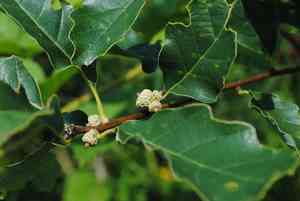
Dwarf chinquapin oak (Quercus prinoides)
Also known as: Dwarf chestnut oak
The dwarf chinkapin oak (Quercus prinoides) is a small tree indigenous to central and eastern North America. While it doesn't hold much commercial value due to its size, its acorns are edible and were historically consumed by Native Americans.
In This Article
Attributes of Dwarf chinquapin oak
Lifespan
Perennial
Plant Type
Tree, Shrub
Plant Height
3.5 m to 8 m
Spread
3.5 m to 8 m
Leaf Color
Green Yellow Gold Brown
Flower Size
2.5 cm to 6 cm
Flower Color
Yellow Green Red Burgundy Gold
Images of Dwarf chinquapin oak
Quickly Identify Dwarf chinquapin oak
1
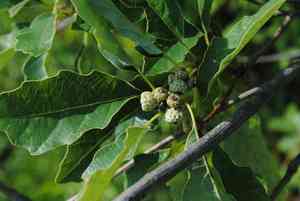
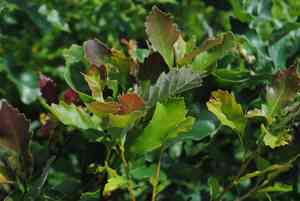
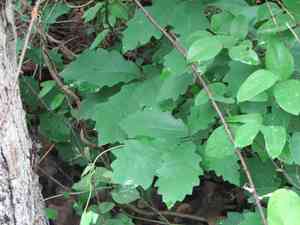
Deeply lobed green leaves, 2-5 inches (5-12.5 cm) long.
2
Male flowers in slender yellow-green catkins, 1-2.5 inches (2.5-6.4 cm) long.
3
Smooth brown acorns with tan warty caps, 1/2 to 3/4 inch (1.3 to 1.9 cm) long.
4
Bark with a rough texture and scaly pattern, gray in color.
5
Brown stem with scattered lenticels and twig pubescence.
Scientific Classification of Dwarf chinquapin oak
Phylum
Vascular plants
Class
Dicotyledons
Order
Fagales
Family
Beech
Genus
Oaks
Species
Dwarf chinquapin oak
Planting and Growing of Dwarf chinquapin oak
Care Difficulty
Easy
Watering Schedule
Every 2 days
Sunlight Requirements
Full sun
Sunshine Duration
6-12 hours
Ideal Temperature
65-75℉
Soil Type
Potting Mix, Peat Mix
Soil pH
5.5-7.5
Fertilizer Type
Balanced
Pruning Season
Spring, Summer
Pruning Area
Branches, Leaves
Pruning Frequency
2 times a year
Repotting Season
Spring
Pot Type
Plastic, Ceramic
 How to Water Dwarf chinquapin oak?
Quercus prinoides, commonly known as the dwarf chinkapin oak, requires a moderate amount of water to thrive. The soil around the tree should be kept consistently moist, but not waterlogged. Each watering session should aim to provide approximately 500 milliliters of water, ensuring that the soil is evenly saturated without excess runoff.
What are the symptoms of an underwatered Dwarf chinquapin oak?
›
What should I do if my Dwarf chinquapin oak is not getting enough water?
›
What are the symptoms of an overwatered Dwarf chinquapin oak?
›
How to save an overwatered Dwarf chinquapin oak?
›
 What Are the Sunlight Requirements for Dwarf chinquapin oak?
Providing full to partial sunlight is ideal for Quercus prinoides, encouraging strong growth habits, promoting more robust foliage, and increasing its overall resilience.
More About Sunlight Requirements Techniques→
What is the optimal light exposure for Quercus prinoides?
›
How can I achieve the ideal lighting for Quercus prinoides?
›
What benefits do ideal light conditions offer Quercus prinoides?
›
 What Is the Ideal Temperature Range for Dwarf chinquapin oak?
The ideal temperature range for the growth of Quercus prinoides is between 65°F and 75°F. This range ensures that the plant can photosynthesize efficiently without overheating or being exposed to cold stress.
 What Soil is Best for Dwarf chinquapin oak?
For optimal growth, Quercus prinoides requires well-drained soils. This prevents root rot and other issues related to excessive moisture, allowing the plant to thrive. The plant prefers soils of moderate fertility. Rich in nutrients, such soils support the robust growth of foliage and acorns, ensuring the plant's health and vitality. Consistent moisture is essential, but the soil should not be waterlogged. Maintaining a balance supports healthy root growth and aids in nutrient uptake.
 How to Fertilize Dwarf chinquapin oak?
Quercus prinoides typically benefits from moderate fertilization. For liquid fertilizers, use about 1-2 tablespoons per gallon of water. For slow-release fertilizers, 1 ounce per plant annually should suffice. Adjust amounts based on the observed health of the plant.
 How to Prune Dwarf chinquapin oak?
Start by identifying any dead, diseased, or damaged branches, as these should be the primary focus for removal. This is crucial for maintaining plant health and preventing the spread of disease. Next, look for branches that are crossing or rubbing against each other, as these can cause wounds that become entry points for pests or disease. Use clean, sharp tools to make precise cuts. For smaller branches, hand pruners or loppers work well. For larger branches, you may need a pruning saw. Cut back to a healthy bud, lateral branch, or the main trunk. Always cut just outside the branch collar without leaving a stub or cutting into it, which can prevent proper healing.
More About Pruning Techniques→
 How to Propagate Dwarf chinquapin oak plant?
1
Choose healthy seeds or fresh cuttings from a mature Quercus prinoides plant. Ensure seeds are viable, and cuttings are disease-free and taken from a non-flowering branch for optimal growth potential.
2
Prepare a well-draining mix using soil, perlite, and vermiculite. This combination ensures that the cuttings or seedlings receive adequate aeration and moisture, necessary for root development.
3
Place seeds in a seed tray or cuttings in pots filled with the prepared growth medium. Water lightly and maintain consistent moisture without waterlogging. Cover with plastic if necessary to create a humid environment.
 How to Repot Dwarf chinquapin oak plant?
1
The best signals for repotting Quercus prinoides are visible roots poking through drainage holes or soil becoming compacted. Additionally, if the plant looks oversized for its pot, it's time to consider repotting. These signs are clear indications that the current pot conditions are hindering the plant's growth, and a new pot will provide needed space and nutrients.
2
Select a pot that is 2-3 inches larger in diameter than the current one, with ample drainage holes. This size allows enough room for root growth and prevents waterlogging, crucial for healthy development. Opting for a slightly larger pot prevents overwatering, ensuring your Quercus prinoides thrives in its new environment while preventing root rot.
3
A well-draining potting mix is ideal for Quercus prinoides. The soil should be loose, aerated, and capable of retaining enough moisture without becoming soggy. This prevents root rot and provides necessary nutrients. A mix with added organic matter like compost or perlite ensures the plant receives adequate nutrition while maintaining proper hydration.
Learn More About Dwarf chinquapin oak Diseases
Anthracnose
Bacterial Leaf Spot
Black Spot
Chemical Injury
Crown Gall
Damping-off
Downy Mildew
Drought Stress
Fusarium Wilt
Gray Mold
Leaf Curl
Leaf Spot
Mosaic
Nutrient Deficiency
Nutrient Toxicity
Powdery Mildew
Root Rot
Root-knot Nematode
Rusts
Sooty Mold
Spider Mites
Temperature Stress
Thrips Damage



