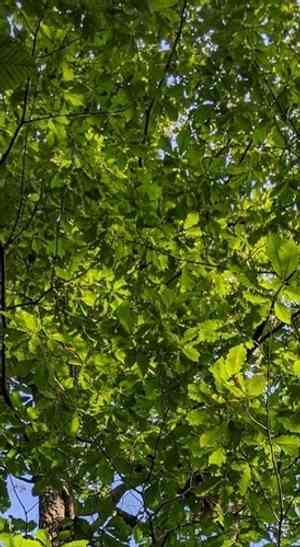
Chestnut oak (Quercus montana)
Also known as: Tanbark oak, Mountain chestnut oak
The chestnut oak was primarily valued for its bark rather than its wood before the 20th century. Its bark has a high tannin content, which made it essential for leather tanning. The wood was less frequently used because the tree often grew with multiple branches and was not always straight, making it less suitable for timber. Nowadays, chestnut oak wood is sometimes used for fence posts and firewood.
Attributes of Chestnut oak
Images of Chestnut oak
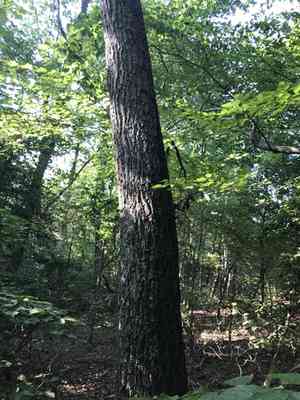
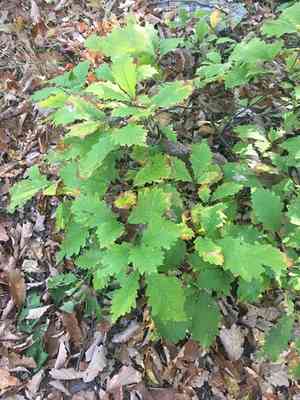
Quickly Identify Chestnut oak
Scientific Classification of Chestnut oak
Planting and Growing of Chestnut oak
 How to Water Chestnut oak?
 What Are the Sunlight Requirements for Chestnut oak?
 What Is the Ideal Temperature Range for Chestnut oak?
 What Soil is Best for Chestnut oak?
 How to Fertilize Chestnut oak?
 How to Prune Chestnut oak?
 How to Propagate Chestnut oak plant?
 How to Repot Chestnut oak plant?
Toxicity of Chestnut oak
Is Chestnut oak toxic to humans?
The tissues of the chestnut oak tree are rich in tannins, particularly concentrated in its leaves and seeds. This characteristic typically imparts a strong bitterness to these parts of the tree. However, the acorns possess a surprisingly sweet flavor, which may attract children and tempt them to consume larger quantities—this behavior can result in more severe poisoning incidents. Tannins primarily lead to gastrointestinal issues, including constipation, diarrhea, nausea, cramping, and colic. In some cases, individuals who have ingested the toxins may experience symptoms of depression along with an increased frequency of discolored urine as their bodies attempt to eliminate the harmful substances. Moreover, swallowing whole acorns poses a risk of choking or can lead to gastrointestinal blockage.
Is Chestnut oak toxic to cat?
Chestnut oak presents a low level of toxicity for cats. When felines consume substantial quantities of the plant's leaves or seeds, they may become poisoned. While the exact toxic compounds are not identified, cat owners should remain vigilant for indications of physical distress or atypical behaviors that might suggest poisoning. In the event of ingestion, it is crucial to pursue immediate veterinary assistance to safeguard the health and well-being of the pet.
Is Chestnut oak toxic to dog?
The chestnut oak, a particular tree species, is recognized for having a relatively low toxicity level regarding dogs. Canines may experience poisoning from chestnut oak primarily when they ingest substantial amounts of the plant’s leaves or seeds. As a result, pet owners must remain alert, as considerable intake could lead to various health problems for their furry friends. Signs to watch for after a dog consumes parts of chestnut oak include gastrointestinal distress, such as vomiting or diarrhea; more severe reactions may occur depending on the quantity ingested. It is vital for dog owners to keep a close eye on their pets' behavior and restrict their access to areas where chestnut oak is plentiful. If a dog is suspected of having ingested chestnut oak and displaying signs of poisoning, it is imperative to seek prompt veterinary attention to ensure effective treatment and management of the symptoms.



