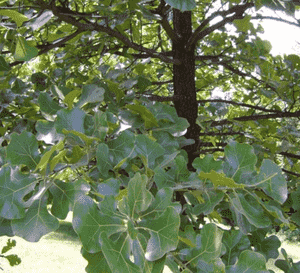
Blackjack oak(Quercus marilandica)

Blackjack oak (Quercus marilandica)

Also known as: Barren oak, Western blackjack oak

Blackjack oak is a small deciduous tree that can reach heights of up to 15 meters. Its wood is highly valued for its intense heat, making it ideal for cooking, especially in barbecues, and for use in wood stoves. However, caution is advised as the wood tends to pop when burning, which can pose a hazard in open fireplaces.

Attributes of Blackjack oak

Lifespan
Perennial
Plant Type
Tree
Plant Height
15 m
Spread
11 m to 15 m
Leaf Color
Green Brown Yellow
Flower Size
5 cm to 10 cm
Flower Color
Yellow Green Gold

PlantJoy - Identify plants with a snap

Identify and diagnose plants, get toxicity alerts, and explore safety guides for all types of fungi.

Try for Free

Images of Blackjack oak

Blackjack oak(Quercus marilandica)

Quickly Identify Blackjack oak

1
Distinctive wedge-shaped leaves with hairy texture, showing red, yellow, or brown fall colors.
2
Stout dark brown stems with sharp, fuzzy reddish-brown buds, easily identified by texture.
3
Rugged bark with dark rectangular plates and deep fissures, aging to a pronounced rough texture.
4
Male flowers form yellow-green catkins up to 4 inches (10 cm) long, arranged conspicuously.
5
Light brown acorns up to 1 inch (2.54 cm) with distinctive striated texture, capped with hairy scales.

Scientific Classification of Blackjack oak

Phylum
Vascular plants
Class
Dicotyledons
Order
Fagales
Family
Beech
Genus
Oaks
Species
Blackjack oak

Planting and Growing of Blackjack oak

Care Difficulty
Easy
Watering Schedule
Every 2 days
Sunlight Requirements
Full sun
Sunshine Duration
4-8 hours
Ideal Temperature
68-77℉
Soil Type
Potting Mix, Peat Mix
Soil pH
4.5-6.5
Fertilizer Type
Balanced
Pruning Season
Spring, Summer
Pruning Area
Branches, Leaves
Pruning Frequency
2 times a year
Repotting Season
Spring
Pot Type
Plastic, Ceramic

water icon How to Water Blackjack oak?

The amount of water for Quercus marilandica, also known as the Blackjack Oak, should be enough to moisten the soil thoroughly without making it soggy. Typically, 500 milliliters per session is ideal, allowing the soil to dry out slightly between waterings. This ensures the roots have access to moisture without being waterlogged, mimicking the plant's native environment that experiences periodic rainfall.
What are the symptoms of an underwatered Blackjack oak?
What should I do if my Blackjack oak is not getting enough water?
What are the symptoms of an overwatered Blackjack oak?
How to save an overwatered Blackjack oak?

sunlight icon What Are the Sunlight Requirements for Blackjack oak?

Sunlight Requirements: Full sun, Partial sun
Duration of light: 6 to 8 hours
The ideal light range for Quercus marilandica is full sun with occasional partial shade. Adequate light exposure supports its natural vigor, encouraging strong growth and resilience.
How much sunlight does Quercus marilandica need?
What are the solutions to achieve ideal lighting for Quercus marilandica?
What benefits does ideal lighting offer to Quercus marilandica?
More About Sunlight Requirements Techniques

temperature icon What Is the Ideal Temperature Range for Blackjack oak?

Ideal Temperature: 68 ~ 77℉
The ideal temperature range is crucial for Quercus marilandica as it ensures the optimal physiological functioning and growth of the plant. Temperatures between 68°F and 77°F allow the plant to photosynthesize efficiently, absorb nutrients effectively, and maintain overall health. Staying within this range can prevent stress and ensure robust development.

soil icon What Soil is Best for Blackjack oak?

Soil type: Sandy soil, Loam, Clay soil, Acidic soil
Soil PH: 4.5 ~ 6.5
Quercus marilandica thrives in well-drained soils, which help prevent root rot by ensuring excess water doesn't accumulate around the roots. This facilitates healthy root development and helps the tree to establish more robust growth. Ensuring the soil is enriched with organic matter can support better growth for Quercus marilandica. Organic matter provides essential nutrients that are slowly released over time, supporting sustained growth and vitality. While well-drained, the soil should also retain some moisture to support the tree during dry periods. This balance helps the tree maintain hydration without the risk of waterlogging, promoting steady growth. More About Soil

fertilize icon How to Fertilize Blackjack oak?

Fertilizer type: Balanced
For Quercus marilandica, it is crucial to provide the right balance of nutrients without overdoing it. Generally, use a balanced fertilizer with equal parts N-P-K, applying approximately one pound per inch of trunk diameter for young trees. For liquid fertilizers, a dilute solution will ensure sensitive roots do not get burnt. More About Fertilizing Techniques

prune icon How to Prune Blackjack oak?

Pruning Time: Spring, Autumn
Start by examining the overall structure of the Blackjack Oak. Identify any dead or diseased branches, which should be your first target. Use sharp, clean pruning shears to make cuts at the branch collar to avoid damaging the tree. Focus on opening up the canopy by removing crossing branches, which will improve air circulation and light penetration. Do not remove more than 25% of the foliage at one time to prevent stress. Prune to shape the tree ideally in late winter or early spring before new growth begins. More About Pruning Techniques

propagate icon How to Propagate Blackjack oak plant?

Propagate Time: Spring,Early spring
1
Collect mature acorns from Quercus marilandica in the autumn. Remove the outer husk, and soak them in water to determine viability; viable seeds will sink.
2
Stratify seeds by placing them in a moist, cold environment for 30-60 days. This process mimics natural winter conditions, breaking dormancy and promoting germination.
3
Sow stratified seeds in seed trays filled with fertile, well-draining soil. Cover lightly with soil and keep consistently moist until germination occurs.
More About Propagating Techniques

repot icon How to Repot Blackjack oak plant?

Repotting frequency: Every 2-3 years
1
Quercus marilandica, or the Black Jack Oak, shows it needs repotting when roots start protruding from the drainage holes or when the plant shows signs of being root-bound. Spring and summer are ideal times to repot, offering a growing environment where the oak can quickly adapt.
2
Select a pot that is slightly larger than the current one, with adequate drainage holes. A slightly heavier pot can also provide better stability for this robust tree, minimizing the risk of tipping over with its significant biomass.
3
Opt for well-draining, sandy loam soil, as it mimics the oak's natural habitat. Such soil not only ensures that excess water flows away smoothly, preventing root rot, but also provides essential nutrients for growth.

PlantJoy - Identify plants with a snap

Find the best spots for them to optimize their health, simply using your phone.

Try for Free

Toxicity of Blackjack oak

Is Blackjack oak toxic to humans?

The Blackjack oak can pose a potential risk to humans when ingested, similar to other species within the *Quercus* genus. The associated symptoms are typically mild in nature. The presence of tannins in the young leaves and acorns raises concern, contributing to the classification of this plant as toxic. Consumption of these parts may result in symptoms such as stomach pain, constipation, diarrhea, bloody stools, increased thirst, and excessive urination. Children are particularly susceptible to the toxic effects of these plant parts, especially since these trees are commonly found in parks and yards where young kids might innocently consume fallen leaves or acorns.

Is Blackjack oak toxic to cat?

The blackjack oak exhibits a moderate degree of toxicity to cats. Felines can become poisoned by consuming significant quantities of the plant's leaves or seeds. Following ingestion, cats might display signs of physical discomfort or illness, although the specific toxic compounds have not been identified. It is crucial to seek immediate veterinary assistance if a cat shows any signs of distress after consuming blackjack oak. Timely intervention is vital in reducing the impact of toxic exposure and safeguarding the health of the impacted feline.

Is Blackjack oak toxic to dog?

The plant species known as blackjack oak has been identified to possess a mild toxicity level that poses a potential risk to dogs. Canines may face adverse effects if they ingest this plant in significant quantities, especially the leaves and seeds, which are specifically recognized as the toxic components of blackjack oak. Therefore, dog owners must remain observant, as consuming these parts can result in poisoning. Symptoms that may develop after a dog consumes blackjack oak include gastrointestinal disturbances, evident through vomiting or diarrhea, along with lethargy or other subtle indications of illness. It is vital for pet owners to keep a close watch on their dogs' behavior and restrict their access to blackjack oak, particularly during outdoor excursions where the plant may be found. Should a dog inadvertently consume blackjack oak, seeking immediate veterinary assistance is essential to guarantee appropriate care and treatment.

Identify toxic plants for your safety

Learn which plants are harmful to you and your pets, and make informed choices for a safer home!

Try for Free
WARNING
The judgment on toxicity and danger is for reference only. We DO NOT GUARANTEE any accuracy of such judgment. Therefore, you SHALL NOT rely on such judgment. It is IMPORTANT TO SEEK PROFESSIONAL ADVICE in advance when necessary.
More About Toxic Techniques

