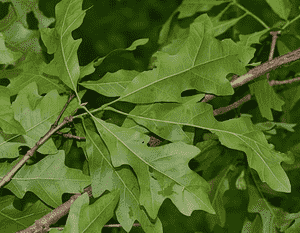
Overcup oak (Quercus lyrata)
Also known as: Swamp post oak
The overcup oak tree is named for its unique acorn, where the cap encases nearly the entire nut, resembling an overflowing cup. This tree is also appreciated in urban landscaping for its slow growth, vibrant green leaves in summer, and yellow-brown foliage in fall.
Attributes of Overcup oak
Images of Overcup oak
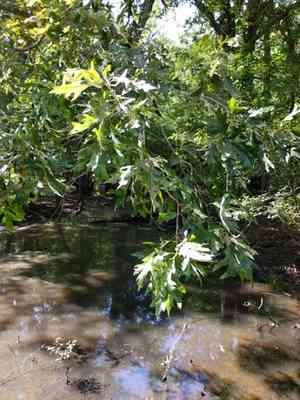
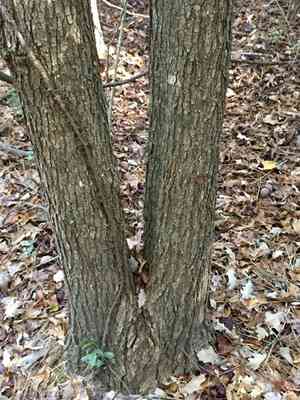

Quickly Identify Overcup oak
Scientific Classification of Overcup oak
Planting and Growing of Overcup oak
 How to Water Overcup oak?
 What Are the Sunlight Requirements for Overcup oak?
 What Is the Ideal Temperature Range for Overcup oak?
 What Soil is Best for Overcup oak?
 How to Fertilize Overcup oak?
 How to Prune Overcup oak?
 How to Propagate Overcup oak plant?
 How to Repot Overcup oak plant?
Toxicity of Overcup oak
Is Overcup oak toxic to humans?
The tissues of the overcup oak tree are rich in tannins, particularly in its tender young leaves and seeds. Interestingly, it has a lower tannin content compared to most other oak species. Unfortunately, this characteristic makes its acorns and young leaves more palatable, thereby increasing the risk of poisoning. Young children and individuals with cognitive impairments may inadvertently consume parts of this tree. The primary effects of tannins are digestive disturbances, including constipation, diarrhea, nausea, cramping, and excessive gas. Over time, those exposed to these compounds may experience depressive symptoms and a frequent urge to urinate dark-colored urine. Additionally, any acorns that are swallowed whole could potentially lead to bowel obstruction.
Is Overcup oak toxic to cat?
Overcup oak exhibits a moderate toxicity to felines. Cats can become poisoned by overcup oak when they consume its leaves or seeds in large quantities. Following ingestion, cats may show symptoms of physical distress or illness. While the exact toxic compounds remain unidentified, it is vital to keep an eye on cats for any negative reactions. If you suspect that a cat has ingested any parts of overcup oak, it is essential to quickly seek treatment at a veterinary clinic to safeguard their health and wellbeing.
Is Overcup oak toxic to dog?
The overcup oak, a particular species of plant, is recognized for possessing a mild toxicity level to canines. Dogs are at risk of poisoning if they ingest excessive quantities of its leaves or seeds. Therefore, dog owners must remain attentive, as significant ingestion can result in negative health impacts. Signs that may occur after a canine consumes portions of the overcup oak include gastrointestinal distress such as vomiting and diarrhea, lethargy, or potentially more severe reactions based on the quantity ingested. It is essential for pet owners to observe their dogs’ behaviors and restrict their access to the plant’s parts. Should a dog consume overcup oak, it is vital to seek immediate veterinary assistance to address any possible poisoning.



