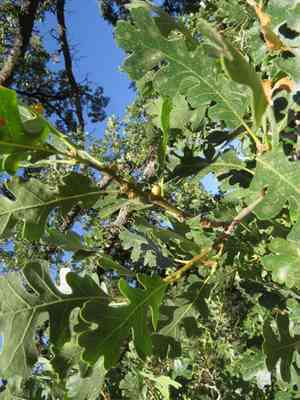
Valley oak (Quercus lobata)
Also known as: California white oak
The California black oak (Quercus kelloggii) is native to the valleys and foothills of California. Its wood is occasionally used for making cabinets and wine barrels. The tree's acorns were an important food source for indigenous peoples in North America.
Attributes of Valley oak
Images of Valley oak
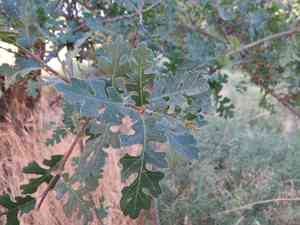
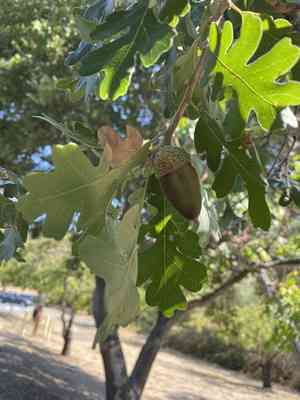
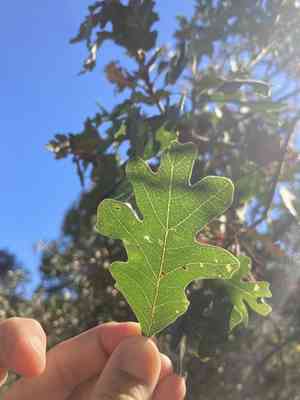
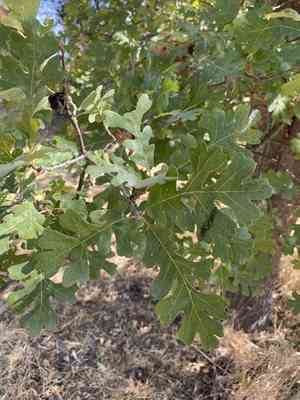
Quickly Identify Valley oak
Scientific Classification of Valley oak
Planting and Growing of Valley oak
 How to Water Valley oak?
 What Are the Sunlight Requirements for Valley oak?
 What Is the Ideal Temperature Range for Valley oak?
 What Soil is Best for Valley oak?
 How to Fertilize Valley oak?
 How to Prune Valley oak?
 How to Propagate Valley oak plant?
 How to Repot Valley oak plant?
Toxicity of Valley oak
Is Valley oak toxic to humans?
The tissues of the valley oak tree are rich in tannins, particularly found in its leaves and acorns. This high tannin content imparts a strong bitterness to the plant, discouraging most animals from consuming it. However, young children may inadvertently ingest parts of the tree. The primary effects of tannins include various gastrointestinal issues, such as constipation, diarrhea, nausea, cramping, and colic. Prolonged exposure can lead to depressive symptoms and the frequent excretion of discolored urine as the body attempts to eliminate the toxin. Moreover, any acorns that are swallowed whole pose a risk of bowel obstruction.
Is Valley oak toxic to cat?
The valley oak is known to possess a mild toxicity level for cats. The leaves and seeds of this tree are the toxic components that can cause poisoning if ingested in significant quantities. When cats come into contact with valley oak, they may exhibit signs of physical discomfort or sickness, necessitating urgent medical care. It is essential for cat owners to remain observant of their pets and to obtain immediate veterinary treatment should they suspect that their cat has consumed any parts of the valley oak.
Is Valley oak toxic to dog?
The valley oak plant species is recognized for possessing a mild degree of toxicity to dogs. If large quantities of its leaves or seeds are consumed, dogs can suffer from poisoning due to this plant. Ingestion of valley oak parts may lead a dog to show symptoms such as gastrointestinal distress, vomiting, or diarrhea. These symptoms are clear indicators of poisoning and warrant serious attention. Dog owners must watch over their pets and prevent them from consuming significant amounts of valley oak. Should a dog ingest any part of the valley oak and demonstrate signs of poisoning, it is vital to seek immediate veterinary assistance to ensure the animal receives optimal care for its health.



