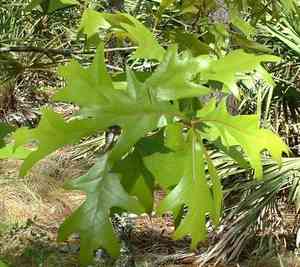
Turkey oak (Quercus laevis)
Also known as: Catesby Oak, Turkey-Foot Oak, Turkey foot oak
The Turkey oak (Quercus laevis) is a deciduous tree native to the southeastern United States, typically reaching heights of 9 to 12 meters and spreading 3 to 4.5 meters wide. This tree provides a vital habitat for a variety of birds and squirrels, and its acorns are an important food source for wildlife such as woodpeckers, deer, and wild turkeys. Additionally, its strong root system offers significant resistance to hurricane-force winds, adding to its ecological value.
Attributes of Turkey oak
Images of Turkey oak
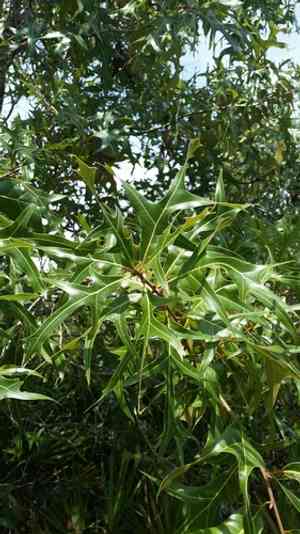
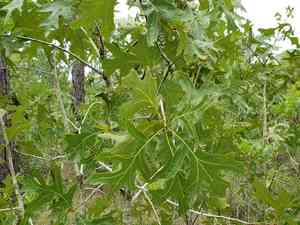
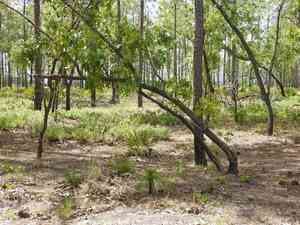
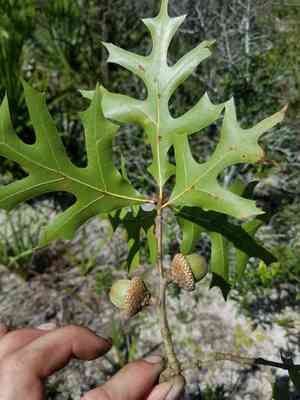
Quickly Identify Turkey oak
Scientific Classification of Turkey oak
Planting and Growing of Turkey oak
 How to Water Turkey oak?
 What Are the Sunlight Requirements for Turkey oak?
 What Is the Ideal Temperature Range for Turkey oak?
 What Soil is Best for Turkey oak?
 How to Fertilize Turkey oak?
 How to Prune Turkey oak?
 How to Propagate Turkey oak plant?
 How to Repot Turkey oak plant?
Toxicity of Turkey oak
Is Turkey oak toxic to humans?
The Turkey oak is considered toxic when consumed. Its poisonous rating is relatively low in severity. Both the fruits (acorns) and the foliage of this tree are toxic. There are no warnings regarding direct skin contact with the plant. Symptoms resulting from ingestion can include abdominal discomfort, constipation that may progress to diarrhea, feelings of depression, increased urination, altered urine color, or jaundice. This tree is often located in outdoor spaces such as roadsides and parks, posing a potential hazard to both children and adults who might ingest the acorns.



