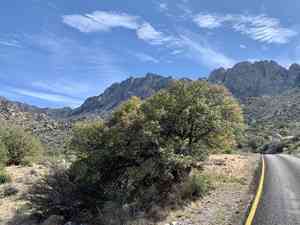
Gray oak (Quercus grisea)
Also known as: Gray Oak, Shin Oak
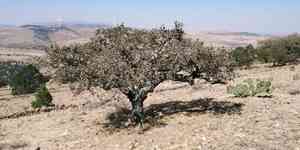
The gray oak (Quercus grisea) is a resilient deciduous tree, notable for its contorted branches and rugged trunk. Its leaves display a distinctive grayish-green color, which gives the tree its name. It is well-suited to dry environments, with a deep root system that allows it to tap into limited water resources. The tree produces small acorns that are an essential food source for various wildlife species, highlighting its ecological importance in its native range. Additionally, the gray oak helps in soil stabilization and supports a diverse array of animals and plants, making it a key component of the ecosystems where it thrives.
In This Article
Attributes of Gray oak
Lifespan
Perennial
Plant Type
Tree
Plant Height
11 m to 22 m
Spread
5–10 meters
Leaf Color
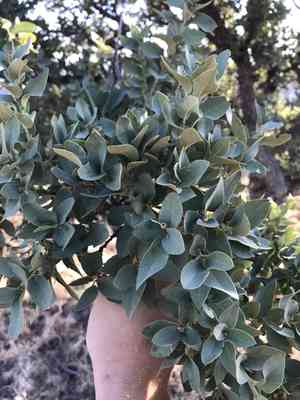
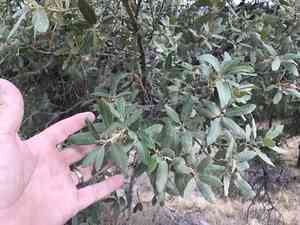
Gray-green
Flower Size
Small and inconspicuous, less than 1 cm
Flower Color
Yellowish-green
Images of Gray oak
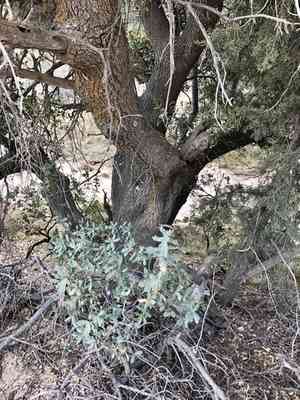
Quickly Identify Gray oak
1
To identify Quercus grisea, look for its gray-green, leathery leaves that are typically 2–5 cm long. The bark is light gray and flaky. The acorns are small, typically about 1.5 cm long, and mature in one season.
Scientific Classification of Gray oak
Phylum
Vascular plants
Class
Dicotyledons
Order
Fagales
Family
Beech
Genus
Oaks
Species
Gray oak
Planting and Growing of Gray oak
Care Difficulty
Easy
Watering Schedule
Every 3 days
Sunlight Requirements
Full sun
Sunshine Duration
6-10 hours
Ideal Temperature
65-75℉
Soil Type
Potting Mix, Peat Mix
Soil pH
6.5-7.5
Fertilizer Type
Balanced
Pruning Season
Spring, Summer
Pruning Area
Branches, Leaves
Pruning Frequency
2 times a year
Repotting Season
Spring
Pot Type
Plastic, Ceramic
 How to Water Gray oak?
When watering Quercus grisea, aim to soak the soil thoroughly until water drains out of the bottom of the pot. This ensures the roots receive a good drink, encouraging deeper root growth. Watering should mimic a strong rain, with approximately 1000 ml being a suitable quantity.
What are the symptoms of an underwatered Gray oak?
›
What should I do if my Gray oak is not getting enough water?
›
What are the symptoms of an overwatered Gray oak?
›
How to save an overwatered Gray oak?
›
 What Are the Sunlight Requirements for Gray oak?
Quercus grisea thrives in partial to full sunlight, benefiting from at least 6 hours of exposure. This light range supports optimal photosynthesis, contributing to healthy growth and vibrant foliage.
What is the ideal lighting setup for Quercus grisea?
›
How can we ensure optimal light conditions?
›
What are the benefits of ideal lighting?
›
 What Is the Ideal Temperature Range for Gray oak?
Quercus grisea thrives best within a temperature range from 65°F to 75°F. This range supports most physiological activities, such as photosynthesis and nutrient absorption, necessary for healthy growth and development.
 What Soil is Best for Gray oak?
Quercus grisea thrives in well-drained soils where water movement is efficient. This prevents root rot, promoting a healthy root system and vigorous growth. The plant prefers soils with moderate nutrient levels, which help in maintaining balanced growth and prevent excessive vegetative expansion that might lead to structural weaknesses. A soil pH between 6.5 and 7.5 is ideal as it facilitates nutrient availability, ensuring that essential elements are up-taken effectively by the tree.
 How to Fertilize Gray oak?
For Quercus grisea, apply liquid fertilizer at half the recommended strength to avoid over-fertilizing. Use approximately 1 teaspoon per gallon of water to ensure a balanced nutrient supply. When using slow-release pellets, apply about 1 to 2 tablespoons per square foot in the root zone to support healthy growth throughout the growing season.
 How to Prune Gray oak?
Quercus grisea, also known as the gray oak, requires pruning to maintain its rounded shape and to remove any dead or diseased branches. Start by assessing the overall health and shape of the tree. Begin pruning by removing any dead, damaged, or diseased branches. Make clean cuts close to the branch collar and avoid tearing the bark. This helps prevent infections and encourages healing. After clearing out dead wood, focus on shaping the tree by cutting back branches that grow inward or cross each other. This opens up the canopy to sunlight and air, fostering new growth.
More About Pruning Techniques→
 How to Propagate Gray oak plant?
1
Collect seeds from mature Quercus grisea acorns in the autumn when they naturally fall to the ground. Ensure the seeds are free of damage and disease.
2
Select healthy branches and make a clean cut with pruning shears. The cuttings should be approximately 6-8 inches long, with at least two leaf nodes.
3
Prepare a well-draining soil mix by combining equal parts of sand, peat, and perlite. This mixture provides optimal conditions for seedling and cutting growth.
 How to Repot Gray oak plant?
1
Look for signs like slow growth, roots coming out of drainage holes, or soil hardening. These are indicators that Quercus grisea needs more space or fresh soil to thrive.
2
Select a pot that is 1-2 inches larger in diameter than the current one. It ensures ample room for root expansion while maintaining soil structure, preventing water-logging.
3
Opt for well-draining loam or sandy soil. This mimics the tree's natural habitat, encouraging healthy root growth and preventing rot by ensuring the roots do not sit in water.
Toxicity
Ingestion
WARNING
The judgment on toxicity and danger is for reference only. We DO NOT GUARANTEE any accuracy of such judgment. Therefore, you SHALL NOT rely on such judgment. It is IMPORTANT TO SEEK PROFESSIONAL ADVICE in advance when necessary.



