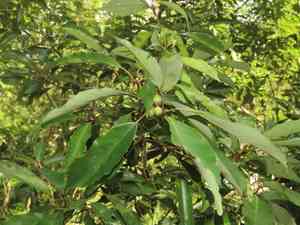
Ring-cupped oak (Quercus glauca)
Also known as: Ring-cupped Oak, Blue Japanese Oak
The ring-cupped oak (Quercus glauca) is an evergreen tree that typically reaches heights of 14 to 18 meters (46 to 59 feet). When new leaves emerge, they display a unique purple hue that transitions to green as they age. The tree flowers in the spring with brownish catkin blooms and produces acorns in the summer and fall, which serve as a food source for various small animals. It grows well in conditions ranging from full sun to partial shade.
Attributes of Ring-cupped oak
Images of Ring-cupped oak
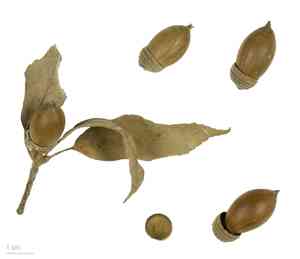
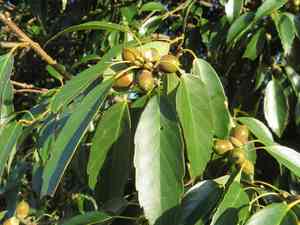
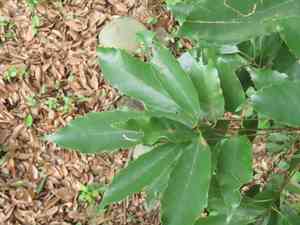
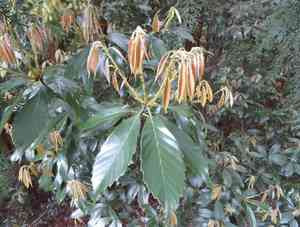
Quickly Identify Ring-cupped oak
Scientific Classification of Ring-cupped oak
Planting and Growing of Ring-cupped oak
 How to Water Ring-cupped oak?
 What Are the Sunlight Requirements for Ring-cupped oak?
 What Is the Ideal Temperature Range for Ring-cupped oak?
 What Soil is Best for Ring-cupped oak?
 How to Fertilize Ring-cupped oak?
 How to Prune Ring-cupped oak?
 How to Propagate Ring-cupped oak plant?
 How to Repot Ring-cupped oak plant?
Toxicity of Ring-cupped oak
Is Ring-cupped oak toxic to humans?
The ring-cupped oak displays a subtle level of toxicity in humans, as every part of the plant contains compounds that may induce adverse reactions if ingested. The primary toxin in the ring-cupped oak is linked to tannins, which upon consumption, can trigger a variety of symptoms. Those who inadvertently consume parts of the ring-cupped oak may suffer from gastrointestinal disturbances, which may include nausea, vomiting, and diarrhea. In certain instances, more intense symptoms such as abdominal pain and headaches might arise. It is crucial for individuals to exercise caution and refrain from consuming any part of the ring-cupped oak to avoid the onset of these distressing symptoms.
Is Ring-cupped oak toxic to cat?
The ring-cupped oak is regarded as having mild toxicity for cats. If cats accidentally consume any parts of the ring-cupped oak, they may face the risk of poisoning. This plant, including its leaves, stems, and acorns, contains tannins, which are the harmful compounds responsible for causing negative effects. Signs of poisoning may include gastrointestinal disturbances, potentially appearing as vomiting or diarrhea, as well as other indicators of physical discomfort. Cat owners must remain watchful and discourage their pets from nibbling on the ring-cupped oak. In case of poisoning, it is essential to seek immediate professional assistance at a veterinary clinic.
Is Ring-cupped oak toxic to dog?
The ring-cupped oak, a particular species of plant, is recognized for its mild toxicity to dogs. Any part of this plant can be harmful if ingested by dogs, as the entire organism contains toxic components. Even small quantities can lead to symptoms in dogs, including gastrointestinal distress, vomiting, or diarrhea. The toxic effects are largely attributed to the presence of tannins within the ring-cupped oak, which can trigger these adverse reactions when consumed. It is essential for dog owners to vigilantly supervise their pets and restrict their access to ring-cupped oak, particularly for dogs that have a propensity to nibble on plants. Should a dog ingest any part of the ring-cupped oak, it is vital to seek prompt veterinary assistance to facilitate appropriate treatment and address any risks associated with poisoning.



