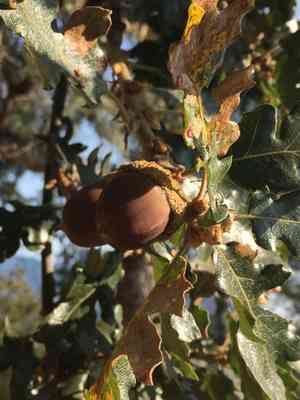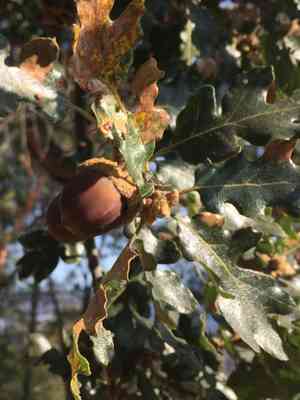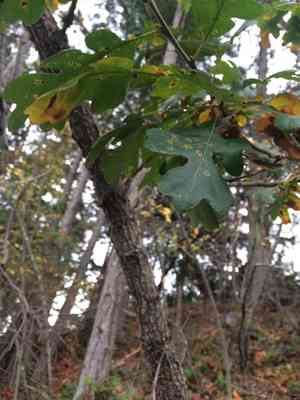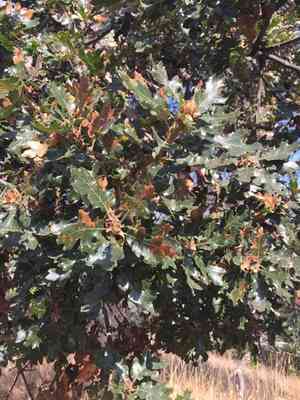
Oregon white oak(Quercus garryana)

Oregon white oak (Quercus garryana)

Also known as: Garry oak

Oregon white oak (Quercus garryana) is a tree species native to the Pacific Northwest, extending from California to Canada. Its wood is highly valued for its strength and aesthetics, making it ideal for crafting furniture, flooring, and cabinetry. Additionally, it is used in the production of wine barrels, providing a unique flavor to aged wines. The wood is also popular as firewood due to its high energy content.

Attributes of Oregon white oak

Lifespan
Perennial
Plant Type
Tree
Plant Height
10 m
Spread
10 m
Leaf Color
Green Blue Yellow Brown
Flower Size
N/A (male flowers are catkins, female flowers are small and inconspicuous)
Flower Color
Yellow Green Red Orange

ForwardPlant - Identify plants with a snap

Identify and diagnose plants, get toxicity alerts, and explore safety guides for all types of fungi.

Try for Free

Images of Oregon white oak

Oregon white oak(Quercus garryana)

Quickly Identify Oregon white oak

1
Look for the distinct lobed leaves and rugged bark. The leaves are dark green on top and paler underneath. Acorns are also a key identifying feature.

Scientific Classification of Oregon white oak

Phylum
Vascular plants
Class
Dicotyledons
Order
Fagales
Family
Beech
Genus
Oaks
Species
Oregon white oak

Planting and Growing of Oregon white oak

Care Difficulty
Easy
Watering Schedule
Every day
Sunlight Requirements
Full sun
Sunshine Duration
4-6 hours
Ideal Temperature
55-75℉
Soil Type
Potting Mix, Peat Mix
Soil pH
6.5-7.5
Fertilizer Type
Balanced
Pruning Season
Spring, Summer
Pruning Area
Branches, Leaves
Pruning Frequency
2 times a year
Repotting Season
Spring
Pot Type
Plastic, Ceramic

water icon How to Water Oregon white oak?

Quercus garryana, or Oregon White Oak, requires a careful balance of water. Aim for about 500 ml each time, ensuring the soil is moist but not waterlogged. It thrives best when the top couple of inches of soil are allowed to dry out before rewatering. Don't aim for a soaking drench; rather, a steady, considerate pour around the base to maintain mild humidity in its root zone is ideal.
What are the symptoms of an underwatered Oregon white oak?
What should I do if my Oregon white oak is not getting enough water?
What are the symptoms of an overwatered Oregon white oak?
How to save an overwatered Oregon white oak?

sunlight icon What Are the Sunlight Requirements for Oregon white oak?

Sunlight Requirements: Full sun, Partial sun
Duration of light: 4-6 hours sun
Quercus garryana prefers full sun to partial sun, benefiting from exposure to at least 4-6 hours of sunlight daily. Proper light ensures robust growth, vibrant foliage, and improved resistance to environmental stressors.
How much sunlight does Quercus garryana require?
What solutions can ensure ideal light conditions?
How does ideal lighting benefit Quercus garryana?
More About Sunlight Requirements Techniques

temperature icon What Is the Ideal Temperature Range for Oregon white oak?

Ideal Temperature: 55 ~ 75℉
The ideal temperature range for Quercus garryana, commonly known as the Oregon white oak, is between 55°F and 75°F. This range supports optimal growth and metabolic processes. Proper temperature ensures active photosynthesis and nutrient uptake, translating into healthy foliage and structural development. Consistently maintaining this range is crucial to minimize stress and promote sustained vitality.

soil icon What Soil is Best for Oregon white oak?

Soil type: Loam, Sandy loam
Soil PH: 6.5 ~ 7.5
Quercus garryana thrives in well-drained soil that allows roots to breathe and prevents waterlogging. This is crucial as it reduces the risk of root rot, promoting strong and healthy growth. The tree prefers soils with moderate nutrient content that supports its growth without overwhelming the root system. A balanced nutrient profile ensures optimal development of foliage and acorns. Ensuring the soil is properly aerated aids in root expansion and nutrient uptake. Aeration helps in mitigating compacted soil, thus facilitating robust establishment and stress resistance.

fertilize icon How to Fertilize Oregon white oak?

Fertilizer type: Balanced
When fertilizing Quercus garryana, it's crucial to be moderate. For liquid fertilizers, use a diluted solution with a concentration of about one-quarter of the recommended dose. For solid fertilizers, apply about two to four ounces per diameter inch of the tree trunk. This moderation ensures that the oak receives the nutrition it needs without the risk of causing damage due to over-fertilization.

prune icon How to Prune Oregon white oak?

Pruning Time: Spring, Summer
Start by removing any dead or diseased branches to improve the tree's health and allow more light into the canopy. Make cuts at the branch collar for proper healing. Selectively thin the canopy to increase airflow and sunlight penetration. Avoid over-thinning, which can stress the tree. Aim to remove about 10-15% of live branches. Shape the tree to maintain a strong and balanced structure. Remove crossing branches and those growing at weak angles. This encourages a more robust framework. More About Pruning Techniques

propagate icon How to Propagate Oregon white oak plant?

Propagate Time: Early spring, Late autumn
1
Collect mature acorns from the ground in early autumn. Ensure that they are free of any visible damage, indicating a healthy seed ready for propagation.
2
Acorns should be soaked in water for 24 hours, discarding those that float. Stratify the viable acorns by placing them in a damp medium in the refrigerator for several weeks to simulate winter conditions.
3
Plant the stratified acorns in the seed starting trays filled with sterile potting mix. They should be placed at a depth twice their size, ensuring the soil remains moist but not waterlogged.
More About Propagating Techniques

repot icon How to Repot Oregon white oak plant?

Repotting frequency: Every 2-3 years
1
You will know it's time to repot Quercus garryana when you observe roots emerging from the drainage holes or notice that growth has significantly slowed. Spring and autumn are ideal as the plant experiences less stress compared to summer or winter periods.
2
Select a pot that is one size larger and has ample drainage holes to prevent waterlogging. A slightly larger pot encourages healthy root growth without causing water to sit at the bottom, reducing the risk of root rot.
3
Opt for well-draining sandy loam soil to ensure adequate aeration and water drainage. This type of soil mimics the tree's natural habitat, allowing for optimal nutrient absorption while protecting against overwatering.

ForwardPlant - Identify plants with a snap

Find the best spots for them to optimize their health, simply using your phone.

Try for Free

Toxicity of Oregon white oak

Is Oregon white oak toxic to humans?

The Oregon white oak is likely to exhibit toxic characteristics as it belongs to the *Quercus* (oak) genus. Consumption of certain parts of this plant can lead to mild to moderate adverse effects. The young leaves and acorns are particularly hazardous, as they contain tannins, which are toxic compounds. Ingesting these parts can result in symptoms such as stomach upset, constipation, bloody stool, diarrhea, excessive thirst, and frequent urination. In severe cases, renal complications may arise. This species is commonly found in parks and gardens, making it accessible for children who may easily gather and consume its toxic components.

Is Oregon white oak toxic to cat?

The Oregon white oak exhibits a mild level of toxicity toward cats, especially when they consume significant quantities of its leaves or seeds. Cats that are affected might show symptoms of physical discomfort or illness. It is vital to seek immediate veterinary assistance for any cat that is believed to have ingested portions of the Oregon white oak, as prompt treatment is essential to avert complications.

Is Oregon white oak toxic to dog?

Oregon white oak presents a mild toxicity concern for dogs. Canines can experience poisoning if they consume excessive amounts of the plant's leaves or seeds. If ingested, possible symptoms of toxicity may include gastrointestinal disturbances, such as vomiting or diarrhea, and in more severe instances, additional signs may arise depending on the amount consumed. It is vital for dog owners to keep a close watch on their pets and discourage them from eating large quantities of Oregon white oak. Should a dog ingest a considerable amount of Oregon white oak, it is imperative to seek immediate veterinary assistance to ensure proper treatment and management of any symptoms.

Identify toxic plants for your safety

Learn which plants are harmful to you and your pets, and make informed choices for a safer home!

Try for Free
WARNING
The judgment on toxicity and danger is for reference only. We DO NOT GUARANTEE any accuracy of such judgment. Therefore, you SHALL NOT rely on such judgment. It is IMPORTANT TO SEEK PROFESSIONAL ADVICE in advance when necessary.
More About Toxic Techniques