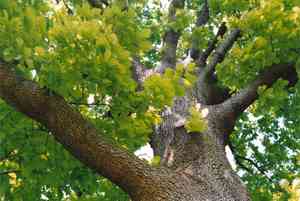
Hungarian oak (Quercus frainetto)
Also known as: Macedonian oak
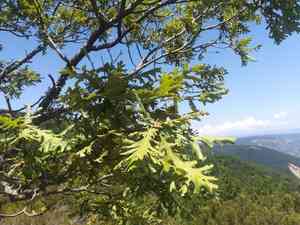
Quercus frainetto, also known as the Hungarian oak or Italian oak, is a species of oak native to southeastern Europe. Its range includes parts of Italy, the Balkans, Hungary, Romania, and Turkey. This species belongs to the Quercus sect. Mesobalanus.
In This Article
Attributes of Hungarian oak
Lifespan
Perennial
Plant Type
Tree
Plant Height
15 m to 24 m
Spread
15 m to 21 m
Leaf Color
Green Yellow Brown Gray Silver
Flower Size
Not applicable (inconspicuous flowers)
Flower Color
Green Yellow
Images of Hungarian oak
Quickly Identify Hungarian oak
1
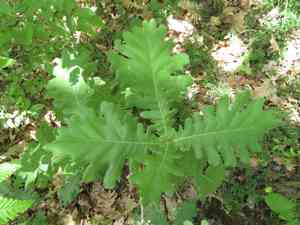
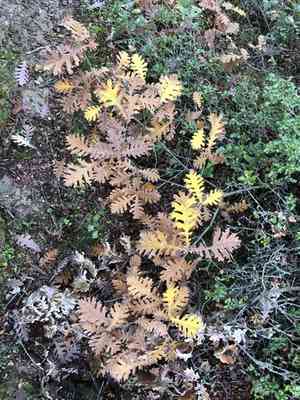
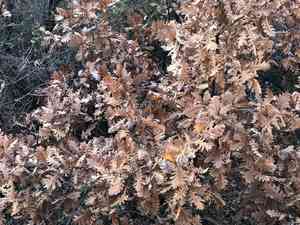
Deeply dissected leaves with intricate lobes, 6-10 inches (15-25 cm) long.
2
Male catkin flowers up to 4 inches (10 cm) long, greenish-yellow and inconspicuous.
3
Light brown acorns in hairy, scaly cupules, 1.25 inches (3.2 cm) long.
4
Russet, hairy twigs with thick, robust structure, 0.4-0.6 inches (1-1.5 cm) diameter.
5
Bark transforms from smooth, gray to brown with deep fissures, girth over 2 feet (60 cm).
Scientific Classification of Hungarian oak
Phylum
Vascular plants
Class
Dicotyledons
Order
Fagales
Family
Beech
Genus
Oaks
Species
Hungarian oak
Planting and Growing of Hungarian oak
Care Difficulty
Easy
Watering Schedule
Every 3 days
Sunlight Requirements
Full sun
Sunshine Duration
6-10 hours
Ideal Temperature
60-75℉
Soil Type
Potting Mix, Peat Mix
Soil pH
6.5-7.5
Fertilizer Type
Balanced
Pruning Season
Spring, Summer
Pruning Area
Branches, Leaves
Pruning Frequency
2 times a year
Repotting Season
Spring
Pot Type
Plastic, Ceramic
 How to Water Hungarian oak?
Quercus frainetto, commonly known as the Hungarian oak, requires watering that ensures the soil is thoroughly moistened but not waterlogged. Aim to soak the soil with about 1500 milliliters, focusing on consistent moisture levels reflecting natural rainfall patterns.
What are the symptoms of an underwatered Hungarian oak?
›
What should I do if my Hungarian oak is not getting enough water?
›
What are the symptoms of an overwatered Hungarian oak?
›
How to save an overwatered Hungarian oak?
›
 What Are the Sunlight Requirements for Hungarian oak?
Quercus frainetto enjoys full to partial sun exposure. Ideal conditions favor photosynthesis, allowing the tree a robust framework and resilience against external threats, ultimately enhancing its aesthetic value.
What is the best location outdoors?
›
How to ensure good sunlight access?
›
What are the benefits of receiving ideal light?
›
 What Is the Ideal Temperature Range for Hungarian oak?
The ideal temperature range for Quercus frainetto, also known as the Hungarian oak, is between 60°F to 75°F. Maintaining this range ensures optimal physiological processes, such as photosynthesis and respiration. Temperatures within this range mimic its native deciduous forest habitats, promoting healthy growth and development.
 What Soil is Best for Hungarian oak?
Quercus frainetto thrives in well-drained soil, which ensures the roots receive adequate air and don't remain waterlogged. This type of soil prevents root rot and promotes healthy growth. Rich, nutrient-laden soils support the robust growth of Quercus frainetto, providing essential minerals and nutrients that keep the foliage lush and resistant to disease. Soils that maintain moderate moisture levels without becoming soggy are ideal for Quercus frainetto, ensuring the roots get enough water without drowning.
 How to Fertilize Hungarian oak?
For Quercus frainetto, apply a balanced fertilizer with a ratio of 10-10-10 or 20-20-20. For liquid fertilizer, use 1 tablespoon per gallon of water, ensuring the solution reaches the root zone evenly.
 How to Prune Hungarian oak?
Begin by identifying and removing any dead or diseased branches. Carefully look for branches that cross one another as they can cause wounds through friction, which can become entry points for pests and diseases. Focus on shaping the tree to promote a strong central leader while reducing competing branches. This helps ensure the tree grows upright with a balanced structure that can withstand strong winds and heavy snow loads. Prune back any long or erratic growth to encourage a fuller, more compact crown. This not only improves the tree's appearance but also enhances the tree’s overall health by ensuring even distribution of light and air throughout the canopy.
More About Pruning Techniques→
 How to Propagate Hungarian oak plant?
1
Collect seeds from mature Quercus frainetto trees during the autumn when the acorns have fully matured. Ensure that the seeds are plump and free from any signs of disease.
2
Stratify seeds in a moist, cool environment for several months, mimicking natural winter conditions. This process breaks seed dormancy and is crucial for successful germination.
3
Sow the stratified seeds into prepared seed trays filled with the soil mix. Plant the seeds at a depth of about twice their size, ensuring they are covered lightly with soil.
 How to Repot Hungarian oak plant?
1
Look for signs of distress such as roots growing out of drainage holes or soil that dries out very quickly. These indicate the plant has outgrown its pot and needs a larger home for continued healthy growth.
2
Choose a pot that is one size larger than the current one to give roots room to expand. Ensure it has drainage holes to prevent waterlogging, which can cause root rot. The right size and drainage are crucial for aeration and root health.
3
Select a well-draining loamy soil. This type of soil provides optimal moisture retention while allowing excess water to escape, ensuring the roots remain healthy and oxygenated. The natural structure supports strong root growth.
Toxicity
Ingestion of acorns or leaves
WARNING
The judgment on toxicity and danger is for reference only. We DO NOT GUARANTEE any accuracy of such judgment. Therefore, you SHALL NOT rely on such judgment. It is IMPORTANT TO SEEK PROFESSIONAL ADVICE in advance when necessary.



