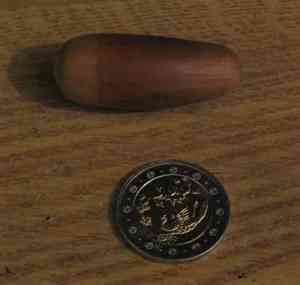
Chestnut-leaved oak (Quercus castaneifolia)
Also known as: Persian Oak
Chestnut-leaved oak is a stately deciduous tree, renowned for its broad leaves, which resemble those of a chestnut, giving a clue to its name. Robust and towering, it can reach impressive heights, thriving in well-drained soils of temperate forests. In spring, pendulous flower catkins grace its boughs, while autumn turns its foliage to a tapestry of rustic hues, providing sustenance and shelter for diverse wildlife.
In This Article
Attributes of Chestnut-leaved oak
Lifespan
Perennial
Plant Type
Tree
Plant Height
25 to 30 meters
Spread
15 to 20 meters
Leaf Color
Dark green (top), light green (underside)
Flower Size
7 cm to 10 cm
Flower Color
Yellowish-green
Images of Chestnut-leaved oak
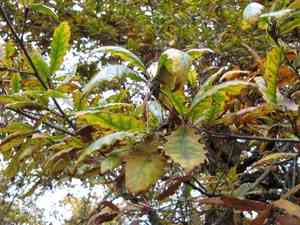
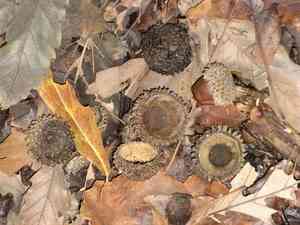
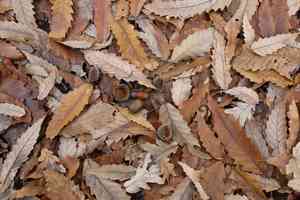
Quickly Identify Chestnut-leaved oak
1
It can be identified by its oblong to lanceolate leaves that resemble those of a chestnut tree. The leaves are dark green and glossy on the top and paler underneath. The bark is rough and fissured.
Scientific Classification of Chestnut-leaved oak
Phylum
Vascular plants
Class
Dicotyledons
Order
Fagales
Family
Beech
Genus
Oaks
Species
Chestnut-leaved oak
Planting and Growing of Chestnut-leaved oak
Care Difficulty
Easy
Watering Schedule
Every 2 days
Sunlight Requirements
Full sun
Sunshine Duration
6-10 hours
Ideal Temperature
60-75℉
Soil Type
Potting Mix, Peat Mix
Soil pH
6.5-7.5
Fertilizer Type
Balanced
Pruning Season
Spring, Summer
Pruning Area
Branches, Leaves
Pruning Frequency
2 times a year
Repotting Season
Spring
Pot Type
Plastic, Ceramic
 How to Water Chestnut-leaved oak?
Quercus castaneifolia enjoys consistent moisture but does not tolerate waterlogging. Aim to water thoroughly by providing around 500 milliliters per session, ensuring that the soil is evenly moist but not soggy. Root zones should receive enough moisture to support healthy growth, especially during dry periods.
What are the symptoms of an underwatered Chestnut-leaved oak?
›
What should I do if my Chestnut-leaved oak is not getting enough water?
›
What are the symptoms of an overwatered Chestnut-leaved oak?
›
How to save an overwatered Chestnut-leaved oak?
›
 What Are the Sunlight Requirements for Chestnut-leaved oak?
Partial to full sun exposure benefits Quercus castaneifolia, promoting strong, healthy growth and aiding disease resistance with its rich supply of light-driven energy.
More About Sunlight Requirements Techniques→
What is the best lighting for Quercus castaneifolia?
›
Solution for providing ideal lighting conditions?
›
Benefits of receiving ideal lighting?
›
 What Is the Ideal Temperature Range for Chestnut-leaved oak?
The ideal temperature range for Quercus castaneifolia, also known as the chestnut-leaved oak, is between 60 and 75°F. This range provides the optimal environment for growth and photosynthesis, allowing the plant to thrive and develop healthy foliage and strong roots.
 What Soil is Best for Chestnut-leaved oak?
Quercus castaneifolia thrives in well-drained soil conditions. Proper drainage prevents root rot and ensures the roots get enough oxygen. Well-drained soil helps the tree to establish deeply and grow vigorously. This tree prefers a nutrient-rich soil environment to support its growth. The presence of ample nutrients promotes healthy leaf production and strengthens the tree's overall structure. Composting can help enhance nutrient availability. The soil should retain moisture reasonably to supply the tree with adequate water, without becoming waterlogged. This balance helps maintain optimal growth and prevents stress during dry spells.
 How to Fertilize Chestnut-leaved oak?
For Quercus castaneifolia, it is essential to use a balanced fertilizer. When using liquid fertilizer, apply about 1/2 strength recommended dose to prevent root burn. For slow-release fertilizer, incorporate around 50 to 100 grams for young plants and 200 to 400 grams for mature trees, depending on soil fertility.
 How to Prune Chestnut-leaved oak?
Always use clean, sharp pruning shears to make precise cuts. Blunt tools can damage branches and leave them vulnerable to infection. Disinfect tools before and after use to maintain hygiene. While Quercus castaneifolia can be pruned year-round, avoid heavy pruning in late fall. This could expose the tree to stress during the winter months and inhibit proper growth in the following spring. Familiarizing yourself with the growth patterns and natural shape of Quercus castaneifolia will guide you in making better pruning decisions. This ensures that the plant's natural beauty is preserved while promoting its health.
More About Pruning Techniques→
 How to Propagate Chestnut-leaved oak plant?
1
Collect acorns from mature Quercus castaneifolia trees in early autumn. Select healthy, unblemished seeds, and immerse them in water to discard any that float, as these are likely non-viable.
2
Prepare a well-draining soil mix and sow the seeds 1-2 inches deep in seed trays. Ensure the soil remains moist but not waterlogged throughout the germination process.
3
In late spring, collect scions from healthy mother plants, and use a grafting knife to splice them onto compatible rootstock. Secure with grafting tape and monitor for successful growth.
 How to Repot Chestnut-leaved oak plant?
1
Observe the growth of Quercus castaneifolia. If you notice roots growing out of the drainage holes, or the plant's growth has significantly slowed despite proper care, it's time to repot. Also, if the soil starts to break down or drain poorly, consider repotting to refresh the medium.
2
Select a pot that's one size larger than the current one, ensuring it has sufficient drainage holes. A well-sized pot allows the roots to spread comfortably without overwatering risks. A clay or terracotta material can help with moisture management for this species.
3
Choose a well-draining loamy mix that mimics the natural habitat of Quercus castaneifolia. This type of soil retains enough moisture for plant health but prevents water stagnation, helping to avoid root rot and nutrient lock.



