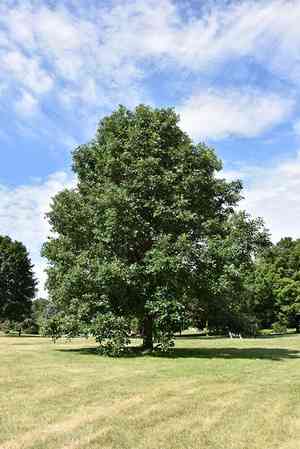
Swamp white oak (Quercus bicolor)
Also known as: Swamp White Oak
The swamp white oak, native to the central and north-central United States, typically grows to a mature height of 50 to 60 feet (15 to 18 meters). It has a moderate growth rate, averaging about 12 to 24 inches (30 to 61 cm) annually. While this tree produces acorns, they generally do not appear until it reaches 20 to 30 years of age.
Attributes of Swamp white oak
Images of Swamp white oak
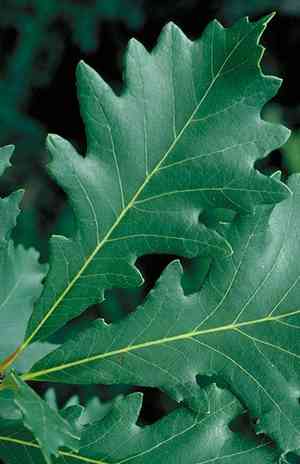
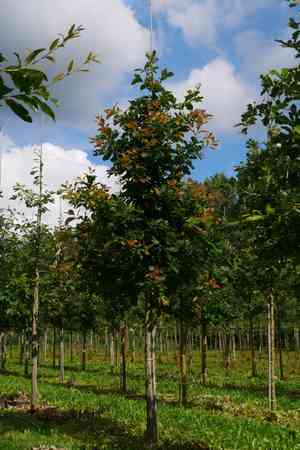
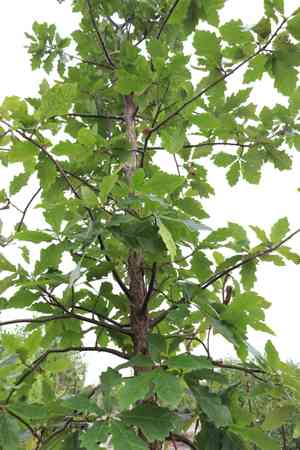
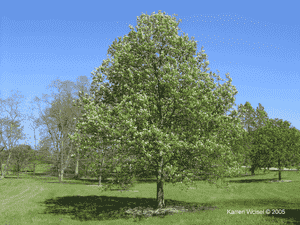
Quickly Identify Swamp white oak
Scientific Classification of Swamp white oak
Planting and Growing of Swamp white oak
 How to Water Swamp white oak?
 What Are the Sunlight Requirements for Swamp white oak?
 What Is the Ideal Temperature Range for Swamp white oak?
 What Soil is Best for Swamp white oak?
 How to Fertilize Swamp white oak?
 How to Prune Swamp white oak?
 How to Propagate Swamp white oak plant?
 How to Repot Swamp white oak plant?
Toxicity of Swamp white oak
Is Swamp white oak toxic to humans?
The swamp white oak possesses toxic characteristics that can be hazardous if ingested. The resulting symptoms are typically mild to moderate and are triggered by the tannins found in its young leaves and acorns. Symptoms may include stomach pain, constipation, bloody stools, diarrhea, increased urination, and intense thirst. Given that these trees are frequently used for ornamental purposes in parks and gardens, they are often readily accessible to people, particularly to more vulnerable populations such as children, who may collect and consume the young leaves and acorns unknowingly.
Is Swamp white oak toxic to cat?
Swamp white oak exhibits a low level of toxicity towards cats, which can result in harmful effects if significant amounts of the plant are consumed. In particular, the leaves and seeds of the swamp white oak are hazardous to felines. When these specific parts are ingested, cats may show signs of general physical unease or illness. It is essential to seek immediate veterinary care by bringing the cat to a veterinary clinic to avert any complications stemming from the consumption of swamp white oak. It is vital to keep cats away from the plant to protect their well-being.
Is Swamp white oak toxic to dog?
Swamp white oak contains a low level of toxicity that can pose a risk to dogs. If canine companions consume significant quantities of this plant, particularly the leaves and seeds, they may experience poisoning. Symptoms following the ingestion of swamp white oak might include gastrointestinal disturbances or respiratory issues. Therefore, it is essential for dog owners to keep a close eye on their pets and discourage them from eating excessive amounts of this plant. Should a dog consume swamp white oak and exhibit negative effects, seeking urgent veterinary attention is critical to ensure appropriate treatment and management of any potential poisoning.



