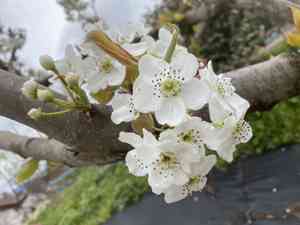
Asian pear(Pyrus pyrifolia)

Asian pear (Pyrus pyrifolia)

Also known as: Sand pear, Japanese pear, Taiwanese pear, Zodiac pear, Papple

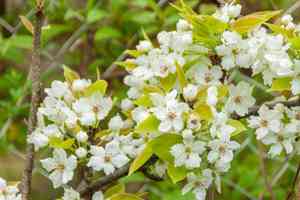
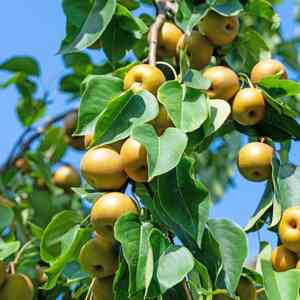
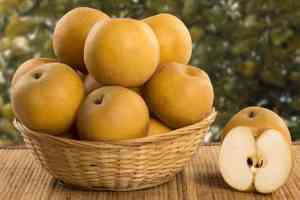
This tree, standing at approximately 15 meters tall, is deciduous. Its leaves are oval, measuring around 12 cm in length, and feature hook-shaped serrated edges. The tree blooms in spring, unveiling flowers with five white petals. By summer to fall, it bears tan or yellow-green, apple-like fruits, with diameters ranging from 10 to 18 centimeters. The fruit's flesh is white, sweet, and juicy. In the wild (known as Yamanashi), these fruits are smaller, about 2 to 3 centimeters in diameter, and have a hard, sour flesh.

Attributes of Asian pear

Lifespan
Perennial
Plant Type
Tree
Plant Height
9 m to 12 m
Spread
9 m to 12 m
Leaf Color
Green Yellow Gold Orange
Flower Size
2.5 cm to 8 cm
Flower Color
White

PlantJoy - Identify plants with a snap

Identify and diagnose plants, get toxicity alerts, and explore safety guides for all types of fungi.

Try for Free

Images of Asian pear

Asian pear(Pyrus pyrifolia)

Quickly Identify Asian pear

1
Impressive height of 30-40 feet (9-12 meters)
2
Large, round fruit with crisp and juicy texture
3
Clusters of small white flowers with delicate petals
4
Lance-shaped leaves with vibrant fall colors
5
Smooth, glossy leaf texture with noticeable vein pattern

Scientific Classification of Asian pear

Phylum
Vascular plants
Class
Dicotyledons
Order
Roses, elms, figs, and allies
Family
Rose
Genus
Pears
Species
Asian pear

Planting and Growing of Asian pear

Care Difficulty
Moderate
Watering Schedule
Every 6 days
Sunlight Requirements
Full sun
Sunshine Duration
6-12 hours
Ideal Temperature
68-77℉
Soil Type
Potting Mix, Peat Mix
Soil pH
6.5-7.5
Fertilizer Type
Balanced
Pruning Season
Spring, Summer
Pruning Area
Branches, Leaves
Pruning Frequency
2 times a year
Repotting Season
Spring
Pot Type
Plastic, Terracotta

water icon How to Water Asian pear?

When watering Pyrus pyrifolia, the soil should be soaked to ensure that the moisture reaches the roots. Water deeply, allowing 500 ml at a time, ensuring the soil is evenly moist without becoming waterlogged.
What are the symptoms of an underwatered Asian pear?
What should I do if my Asian pear is not getting enough water?
What are the symptoms of an overwatered Asian pear?
How to save an overwatered Asian pear?

sunlight icon What Are the Sunlight Requirements for Asian pear?

Sunlight Requirements: Full sun, Partial sun
Duration of light: 6 to 8 hours
Pyrus pyrifolia ideally enjoys full sun exposure for at least 6 to 8 hours daily. Adequate light levels enable optimal growth and fruit development, enhancing both the quantity and quality of the harvest.
What is the best sunlight condition for Pyrus pyrifolia?
How can I ensure ideal sunlight conditions for this plant?
What are the benefits of providing ideal sunlight conditions?
More About Sunlight Requirements Techniques

temperature icon What Is the Ideal Temperature Range for Asian pear?

Ideal Temperature: 68 ~ 77℉
The ideal temperature range for Pyrus pyrifolia is crucial because it ensures optimal growth and fruit development. Within 68°F to 77°F, the plant can efficiently photosynthesize, reproduce, and acquire nutrients, leading to healthy and bountiful pear crops. Deviating from this range could slow down physiological processes, impacting the tree's overall health and yield.

soil icon What Soil is Best for Asian pear?

Soil type: Sandy loam, Loam
Soil PH: 6.5 ~ 7.5
Pyrus pyrifolia thrives best in well-drained soils that prevent water logging, which can lead to root rot. Ensuring good drainage supports robust root development and overall plant health. This plant benefits from soils rich in organic matter and nutrients. Incorporating compost or well-rotted manure enhances soil fertility, promoting strong growth and fruit production. While drainage is crucial, these plants also need soil that retains moisture. Sandy loam can hold moisture without becoming waterlogged, ensuring the plant has consistent access to water.

fertilize icon How to Fertilize Asian pear?

Fertilizer type: Balanced
For Pyrus pyrifolia, the fertilizer amount depends on the tree's size and age. Generally, apply 1 pound of balanced 10-10-10 fertilizer per inch of trunk diameter, measured at 6 inches above ground. Younger trees require less, approximately half the dose, while mature trees can benefit from a full dose spread over the growing season.

prune icon How to Prune Asian pear?

Pruning Time: Spring, Summer, Winter
Begin by removing dead, diseased, or damaged branches to maintain the tree's health. Next, open up the canopy by trimming back congested areas to improve air circulation and light penetration. Avoid cutting more than one-third of the total branches in a single session to prevent stress on the tree. Use pruning to shape your Pyrus pyrifolia into a balanced and aesthetically pleasing form. Pay attention to its natural growth pattern. Aim to establish a central leader or open center shape, depending on personal preference and intended landscape use. This not only looks good but supports strong structural growth. More About Pruning Techniques

propagate icon How to Propagate Asian pear plant?

Propagate Time: Spring,Late spring,Early spring
1
Choose well-draining soil rich in organic matter. Mix equal parts of sand, peat moss, and perlite. This provides the right balance of drainage and nutrient retention.
2
Select healthy, mature branches and cut 6 to 8 inches long sections just below a node. Remove leaves from the bottom half to reduce moisture loss.
3
Dip the cut end of the cutting into rooting hormone, then plant it in the prepared soil. Make sure at least one node is buried underground and water thoroughly.
More About Propagating Techniques

repot icon How to Repot Asian pear plant?

Repotting frequency: Every 2-3 years
1
The ideal time to repot Pyrus pyrifolia is in early spring before new growth starts. Look for signs like roots coming out of drainage holes or soil drying too quickly to indicate repotting necessity.
2
Select a pot that is 2-3 inches larger in diameter than the current one. A pot with good drainage holes is essential to prevent waterlogging, promoting healthy growth.
3
Opt for a well-draining loamy mix that retains some moisture while allowing excess water to escape. This balance helps prevent root rot and supports nutrient absorption.

PlantJoy - Identify plants with a snap

Find the best spots for them to optimize their health, simply using your phone.

Try for Free

Toxicity of Asian pear

Is Asian pear toxic to humans?

The Asian pear contains a low level of toxicity to humans, largely due to the hydrogen cyanide present in its seeds. If the seeds are consumed, they can release this dangerous compound, potentially resulting in poisoning. Poisoning symptoms from ingesting Asian pear seeds may include breathing difficulties, dizziness, headaches, confusion, and in some cases, seizures. The intensity of these symptoms can depend on the quantity of seeds ingested. It is crucial to exercise caution and prevent accidental seed consumption, particularly in children who may be drawn to the fruit. While the flesh of the Asian pear is safe and enjoyed by many, the seeds must be avoided to eliminate any risk of toxic effects.

Is Asian pear toxic to cat?

The Asian pear has been recognized as having a mild toxic effect on cats. If cats inadvertently consume any parts of this plant, especially the seeds, they may face a poisoning risk due to the presence of hydrogen cyanide. Following the ingestion of the toxic elements of the Asian pear, cats might display symptoms that suggest physical distress, which can alert caregivers to a possible poisoning incident. Given that the safety of pets is of utmost importance, it is crucial for cat owners to observe their pets for any indications of illness and to promptly seek veterinary assistance if they fear that their cat has ingested any portion of the Asian pear.

Is Asian pear toxic to dog?

The plant species known as Asian pear exhibits a mild toxicity level that can affect dogs. If dogs accidentally consume this plant, particularly the seeds, they are at risk of poisoning due to the presence of the toxic compound hydrogen cyanide. Symptoms may arise if a dog ingests Asian pear seeds, including difficulty breathing, panting, red mucous membranes, and shock. Given these potential health hazards, dog owners should remain vigilant and prevent their pets from accessing or consuming any part of the Asian pear plant. Should a dog ingest any portion of this plant, especially the seeds, it is vital to seek immediate veterinary assistance to address any negative effects and safeguard the pet's health.

Identify toxic plants for your safety

Learn which plants are harmful to you and your pets, and make informed choices for a safer home!

Try for Free
WARNING
The judgment on toxicity and danger is for reference only. We DO NOT GUARANTEE any accuracy of such judgment. Therefore, you SHALL NOT rely on such judgment. It is IMPORTANT TO SEEK PROFESSIONAL ADVICE in advance when necessary.
More About Toxic Techniques