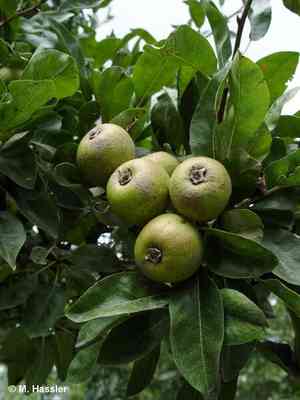
Snow pear(Pyrus nivalis)

Snow pear (Pyrus nivalis)

Also known as: Mediterranean pear

The plant you're referring to is likely the prickly pear cactus (Opuntia).

**Characteristics:**
1. **Size:** Can reach up to 10 meters in height and about 8 meters in width.
2. **Appearance:** Displays a colorful array of flowers and fruits.
3. **Durability:** Thrives in extreme temperatures and with minimal water.

**Uses:**
1. **Edible Fruit:** The fruit, often called "tunas," can be consumed raw or cooked, offering a mildly sour flavor.
2. **Culinary Uses:** The cactus pads, known as "nopales," are edible and used in various dishes.
3. **Medicinal Benefits:** Traditionally used for its anti-inflammatory properties.
4. **Environmental Benefits:** Aids in soil erosion prevention and provides shelter for wildlife.

This resilient plant is ideal for dry and semi-arid climates due to its tough nature.

Attributes of Snow pear

Lifespan
Perennial
Plant Type
Tree
Plant Height
12 m
Spread
8 m
Leaf Color
Dark green, turns yellow or red in fall
Flower Size
1.5 to 2 centimeters
Flower Color
White

ForwardPlant - Identify plants with a snap

Identify and diagnose plants, get toxicity alerts, and explore safety guides for all types of fungi.

Try for Free

Images of Snow pear

Snow pear(Pyrus nivalis)

Quickly Identify Snow pear

1
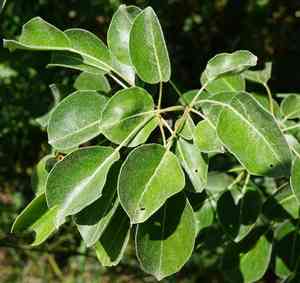
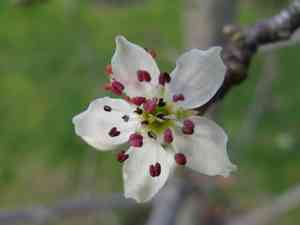
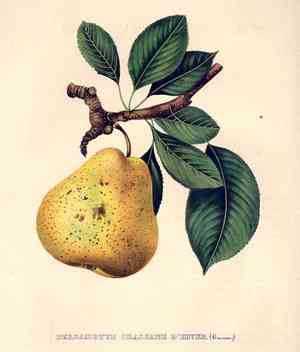
Pyrus nivalis can be identified by its glossy, dark green leaves that turn yellow or red in the fall, white flowers in spring, and small, greenish-yellow fruits. The leaves are ovate and serrated along the edges. The flowers bloom in clusters and have five petals.

Scientific Classification of Snow pear

Phylum
Vascular plants
Class
Dicotyledons
Order
Roses, elms, figs, and allies
Family
Rose
Genus
Pears
Species
Snow pear

Planting and Growing of Snow pear

Care Difficulty
Easy
Watering Schedule
Every 2 days
Sunlight Requirements
Full sun
Sunshine Duration
6-10 hours
Ideal Temperature
59-77℉
Soil Type
Potting Mix, Peat Mix
Soil pH
At least 6.5
Fertilizer Type
Balanced
Pruning Season
Spring, Summer
Pruning Area
Branches, Leaves
Pruning Frequency
2 times a year
Repotting Season
Spring
Pot Type
Plastic, Ceramic

water icon How to Water Snow pear?

When watering Pyrus nivalis, aim to provide around 500 milliliters each time, ensuring the water reaches the root system without pooling on the surface. It’s crucial to maintain moist soil without creating a soggy environment.
What are the symptoms of an underwatered Snow pear?
What should I do if my Snow pear is not getting enough water?
What are the symptoms of an overwatered Snow pear?
How to save an overwatered Snow pear?

sunlight icon What Are the Sunlight Requirements for Snow pear?

Sunlight Requirements: Full sun, Partial sun
Duration of light: 6-8 hours daily
For Pyrus nivalis, ideal light conditions range from full to partial sun exposure. Consistent sunlight improves growth vigor, promoting stronger branches, healthier leaves, and more abundant fruiting cycles.
What is the ideal light condition for Pyrus nivalis?
How can I ensure Pyrus nivalis gets ideal lighting?
What benefits does ideal lighting provide to Pyrus nivalis?

temperature icon What Is the Ideal Temperature Range for Snow pear?

Ideal Temperature: 59 ~ 77℉
The ideal temperature range for growing Pyrus nivalis is between 59°F and 77°F. This range provides the optimal conditions for the plant's growth, ensuring that metabolic processes and enzymatic activities occur efficiently. Within this temperature range, Pyrus nivalis can thrive, showing vibrant growth and robust health.

soil icon What Soil is Best for Snow pear?

Soil type: Loam, Calcareous soil
Soil PH: At least 6.5
Pyrus nivalis thrives in well-drained soils to prevent root rot, ensuring the roots receive enough oxygen and reduce the risk of waterlogging, allowing the plant to absorb essential nutrients effectively. This plant benefits from soils rich in organic matter that support robust growth and fruit production. A balanced fertility helps in maintaining its vigor and resistance to pests. The soil should hold enough moisture to keep the roots hydrated yet must not retain excessive water that might suffocate roots or promote fungal infections, ensuring sustained health.

fertilize icon How to Fertilize Snow pear?

Fertilizer type: Balanced
For Pyrus nivalis, the fertilization amount should cater to its growth stage. Young plants require lighter applications, roughly 50 grams per tree every couple of months, while mature trees may benefit from up to 200 grams of a balanced fertilizer annually.

prune icon How to Prune Snow pear?

Pruning Time: Spring, Summer
Start by removing dead, damaged, or diseased branches first. Follow by thinning the canopy to increase light penetration and air circulation. Try to maintain a symmetrical shape to promote balanced growth. In spring, focus on shaping and removing weak growth. Summer pruning can help control size and remove overgrowth. During winter, avoid pruning in frost to prevent damage to new cuts. More About Pruning Techniques

propagate icon How to Propagate Snow pear plant?

Propagate Time: Early spring,Spring,Late spring
1
Harvest seeds from ripe Pyrus nivalis fruits in early spring when they are most viable, and dry them for several days before planting to enhance germination rates.
2
Select healthy, semi-hardwood cuttings in late spring. Cut a segment around 10-15 cm long just below a node, and remove lower leaves to prevent rot.
3
Choose compatible rootstock in early spring. Cut both scion and rootstock at the same angle and firmly join them together. Use grafting tape to secure the joint until the graft takes.
More About Propagating Techniques

repot icon How to Repot Snow pear plant?

Repotting frequency: Every 2-3 years
1
Look for signs like roots growing out of drainage holes, soil compacting, or slowed growth. These indicate that it's time for Pyrus nivalis to get a new pot. Ideal times are during Spring or Autumn when the plant is active.
2
Select a pot that's 1-2 inches larger in diameter than the current one. The pot should have proper drainage holes to prevent waterlogging, which benefits root health and avoids root rot. Materials like terracotta can help wick away excess moisture.
3
Opt for a loamy, well-draining mix that retains enough moisture but also offers air circulation. This combination ensures roots receive adequate aeration and nutrients, promoting robust growth and preventing water stagnation.

ForwardPlant - Identify plants with a snap

Find the best spots for them to optimize their health, simply using your phone.

Try for Free