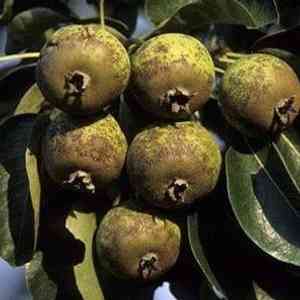
Heart-shaped pear (Pyrus cordata)
Also known as: Heart-leaved pear
Pyrus cordata is a deciduous shrub or small tree growing up to 10 metres in height. It is hardy and is not frost tender but its ability to bear fruit and thus seed is dependent upon favourable weather conditions. It is in flower in spring. The flowers are hermaphrodite and are pollinated by Insects. The trees have pale cream blossom with some pink.
In This Article
Attributes of Heart-shaped pear
Lifespan
Perennial
Plant Type
Tree, Shrub
Plant Height
Up to 10 meters (33 feet)
Spread
4 to 6 meters (13 to 20 feet)
Leaf Color
Dark green
Flower Size
2 to 3 cm
Flower Color
White
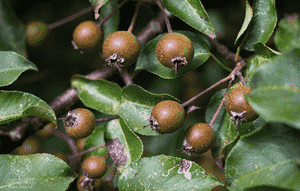
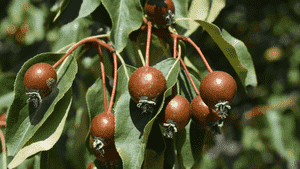
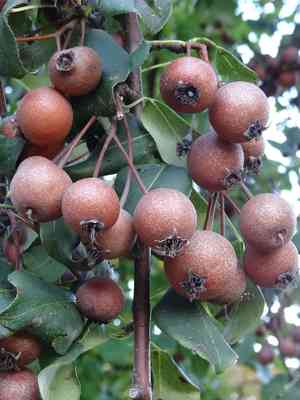
Images of Heart-shaped pear
Quickly Identify Heart-shaped pear
1
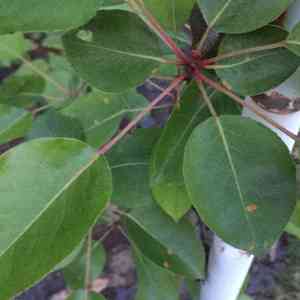
Identifiable by its small, roundish, greenish-yellow fruits, which are typically less than 2 cm in diameter. The leaves are oval, long, and dark green, while the flowers are white and form in clusters.
Scientific Classification of Heart-shaped pear
Phylum
Vascular plants
Class
Dicotyledons
Order
Rosales
Family
Rose
Genus
Pears
Species
Heart-shaped pear
Planting and Growing of Heart-shaped pear
Care Difficulty
Easy
Watering Schedule
Every 2 days
Sunlight Requirements
Partial sun
Sunshine Duration
6-10 hours
Ideal Temperature
60-75℉
Soil Type
Potting Mix, Peat Mix
Soil pH
6.5-7.5
Fertilizer Type
Balanced
Pruning Season
Spring, Summer
Pruning Area
Branches, Leaves
Pruning Frequency
2 times a year
Repotting Season
Spring
Pot Type
Plastic, Ceramic
 How to Water Heart-shaped pear?
Pyrus cordata requires enough water to moisten the soil without causing it to become waterlogged. Aim for about 500 ml of water per watering. This amount should ensure that the soil is evenly moist. Always let the top inch of the soil dry out before watering again to prevent root rot.
What are the symptoms of an underwatered Heart-shaped pear?
›
What should I do if my Heart-shaped pear is not getting enough water?
›
What are the symptoms of an overwatered Heart-shaped pear?
›
How to save an overwatered Heart-shaped pear?
›
 What Are the Sunlight Requirements for Heart-shaped pear?
Pyrus cordata ideally requires partial sun exposure, receiving around four to six hours of sunlight daily. This light range promotes balanced growth and maintains healthy leaf color.
How much sun does Pyrus cordata need?
›
What solutions are there for ideal lighting?
›
What are the benefits of ideal sunlight?
›
 What Is the Ideal Temperature Range for Heart-shaped pear?
Pyrus cordata thrives best in temperatures ranging from 60°F to 75°F. This range provides optimal conditions for growth and flowering, ensuring that the plant's physiological processes function seamlessly. Temperatures within this range help in maximizing photosynthesis while preventing stress-related issues.
 What Soil is Best for Heart-shaped pear?
Pyrus cordata thrives in well-draining soil that prevents waterlogging, allowing roots to breathe and reducing the risk of root rot. This ensures healthy growth and fruit production. Rich soil with plenty of organic matter provides essential nutrients, promoting vigorous growth and enhancing the plant's natural resistance to diseases and pests. The soil should retain some moisture while not becoming waterlogged, ensuring that the plant has consistent access to water without the risk of root damage.
 How to Fertilize Heart-shaped pear?
For Pyrus cordata, it's important to use a balanced fertilizer like a 10-10-10 NPK ratio. Liquid fertilizer should be applied at a rate equivalent to the manufacturer's instructions, usually not exceeding 1/2 teaspoon per gallon of water, ensuring the soil is evenly moist but not saturated.
 How to Prune Heart-shaped pear?
Before starting, examine the tree to identify dead, diseased, or overlap branches. A good structure allows light to penetrate the canopy and air to circulate freely. Cut back any branches that have succumbed to disease or are clearly dead. Make cuts at a 45-degree angle just above a growth node or healthy limb. To improve air circulation and light penetration, thin out sections where branches may be growing too tightly together. This prevents conditions that foster fungal growth. Prune to shape the tree, focusing on maintaining an open-centered structure which is ideal for promoting fruit development. Leave the stronger, more central branches to encourage balanced growth.
More About Pruning Techniques→
 How to Propagate Heart-shaped pear plant?
1
Harvest seeds from mature Pyrus cordata fruits in autumn. Clean them thoroughly to remove any pulp or residue, and store them in a cool, dry place until ready to sow in spring or autumn.
2
Select healthy, non-flowering shoots for cuttings in early summer. Trim the cuttings to about 15-20 cm in length, removing leaves from the bottom half to reduce transpiration.
3
Choose a compatible rootstock and scion. Make precise cuts and align the cambium layers for successful grafting. Support the grafted area with grafting tape to ensure stability and facilitate successful union.
 How to Repot Heart-shaped pear plant?
1
Keep an eye on your Pyrus cordata's roots. If they start peeking through drainage holes or seem overly crowded, it's time. Also, if the plant shows stunted growth or the soil dries out rapidly after watering, these are key signs to consider repotting to give your plant a fresh start.
2
Opt for a pot that's just one size bigger to prevent waterlogging while still allowing room for root growth. The pot should have ample drainage holes to facilitate proper water management. A ceramic or terracotta pot is advantageous as it aids in moisture retention, ensuring your Pyrus cordata stays healthy.
3
Use a well-draining loamy soil mix that maintains moisture yet prevents water retention. This type of soil provides a balance between aeration and hydration, crucial for Pyrus cordata's roots to thrive. Adding organic matter like compost can improve soil structure and nutrient availability.



