Bradford pear(Pyrus calleryana)

Bradford pear (Pyrus calleryana)

Also known as: Callery Pear, Bradford Pear

The Bradford pear, originally from China, has become invasive in regions like the U.S. and Australia. Although it can't self-pollinate, it crossbreeds with other plants, producing fertile seeds that spread in nature. Birds and animals disperse its abundant fruits, allowing it to take root in disturbed areas. Dense colonies of Bradford pear can outcompete native species for resources. To manage its spread, consider the following:

1. **Physical Removal**: Pull out young saplings manually and cut down mature trees, making sure to grind or chemically treat the stumps to prevent regrowth.
2. **Herbicide Application**: Use appropriate herbicides, such as oil-based, foliar, basal bark, or stump treatments, to kill the tree and inhibit regrowth.
3. **Replanting with Natives**: Substitute Bradford pears with native species like Trident Maple or Serviceberry to restore ecological balance.
4. **Community Education**: Raise awareness about the invasive nature of Bradford pears and promote the use of native alternatives.

By integrating these strategies, you can effectively control and reduce the spread of Bradford pears.

Attributes of Bradford pear

Lifespan
Perennial
Plant Type
Tree
Plant Height
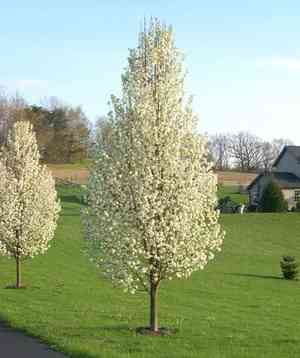
5 m to 8 m
Spread
6 m to 9 m
Leaf Color
Green Red
Flower Size
1.5 cm to 2.5 cm
Flower Color
White

PlantJoy - Identify plants with a snap

Identify and diagnose plants, get toxicity alerts, and explore safety guides for all types of fungi.

Try for Free

Images of Bradford pear

Bradford pear(Pyrus calleryana)

Quickly Identify Bradford pear

1
Distinctive bark transitions from light brown to reddish-brown to light gray, ridged and furrowed.
2
White-pubescent young twigs ripen to smooth, shiny brown, potentially bearing thorns.
3
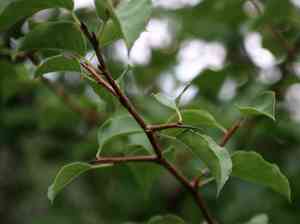
Dark green, glossy, ovate leaves with crenate, wavy margins, and paler undersides.
4
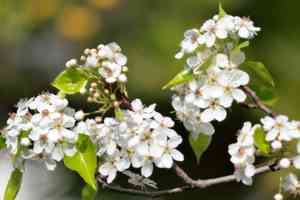
White, 5-petaled flowers of 0.75 to 1 inch (1.9 to 2.5 cm) in diameter.
5
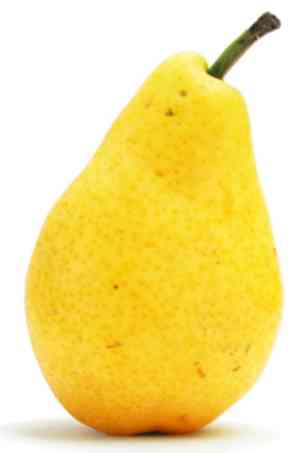
Fruits are small spheres, yellowish-green to brown, measuring 0.5 to 1 inch (1.3 to 2.5 cm) in diameter.

Scientific Classification of Bradford pear

Phylum
Vascular plants
Class
Dicotyledons
Order
Roses, elms, figs, and allies
Family
Rose
Genus
Pears
Species
Bradford pear

Planting and Growing of Bradford pear

Care Difficulty
Easy
Watering Schedule
Every 2 days
Sunlight Requirements
Full sun
Sunshine Duration
6-10 hours
Ideal Temperature
60-75℉
Soil Type
Potting Mix, Peat Mix
Soil pH
6-7.5
Fertilizer Type
Balanced
Pruning Season
Spring, Summer
Pruning Area
Branches, Leaves
Pruning Frequency
Once a year
Repotting Season
Spring
Pot Type
Plastic, Ceramic

water icon How to Water Bradford pear?

Pyrus calleryana prefers to have its soil kept consistently moist but not soggy. Watering should be sufficient to moisten the soil to a depth of about 6 inches. Normally, a volume of around 750 milliliters per watering session is ideal for promoting deep root growth while avoiding waterlogging. The goal is to maintain a well-drained soil texture, ensuring that water is evenly distributed without saturating the ground.
What are the symptoms of an underwatered Bradford pear?
What should I do if my Bradford pear is not getting enough water?
What are the symptoms of an overwatered Bradford pear?
How to save an overwatered Bradford pear?
More About Watering Techniques

sunlight icon What Are the Sunlight Requirements for Bradford pear?

Sunlight Requirements: Full sun, Partial sun
Duration of light: 6 to 8 hours
Ideally, Pyrus calleryana flourishes in full sunlight for 6-8 hours daily. This exposure supports robust growth, vibrant flowering, and overall health vitality, making it a stunning addition to any landscape.
What is the ideal sunlight requirement for Pyrus calleryana?
What solutions can you implement to achieve these lighting conditions?
What benefits does the plant receive from ideal lighting?
More About Sunlight Requirements Techniques

temperature icon What Is the Ideal Temperature Range for Bradford pear?

Ideal Temperature: 60 ~ 75℉
The ideal temperature range for Pyrus calleryana, commonly known as the Callery pear, is between 60°F and 75°F. This range supports optimal growth, flowering, and fruiting by providing the necessary warmth without excessive heat. Maintaining this temperature range helps the plant to maximize photosynthesis while ensuring the overall health of the plant structure.

soil icon What Soil is Best for Bradford pear?

Soil type: Loam, Sandy loam, Clay soil
Soil PH: 6 ~ 7.5
Pyrus calleryana thrives best in well-drained soils, as it prevents waterlogging which can lead to root rot. Well-drained soil ensures the roots receive the right balance of moisture and oxygen, promoting healthy growth and resilience against diseases. It's vital for Pyrus calleryana to have access to nutrient-rich conditions for optimal growth. Enriched soil helps maintain the tree's lush foliage and supports its flowering and fruiting potential, significantly boosting its ornamental value. While the tree can survive varied moisture conditions, moderate moisture retention ensures consistent growth without stress. Such conditions allow the plant to access water during dry spells without suffering from excessive dampness. More About Soil

fertilize icon How to Fertilize Bradford pear?

Fertilizer type: Balanced
For Pyrus calleryana, it's crucial not to overdo it with fertilizer. Generally, apply about half a cup of balanced, all-purpose 10-10-10 fertilizer for a young tree per application. Mature trees might require one cup per application. More About Fertilizing Techniques

prune icon How to Prune Bradford pear?

Pruning Time: Spring, Summer
Before beginning, make sure your pruning tools are clean and sharp to ensure clean cuts, which promote faster healing and minimize disease risk. Assess the tree from all angles to determine which branches require removal. Always prioritize branches that are dead, diseased, or damaged, as well as those that disrupt the natural shape and symmetry of the tree. Start by removing dead wood and then focus on thinning out overcrowded branches for better air circulation. Cut back to a healthy bud or lateral branch, ensuring to maintain the tree's natural shape. Keep cutting angles at about 45 degrees to prevent water accumulation on cuts. Be steady and patient, making precise cuts to avoid damaging the bark or leaving stubs, which could lead to infections or decay. More About Pruning Techniques

propagate icon How to Propagate Bradford pear plant?

Propagate Time: Early spring,Late spring,Early autumn
1
Choose a healthy and disease-free plant from which to take cuttings. This ensures that the cuttings are vigorous and have a greater chance of successful propagation.
2
Take a 4-6 inch cutting from the current season's growth. Ensure it has at least one leaf node near the cut, as this is where the roots will develop. Remove any flowers or fruit to direct the plant’s energy towards rooting.
3
Dip the cut end of the stem in rooting hormone and place it into a pot filled with moist, well-drained potting mix. Firm the soil around the cutting to secure it and reduce air pockets.
More About Propagating Techniques

repot icon How to Repot Bradford pear plant?

Repotting frequency: Every 2-3 years
1
Observe if roots are peeking through the drainage holes or if the plant has stunted growth. The best time to repot Pyrus calleryana is during the early spring or early autumn, when the plant is not actively flowering or fruiting, ensuring minimal stress during the transition.
2
Select a pot that is one size larger than the current one, providing ample space for new root growth. A pot with drainage holes is crucial to prevent waterlogged roots, which can lead to root rot. The material of the pot—such as clay or ceramic—can also help with moisture regulation.
3
Opt for a well-draining loamy soil mix to accommodate the drainage needs of Pyrus calleryana. This soil type supports healthy root expansion and prevents waterlogging, thus ensuring robust growth and resilience against diseases.

PlantJoy - Identify plants with a snap

Find the best spots for them to optimize their health, simply using your phone.

Try for Free

Toxicity of Bradford pear

Is Bradford pear toxic to cat?

The Bradford pear, widely recognized as Bradford pear, poses a low level of toxicity to cats. The main concern occurs when the plant's seeds are ingested in excessive quantities. Although the exact toxic compounds are not specified, pet owners should remain alert, as consumption may cause signs of physical distress in their cats. Should there be any suspicion that a cat has eaten Bradford pear seeds, it is essential to obtain prompt veterinary assistance. Swift intervention is vital to address any negative reactions and maintain the health of the feline.

Is Bradford pear toxic to dog?

The species known as Bradford pear presents a moderate toxicity risk to dogs. If canines consume this plant in large quantities, particularly the seeds, which are the toxic component, they may experience poisoning. Should a dog ingest a considerable number of these seeds, it could display symptoms that indicate poisoning. Dog owners must remain vigilant and prevent their pets from entering areas where seeds of the Bradford pear may be found. In cases where a dog does consume parts of the Bradford pear, especially the seeds, and exhibits distress signals such as vomiting, diarrhea, or lethargy, it is crucial to seek prompt veterinary attention to ensure appropriate treatment and management of any potential toxic effects.

Identify toxic plants for your safety

Learn which plants are harmful to you and your pets, and make informed choices for a safer home!

Try for Free
WARNING
The judgment on toxicity and danger is for reference only. We DO NOT GUARANTEE any accuracy of such judgment. Therefore, you SHALL NOT rely on such judgment. It is IMPORTANT TO SEEK PROFESSIONAL ADVICE in advance when necessary.
More About Toxic Techniques