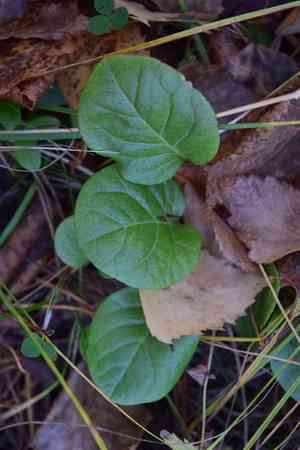
Wintergreens (Pyrola) (Pyrola)
Also known as: Wintergreen, Shinleaf
Wintergreens typically thrive in partially shaded environments and are commonly used as ornamental plants in woodland gardens. During the summer, they produce flowers on long, slender stems that emerge from a cluster of rounded foliage. After the flowers fade in the fall, the plants spread by dispersing seeds, contributing to their propagation.
In This Article
Attributes of Wintergreens (Pyrola)
Lifespan
Perennial
Plant Height
10-30 cm
Spread
Not applicable (rosette-forming)
Leaf Color
Green
Flower Size
0.5-1 cm
Flower Color
White Yellow Green Pink
Images of Wintergreens (Pyrola)
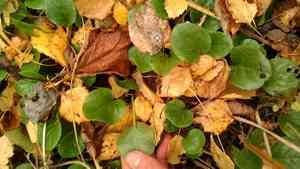
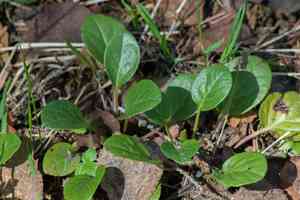
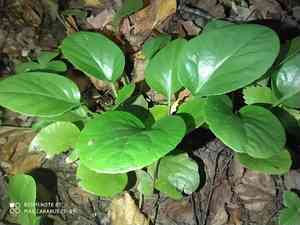
Quickly Identify Wintergreens (Pyrola)
1
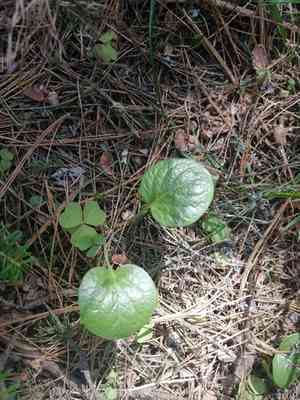
Pyrola plants can be identified by their leathery, oval to round leaves and small, nodding, bell-shaped flowers that are typically white or pink. The flowers grow on a slender stalk, and the plant\'s leaves are often found in a basal rosette.
Scientific Classification of Wintergreens (Pyrola)
Phylum
Tracheophyta
Class
Magnoliopsida
Order
Ericales
Family
Ericaceae
Genus
Pyrola
Planting and Growing of Wintergreens (Pyrola)
Care Difficulty
Moderate
Watering Schedule
Every 2 days
Sunlight Requirements
Partial sun
Sunshine Duration
6-10 hours
Ideal Temperature
50-68℉
Soil Type
Potting Mix, Peat Mix
Soil pH
4.5-6.5
Fertilizer Type
Balanced
Pruning Season
Spring, Summer
Pruning Area
Branches, Leaves
Pruning Frequency
2 times a year
Repotting Season
Spring
Pot Type
Plastic, Ceramic
 How to Water Wintergreens (Pyrola)?
Pyrola prefers moderate watering. The soil should remain consistently moist but not waterlogged. This usually translates to about 200ml of water per session, ensuring the soil feels damp to the touch without excess water pooling at the bottom. It thrives best when watered based on the principle of keeping it moist but avoiding saturation, which could harm the roots.
What are the symptoms of an underwatered Wintergreens (Pyrola)?
›
What should I do if my Wintergreens (Pyrola) is not getting enough water?
›
What are the symptoms of an overwatered Wintergreens (Pyrola)?
›
How to save an overwatered Wintergreens (Pyrola)?
›
 What Are the Sunlight Requirements for Wintergreens (Pyrola)?
Pyrola thrives in partial sun to full shade, benefiting from moderate light that supports balanced growth without overstressing the plant.
What is the best lighting condition for Pyrola?
›
How to achieve the ideal lighting conditions for Pyrola?
›
What benefits does Pyrola gain with ideal lighting?
›
 What Is the Ideal Temperature Range for Wintergreens (Pyrola)?
The ideal temperature range for Pyrola species cultivation is between 50°F to 68°F. These temperatures facilitate optimal photosynthesis and metabolic activities, encouraging healthy growth and reproduction. Ensuring this range is maintained helps Pyrola develop robust foliage and blooms.
 What Soil is Best for Wintergreens (Pyrola)?
Pyrola thrives in well-drained soil which allows water to permeate easily without stagnation. This prevents root rot and helps maintain a healthy root system, essential for nutrient uptake and overall plant health. While good drainage is key, the soil should also have the capacity to retain some moisture. This ensures that the plant's roots receive consistent hydration without becoming waterlogged, aiding in vigorous growth. A soil rich in organic matter is beneficial for Pyrola. Organic-rich soils provide essential nutrients that support robust growth and enhance the plant's resilience to pests and diseases.
 How to Fertilize Wintergreens (Pyrola)?
Pyrola, or wintergreen, requires a balanced approach to fertilization. Use a diluted liquid fertilizer at half the recommended strength to avoid over-fertilization, as this plant thrives in nutrient-poor environments.
 How to Prune Wintergreens (Pyrola)?
Focus on removing dead or diseased leaves first. Cutting back any overgrown stems can promote healthier airflow and access to sunlight. Trim back to the base of the plant or to a secondary stem, ensuring the natural shape of the Pyrola is maintained. After pruning, water the plant adequately and apply a balanced fertilizer to encourage new growth. Pruning stimulates the plant to produce more flowers and fuller foliage. It's essential to follow up with proper aftercare to see the best results from your pruning efforts.
 How to Propagate Wintergreens (Pyrola) plant?
1
Prepare a substrate mix of peat and sand for sowing seeds or planting cuttings. It should be well-draining to prevent root rot, a common problem in Pyrola propagation.
2
Scatter Pyrola seeds lightly over the substrate. Cover them with a thin layer of sand to ensure they are not buried too deep, as this can hinder germination. Keep the substrate consistently moist.
3
Select healthy stems from the parent plant and cut them using sterilized pruning shears. Each cutting should be about 3-6 inches long with several leaves. Remove the lower leaves before planting in the substrate.
 How to Repot Wintergreens (Pyrola) plant?
1
For Pyrola, look for signs like roots emerging from the pot's drainage holes—an indication that the plant has outgrown its space. Additionally, if the growth seems stunted despite proper care, or if the soil looks depleted, it's a sign that repotting is necessary. It's best done in the warmer seasons when the plant is actively growing.
2
Select a pot that is just one size larger than the current one. It should have good drainage to prevent waterlogging. A slightly larger pot allows enough room for root expansion without overwhelming the plant, ensuring balanced new growth and stability.
3
Opt for well-drained acidic soil, reminiscent of its natural habitat. This facilitates proper nutrition uptake and moisture retention, ensuring robust health. The soil should be rich in organic matter to mimic the forest floor conditions, promoting thriving growth.

