
Large wintergreen (Pyrola rotundifolia)
Also known as: Shinleaf
Sweet Alyssum (Lobularia maritima) is a delightful wildflower known for its fragrant white blossoms. While it is not typically cultivated for ornamental purposes, it enhances wildflower gardens with its distinct aroma and charm. This plant has a spreading habit, making it an excellent choice for groundcover. Additionally, Sweet Alyssum attracts a variety of pollinators, including flies and bees.
In This Article
Attributes of Large wintergreen
Lifespan
Perennial
Plant Type
Herb, Shrub
Plant Height
10 cm to 30 cm
Spread
30 cm
Leaf Color
Dark green, glossy
Flower Size
8 mm to 1.4 cm
Flower Color
White Pink
Images of Large wintergreen
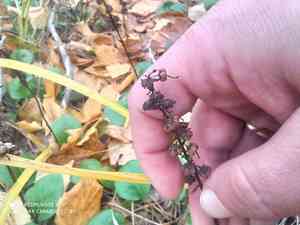
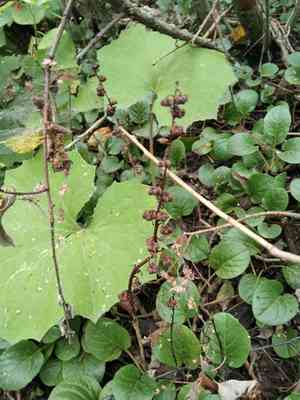
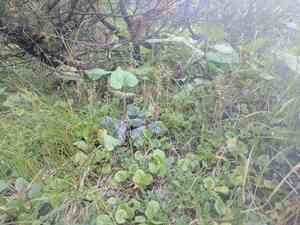
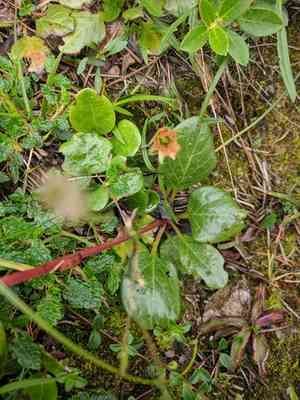
Quickly Identify Large wintergreen
1
Pure white bell-shaped flowers in racemes
2
Leaves are glossy, rounded ovate, with long petioles
3
Small flowers with delicate white petals, 0.5-1.0 cm diameter
4
Smooth, slender stem, 2-5 mm diameter, unbranched
5
Distinctive presence in moist, alkaline environments
Scientific Classification of Large wintergreen
Phylum
Vascular plants
Class
Dicotyledons
Order
Ericales
Family
Heath
Genus
Wintergreens
Species
Large wintergreen
Planting and Growing of Large wintergreen
Care Difficulty
Moderate
Watering Schedule
Every 2 days
Sunlight Requirements
Partial sun
Sunshine Duration
6-8 hours
Ideal Temperature
60-75℉
Soil Type
Potting Mix, Peat Mix
Soil pH
5-7
Fertilizer Type
Balanced
Pruning Season
Spring, Summer
Pruning Area
Branches, Leaves
Pruning Frequency
2 times a year
Repotting Season
Spring
Pot Type
Ceramic, Plastic
 How to Water Large wintergreen?
Pyrola rotundifolia enjoys consistently moist soil but doesn't do well in waterlogged conditions. Aim to provide approximately 150ml of water per session, always considering the soil's moisture level. Ideally, water until you see a small amount draining from the bottom of the pot, indicating saturation without over-soaking.
What are the symptoms of an underwatered Large wintergreen?
›
What should I do if my Large wintergreen is not getting enough water?
›
What are the symptoms of an overwatered Large wintergreen?
›
How to save an overwatered Large wintergreen?
›
 What Are the Sunlight Requirements for Large wintergreen?
Providing partial sun of 4 to 6 hours helps maintain Pyrola rotundifolia's robust health and aesthetic appeal. Ideal light enhances leaf coloration and supports its woodland-natured growth pattern.
More About Sunlight Requirements Techniques→
What is the ideal level of sunlight for Pyrola rotundifolia?
›
How can you achieve ideal lighting conditions for Pyrola rotundifolia?
›
What benefits does ideal lighting provide to Pyrola rotundifolia?
›
 What Is the Ideal Temperature Range for Large wintergreen?
The ideal temperature range for growing Pyrola rotundifolia is between 60°F and 75°F. This range allows the plant to perform optimal photosynthesis, promoting healthy growth and preventing any temperature-induced stress.
 What Soil is Best for Large wintergreen?
Pyrola rotundifolia thrives in soil that retains moisture well. Ensuring a consistent water level is maintained helps the plant stay hydrated, preventing dehydration and promoting lush growth. Rich, organic matter present in the soil is crucial for providing essential nutrients. This enriched environment supports strong root development and boosts the plant's overall vitality and resilience. The soil should allow for easy air movement, which supports root respiration. Well-aerated soil enhances root health and nutrient absorption, facilitating vigorous growth and flowering.
 How to Fertilize Large wintergreen?
For Pyrola rotundifolia, it is recommended to use a balanced, diluted fertilizer to prevent overfeeding. Generally, you should apply about 1/4 strength of a standard liquid houseplant fertilizer. This ensures that the plant gets sufficient nutrients without being overwhelmed.
 How to Prune Large wintergreen?
Start by examining your Pyrola rotundifolia for any dead or damaged leaves. Use clean, sharp scissors to snip these away at the base. Be gentle, as this plant has delicate stems. After removing dead foliage, lightly trim the longer stems to maintain a rounded appearance, which is important for its unique aesthetic. Ensure not to over-prune, as this could stress the plant.
More About Pruning Techniques→
 How to Propagate Large wintergreen plant?
1
Harvest seeds from mature Pyrola rotundifolia plants in late summer when seed pods are dry and ready to release. Carefully extract seeds to avoid damage and ensure viability.
2
Select healthy, non-flowering stems for propagation. Cut approximately 10 cm lengths and remove lower leaves before placing them in a rooting hormone to promote root development.
3
Select mature plants and divide them into smaller sections, each with roots attached. Replant divisions immediately into well-draining soil, ensuring they are sufficiently watered.
 How to Repot Large wintergreen plant?
1
Repot when growth appears stunted or when roots emerge from the drainage holes, typically in early spring or autumn. These signs indicate the plant has outgrown its current pot and needs more space for healthy growth.
2
Select a pot that's 2-3 inches larger than the current one and ensure it has drainage holes. This allows for root expansion while preventing waterlogging, providing an optimal balance of space and moisture control for your plant.
3
Choose a well-drained acidic soil mix enriched with organic matter. This type of soil mimics Pyrola rotundifolia's natural habitat, offering ideal conditions for root growth and nutrient absorption, thus promoting healthier foliage.



