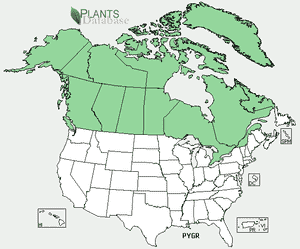
Largeflowered wintergreen (Pyrola grandiflora)
Also known as: Great Pyrola, Large-flowered Wintergreen
The largeflowered wintergreen is notable for its vibrant, large flowers and its evergreen leaves that endure harsh winter conditions. An interesting feature is that each flower has twice as many stamens as petals, which makes it particularly appealing to a wide range of pollinators.
In This Article
Attributes of Largeflowered wintergreen
Lifespan
Perennial
Plant Type
Herb
Plant Height
15-30 cm
Spread
The plant does not form a crown; leaves form a basal rosette.
Leaf Color
Dark green
Flower Size
1-1.5 cm
Flower Color
White to pink
Images of Largeflowered wintergreen
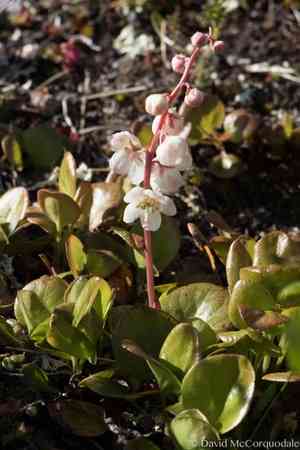
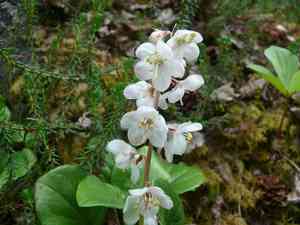
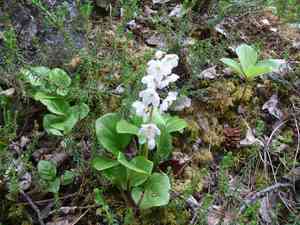
Quickly Identify Largeflowered wintergreen
1
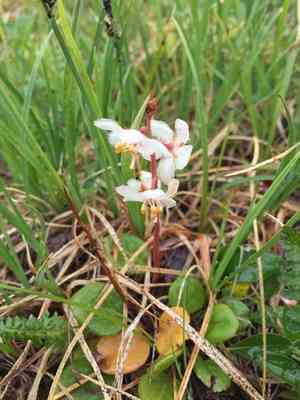
Pyrola grandiflora can be identified by its round, basal leaves and tall flowering stems bearing a few to several nodding, bell-shaped flowers. The petals are typically white to pink, and the stamens are conspicuously exerted.
Scientific Classification of Largeflowered wintergreen
Phylum
Vascular plants
Class
Dicotyledons
Order
Ericales
Family
Heath
Genus
Wintergreens
Species
Largeflowered wintergreen
Planting and Growing of Largeflowered wintergreen
Care Difficulty
Moderate
Watering Schedule
Every 2 days
Sunlight Requirements
Full shade
Sunshine Duration
6-12 hours
Ideal Temperature
60-75℉
Soil Type
Potting Mix, Peat Mix
Soil pH
5-6.5
Fertilizer Type
Balanced
Pruning Season
Spring, Summer
Pruning Area
Branches, Leaves
Pruning Frequency
2 times a year
Repotting Season
Spring
Pot Type
Plastic, Ceramic
 How to Water Largeflowered wintergreen?
When watering Pyrola grandiflora, aim to deeply saturate the soil until moisture reaches the roots without leaving standing water. It generally requires around 150 milliliters per watering session, based on factors such as pot size and plant conditions.
What are the symptoms of an underwatered Largeflowered wintergreen?
›
What should I do if my Largeflowered wintergreen is not getting enough water?
›
What are the symptoms of an overwatered Largeflowered wintergreen?
›
How to save an overwatered Largeflowered wintergreen?
›
 What Are the Sunlight Requirements for Largeflowered wintergreen?
Pyrola grandiflora benefits from filtered, partial sun to full shade. This condition replicates its natural habitat, enabling optimal photosynthesis without exposure stress, promoting longevity and flowering.
Optimal Light Levels
›
Solution for Ideal Conditions
›
Benefits of Ideal Light
›
 What Is the Ideal Temperature Range for Largeflowered wintergreen?
The optimal temperature range for Pyrola grandiflora growth is between 60°F and 75°F. Within this range, the plant experiences the best conditions for photosynthesis, nutrient uptake, and overall growth. Maintaining temperature within these limits ensures healthy foliage and vibrant blooming periods.
 What Soil is Best for Largeflowered wintergreen?
Pyrola grandiflora thrives in soil that retains moderate moisture. This ability to hold moisture is crucial for encouraging consistent growth and lush foliage throughout the growth season, preventing the plant from wilting during dry spells. This plant favors a nutrient-rich soil composition that supports its development. Such soil ensures the plant receives the necessary nutrients for vibrant blooms and healthy root expansion, providing robust resilience against pests and diseases. Well-draining soil prevents waterlogging, which can easily harm Pyrola grandiflora’s roots. It ensures that excess water swiftly exits the root zone, reducing the risks of root rot and promoting optimal oxygenation around the roots.
 How to Fertilize Largeflowered wintergreen?
For Pyrola grandiflora, it is essential to apply fertilizer sparingly, ensuring the plant isn't overwhelmed. A quarter of the recommended dose for similar-sized plants is ideal. This allows for gentle feeding that contributes to healthy growth without risking nutrient overload.
 How to Prune Largeflowered wintergreen?
Begin by inspecting the plant for any dead or discolored leaves and flower spikes. Use clean, sharp scissors or pruning shears to remove these parts, cutting as close to the base without damaging healthy tissue. Trim back any overly long stems to encourage a bushier appearance. Be gentle with stems and foliage, as this plant is sensitive to damage. After the preliminary pruning, focus on thinning out the plant by selectively removing a few inner branches to enhance air circulation. This step is crucial to prevent fungal disease and allows more sunlight to permeate the inner areas of the plant, encouraging denser growth.
More About Pruning Techniques→
 How to Propagate Largeflowered wintergreen plant?
1
Fill seed trays with a high-quality seed-starting mix. Moisten the mix thoroughly but ensure it is not waterlogged. This provides a suitable environment for seed germination, supporting optimal growth conditions.
2
Sow Pyrola grandiflora seeds on the surface of the moist seed-starting mix. Lightly press them into the surface without covering them, as they require light for germination.
3
Carefully dig up mature Pyrola grandiflora plants. Split the plant into sections with at least one growing bud each, ensuring roots remain intact. Replant immediately to minimize stress.
 How to Repot Largeflowered wintergreen plant?
1
Observe for signs such as yellowing leaves, stunted growth, or overcrowded roots pushing out of the pot. These signals are indicators that the Pyrola grandiflora requires a fresh environment to thrive and should be repotted.
2
Select a pot that is slightly larger than the current one with ample drainage holes. This prevents waterlogging and ensures the roots have enough space to expand healthily, preventing root bound conditions.
3
Use a well-draining, acidic soil mix. This type of soil closely mimics the plant's natural habitat and provides the necessary aeration and nutrient profile, promoting robust growth.



