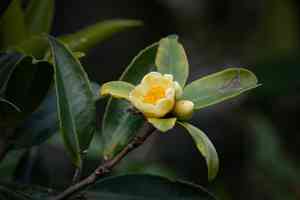
Common tutcheria (Pyrenaria spectabilis)
Also known as: False camellia, Queen Camellia
The most distinctive feature of the common tutcheria is the large, delightful, fried egg-like flowers that this tree produces every autumn. This explains its scientific name, *Pyrenaria spectabilis* meaning "showy" or "remarkable" in Latin. They made this evergreen spectacular enough to be included in glasshouse collections in Great Britain, Belgium, and China.
In This Article
Attributes of Common tutcheria
Lifespan
Perennial
Plant Type
Tree
Plant Height
5 m to 15 m
Spread
5-10 meters
Leaf Color
Dark green
Flower Size
5 cm to 7 cm
Flower Color
White Yellow
Images of Common tutcheria
Quickly Identify Common tutcheria
1
Pyrenaria spectabilis can be identified by its glossy, dark green leaves and large, conspicuous flowers that range from white to pink. Its bark is smooth and gray, and mature trees have a distinctive elegant shape.
Scientific Classification of Common tutcheria
Phylum
Vascular plants
Class
Dicotyledons
Order
Ericales
Family
Tea
Genus
Pyrenaria
Species
Common tutcheria
Planting and Growing of Common tutcheria
Care Difficulty
Hard
Watering Schedule
Every 2 days
Sunlight Requirements
Partial sun
Sunshine Duration
6-8 hours
Ideal Temperature
60-75℉
Soil Type
Potting Mix, Peat Mix
Soil pH
6.5-7.5
Fertilizer Type
Balanced
Pruning Season
Spring, Summer
Pruning Area
Branches, Leaves
Pruning Frequency
2 times a year
Repotting Season
Spring
Pot Type
Plastic, Ceramic
 How to Water Common tutcheria?
For Pyrenaria spectabilis, it's important to water until the soil is thoroughly moist but not soggy, ensuring that excess water can drain away. The entire root system should be gently hydrated to promote optimal growth and vitality.
What are the symptoms of an underwatered Common tutcheria?
›
What should I do if my Common tutcheria is not getting enough water?
›
What are the symptoms of an overwatered Common tutcheria?
›
How to save an overwatered Common tutcheria?
›
 What Are the Sunlight Requirements for Common tutcheria?
Pyrenaria spectabilis flourishes under partial sun to full shade. The ideal light aids in maintaining healthy growth cycles, vibrant foliage, and increased resistance to environmental stressors.
How much sunlight does Pyrenaria spectabilis need?
›
How to ensure Pyrenaria spectabilis gets ideal sunlight?
›
What benefits does ideal sunlight provide to Pyrenaria spectabilis?
›
 What Is the Ideal Temperature Range for Common tutcheria?
The ideal temperature range for nurturing Pyrenaria spectabilis is between 60°F to 75°F. Maintaining this range ensures optimal growth and health as it mimics the conditions of its native habitat. This range allows for efficient photosynthesis and nutrient uptake, contributing to vibrant foliage and potential flowering.
 What Soil is Best for Common tutcheria?
Pyrenaria spectabilis thrives in soil that offers excellent drainage. This prevents waterlogging, which can lead to root rot, and ensures that the roots receive adequate oxygen. Rich, loamy soil that contains organic matter is essential for Pyrenaria spectabilis as it provides the nutrients needed for optimal growth. The additional nutrients support strong plant structures and vibrant foliage. While good drainage is vital, a certain level of moisture retention is also necessary. This ensures that the plant remains hydrated during dry spells, promoting sustained growth.
 How to Fertilize Common tutcheria?
The Pyrenaria spectabilis requires a balanced amount of nutrients. For liquid fertilizers, a concentration of 1/4 of the recommended dose is optimal. For slow-release fertilizers, use a thin layer that should not exceed 30 grams per plant annually.
 How to Prune Common tutcheria?
Start by cutting away any dead or diseased branches to promote the health of Pyrenaria spectabilis, and improve air circulation throughout the plant. Trim back any overly long branches to maintain a balanced shape. Make your cuts above a leaf node, encouraging new growth to sprout in the desired direction. Prune after flowering to remove old blooms. This will direct the plant's energy into producing a fresh batch of vibrant flowers in the next cycle.
More About Pruning Techniques→
 How to Propagate Common tutcheria plant?
1
Collect seeds from mature Pyrenaria spectabilis plants. Clean and dry them properly before sowing to prevent fungal infections and enhance germination rates.
2
Fill seed trays with a well-draining potting mix. Sow the seeds on the surface and cover lightly with soil. Maintain consistent moisture and warmth to encourage germination.
3
During early spring, cut a healthy, disease-free stem from the parent plant using pruning shears. Ensure the cutting is about 4-6 inches long with at least two nodes for optimal root growth.
 How to Repot Common tutcheria plant?
1
You should consider repotting Pyrenaria spectabilis when you notice roots emerging from the drainage holes or the plant is outgrowing its current container. Another signal is if the soil is compacted or the plant shows stunted growth. These are clear indicators that it's time for a new pot and fresh soil.
2
Select a pot that is slightly larger than the current one, offering enough room for root growth. It should have ample drainage holes to prevent waterlogging. A pot that's too big can lead to over-watering issues, while a pot that's too small might stifle root expansion. A correctly sized pot promotes healthy growth and stability.
3
Opt for a well-draining acidic soil mix to accommodate Pyrenaria spectabilis's preferences. Such soil prevents root rot and promotes proper nutrient uptake. The ideal soil mix should retain some moisture but avoid retaining excess water to ensure the roots remain healthy and vigorous.
Learn More About Common tutcheria Diseases
Anthracnose
Bacterial Leaf Spot
Black Spot
Chemical Injury
Crown Gall
Damping-off
Downy Mildew
Drought Stress
Fusarium Wilt
Gray Mold
Leaf Spot
Mosaic
Nutrient Deficiency
Nutrient Toxicity
Powdery Mildew
Root Rot
Root-knot Nematode
Rusts
Sooty Mold
Spider Mites
Temperature Stress
Thrips Damage
White Mold



