
Firethorns (Pyracantha) (Pyracantha)
Also known as: Firethorn
Firethorns, also known as Pyracantha, are sizable evergreen shrubs. They are characterized by their sharp thorns and vibrant red berries, which persist on the plant throughout the winter season. These berries offer a crucial food supply for birds when other sources are limited.
In This Article
Attributes of Firethorns (Pyracantha)
Lifespan
Perennial
Plant Height
3 m
Spread
3 m
Leaf Color
Dark green
Flower Size
0.2-0.4 inches (0.5-1 cm)
Flower Color
White
Images of Firethorns (Pyracantha)
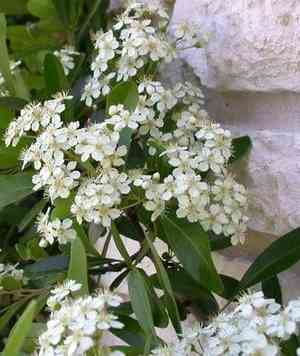
Quickly Identify Firethorns (Pyracantha)
1
Pyracantha can be identified by its thorny branches, white flowers in clusters during the spring, and the distinctive bright red or orange berries in the fall and winter. The leaves are small, glossy, and dark green.
Scientific Classification of Firethorns (Pyracantha)
Phylum
Magnoliophyta
Class
Magnoliopsida
Order
Rosales
Family
Rosaceae
Genus
Pyracantha
Planting and Growing of Firethorns (Pyracantha)
Care Difficulty
Easy
Watering Schedule
Every 4 days
Sunlight Requirements
Full sun
Sunshine Duration
6-10 hours
Ideal Temperature
60-75℉
Soil Type
Potting Mix, Peat Mix
Soil pH
6.5-7.5
Fertilizer Type
Balanced
Pruning Season
Spring, Summer
Pruning Area
Branches, Leaves
Pruning Frequency
2 times a year
Repotting Season
Spring
Pot Type
Plastic, Ceramic
 How to Water Firethorns (Pyracantha)?
When watering Pyracantha, it's crucial to ensure that the soil is evenly moist but not waterlogged. A good rule of thumb is to water until you see excess water draining from the bottom of the pot, which typically requires about 500ml of water per session for an average-sized plant.
What are the symptoms of an underwatered Firethorns (Pyracantha)?
›
What should I do if my Firethorns (Pyracantha) is not getting enough water?
›
What are the symptoms of an overwatered Firethorns (Pyracantha)?
›
How to save an overwatered Firethorns (Pyracantha)?
›
 What Are the Sunlight Requirements for Firethorns (Pyracantha)?
Pyracantha prefers full sun for 4 to 8 hours each day. Adequate light exposure enhances bushiness, vibrant foliage, and abundant berry clusters, bolstering health and aesthetic appeal while improving the plant's resilience against adverse conditions.
What is the ideal lighting condition for Pyracantha?
›
How can I achieve these ideal conditions?
›
What are the benefits of maintaining ideal light conditions for Pyracantha?
›
 What Is the Ideal Temperature Range for Firethorns (Pyracantha)?
The ideal temperature range for Pyracantha, also known as Firethorn, is between 60 and 75 degrees Fahrenheit. This range provides optimal conditions for growth and development, ensuring that the plant receives enough warmth without being exposed to potentially harmful heat or cold.
 What Soil is Best for Firethorns (Pyracantha)?
Pyracantha thrives best in well-draining soil, which prevents waterlogging and root rot, ensuring the roots have access to necessary air and nutrients. Proper drainage contributes to the plant's vigorous growth and abundant berry production. While well-draining soil is crucial, moderate moisture retention helps in maintaining a consistent water supply. This balance aids in reducing plant stress during dry spells, promoting better health and resilience. Soil rich in organic matter provides essential nutrients, fostering robust root development and overall plant health. This nutrient abundance supports Pyracantha's lush foliage and vibrant seasonal berries.
 How to Fertilize Firethorns (Pyracantha)?
For Pyracantha, it is generally recommended to apply a balanced fertilizer in spring. Use around 1-2 pounds per 100 square feet if using granular fertilizer. Make sure not to overdo to avoid nutrient burn.
 How to Prune Firethorns (Pyracantha)?
Begin by removing any dead or damaged branches with clean, sharp pruning shears. Focus on cutting these branches back to the main stem or a healthy new bud to encourage new growth and improve airflow. To maintain the desired shape, prune back any excessively long branches. Aim to cut just above an outward-facing bud to promote a bushier form. This not only keeps the plant looking neat but also ensures a balanced growth pattern. Thinning out the canopy involves selecting and removing crowded or crossing branches. This step is crucial as it allows more sunlight and air to reach the inner parts of the plant, reducing the risk of fungal infections.
 How to Propagate Firethorns (Pyracantha) plant?
1
Harvest Pyracantha seeds from mature berries in the early autumn. Be sure to clean the seed pulp thoroughly before storage or immediate planting to prevent decay.
2
Select healthy, semi-hardwood stems during early spring. Cut sections about 10-15 centimeters long, removing the lower leaves to expose nodes for root development.
3
Choose a low-growing branch in late spring, and partially bury it in the soil while still attached to the parent plant. Secure it with a pin and await root formation in several months.
 How to Repot Firethorns (Pyracantha) plant?
1
Look for signs like roots protruding out of drainage holes or a noticeable slowdown in growth, indicating that the Pyracantha needs more space. The early stages of growth in spring or autumn's gentle temperatures make these ideal seasons for repotting.
2
Select a pot that is about 2 inches larger in diameter than the current one, ensuring it has adequate drainage holes. This facilitates proper root aeration and drainage, preventing waterlogging, which can harm the plant.
3
Opt for well-draining loamy soil, enriched with organic matter to support root growth and nutrient uptake. This type of soil helps maintain appropriate moisture levels while preventing root rot and fostering a healthy root environment.
Toxicity
Ingestion, Contact with thorns
WARNING
The judgment on toxicity and danger is for reference only. We DO NOT GUARANTEE any accuracy of such judgment. Therefore, you SHALL NOT rely on such judgment. It is IMPORTANT TO SEEK PROFESSIONAL ADVICE in advance when necessary.

