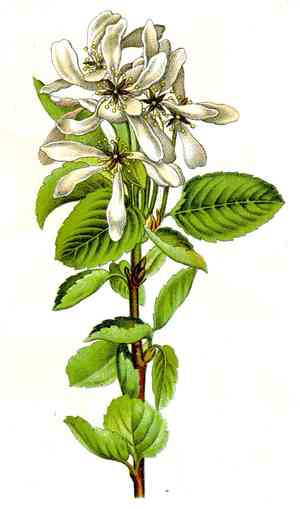
Formosa firethorn (Pyracantha koidzumii)
Also known as: Formosan Firethorn, Taiwanese Firethorn
The American beautyberry (Callicarpa americana) faces threats from habitat loss. Birds and butterflies are particularly attracted to this plant, thanks to its vibrant crimson berries. Despite its delicate appearance, it can serve well in landscapes as hedges, barriers, or standout specimen plants.
Attributes of Formosa firethorn
Images of Formosa firethorn
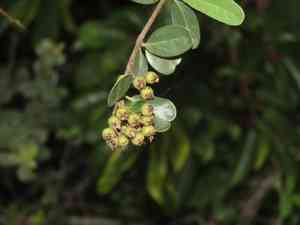
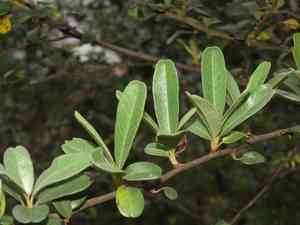

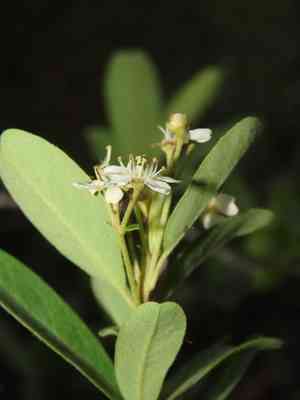
Quickly Identify Formosa firethorn
Scientific Classification of Formosa firethorn
Planting and Growing of Formosa firethorn
 How to Water Formosa firethorn?
 What Are the Sunlight Requirements for Formosa firethorn?
 What Is the Ideal Temperature Range for Formosa firethorn?
 What Soil is Best for Formosa firethorn?
 How to Fertilize Formosa firethorn?
 How to Prune Formosa firethorn?
 How to Propagate Formosa firethorn plant?
 How to Repot Formosa firethorn plant?
Toxicity of Formosa firethorn
Is Formosa firethorn toxic to humans?
The Formosa firethorn presents a moderate toxicity risk to humans, primarily through the consumption of its seeds. These seeds contain hydrogen cyanide, a substance recognized for its potential to induce poisoning. When consumed, the seeds of Formosa firethorn may cause symptoms such as breathing difficulties, dizziness, headaches, and nausea. In extreme situations, ingestion can lead to convulsions or even coma as a result of hydrogen cyanide disrupting the body's capacity to utilize oxygen. It is vital for individuals, particularly children who may be attracted to the vibrant berries, to refrain from eating the seeds to avert accidental poisoning.
Is Formosa firethorn toxic to cat?
The Formosa firethorn presents a mild risk to feline well-being, especially when seeds are inadvertently consumed. This plant contains hydrogen cyanide, which can lead to mild toxicity in cats. Pet owners must remain alert while their pets are near the formosa firethorn to avoid any ingestion, as consuming the seeds can cause signs of physical distress. If there is a suspicion that a cat has ingested formosa firethorn, seeking immediate veterinary assistance is essential for appropriate care and intervention.
Is Formosa firethorn toxic to dog?
The Formosa firethorn presents a slight toxicity hazard to dogs, particularly when they inadvertently consume the plant. The seeds of this plant harbor the toxic compound hydrogen cyanide, which can result in poisoning upon ingestion. Dog owners must remain alert, as pets may inadvertently eat these plant components. Signs of poisoning in dogs might encompass vomiting, diarrhea, and abdominal discomfort. It is imperative for dog owners to closely observe their pets and seek immediate veterinary assistance if they suspect their dog has ingested any part of the Formosa firethorn. Timely treatment is critical to address any potential health complications stemming from exposure to this plant.



