
Nepalese firethorn (Pyracantha crenulata)
Also known as: Nepal firethorn
The shrub you are referring to is likely the Nepalese Firethorn (Pyracantha crenulata). This large, evergreen shrub is characterized by its thorny branches and vibrant red berries. The fruits persist through the winter months, providing an essential food source for birds.
In This Article
Attributes of Nepalese firethorn
Lifespan
Perennial
Plant Type
Shrub
Plant Height
3-6 meters
Spread
2-4 meters
Leaf Color
Dark green
Flower Size
0.5-1 cm
Flower Color
White
Images of Nepalese firethorn
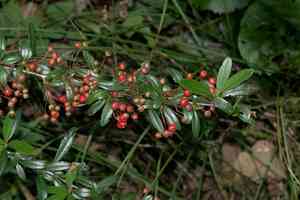
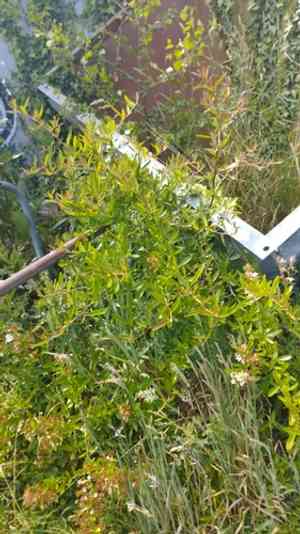
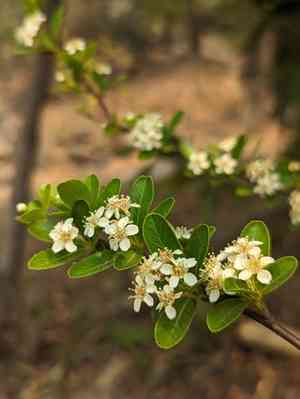
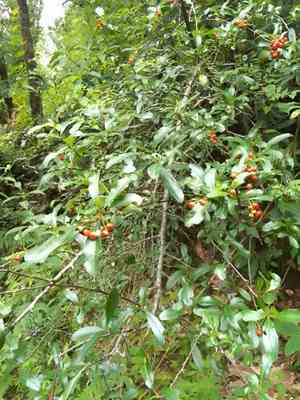
Quickly Identify Nepalese firethorn
1
Recognizable by its serrated leaves, thorny branches, and clusters of small, white flowers followed by vibrant red or orange berries.
Scientific Classification of Nepalese firethorn
Phylum
Vascular plants
Class
Dicotyledons
Order
Rosales
Family
Rose
Genus
Firethorns
Species
Nepalese firethorn
Planting and Growing of Nepalese firethorn
Care Difficulty
Easy
Watering Schedule
Every 4 days
Sunlight Requirements
Full sun
Sunshine Duration
4-8 hours
Ideal Temperature
60-75℉
Soil Type
Potting Mix, Peat Mix
Soil pH
6.5-7.5
Fertilizer Type
Balanced
Pruning Season
Spring, Summer
Pruning Area
Leaves, Branches
Pruning Frequency
2 times a year
Repotting Season
Spring
Pot Type
Plastic, Ceramic
 How to Water Nepalese firethorn?
Pyracantha crenulata, commonly known as Himalayan firethorn, requires a watering approach that ensures the soil is evenly moist but not waterlogged. A general guideline is to water until the top 2 inches of soil are consistently damp but not soggy. This is typically achieved with approximately 1000 milliliters per watering session, depending on the plant size and environmental conditions.
What are the symptoms of an underwatered Nepalese firethorn?
›
What should I do if my Nepalese firethorn is not getting enough water?
›
What are the symptoms of an overwatered Nepalese firethorn?
›
How to save an overwatered Nepalese firethorn?
›
 What Are the Sunlight Requirements for Nepalese firethorn?
Pyracantha crenulata benefits from environments with full to partial sunlight exposure. Ideal light encourages vigorous growth, vibrant coloring of leaves and berries, and improves plant resilience against pests and diseases.
Optimal Light Exposure
›
Solutions for Ideal Light
›
Benefits of Ideal Light Conditions
›
 What Is the Ideal Temperature Range for Nepalese firethorn?
Pyracantha crenulata thrives best in temperatures ranging from 60°F to 75°F. These conditions simulate their natural habitat, promoting healthy growth and vibrant fruiting. Maintaining this temperature range ensures that photosynthesis occurs efficiently, leading to robust plant health.
 What Soil is Best for Nepalese firethorn?
Pyracantha crenulata thrives best in well-drained soils where water does not pool. The roots get ample oxygen, which aids in preventing root rot and promotes vigorous growth. A soil enriched with organic matter supports the nutrient needs of Pyracantha crenulata, encouraging lush foliage and robust berry production. Compost or well-rotted manure can be added to boost fertility. The soil should retain adequate moisture without becoming waterlogged. This balance ensures the plant has access to necessary water while reducing the risk of fungal diseases.
 How to Fertilize Nepalese firethorn?
When fertilizing Pyracantha crenulata, the amount is crucial to avoid over or under-fertilization. Use 1/2 cup of balanced liquid fertilizer per plant for each application. For slow-release solid fertilizers, apply 3 cups evenly distributed around the base. Make sure to water thoroughly after fertilizing to encourage root absorption.
 How to Prune Nepalese firethorn?
Begin by examining the plant's natural shape. Determine which branches need removal or shortening to enhance the overall appearance and health of the plant. Use sharp, clean pruning shears to cut away any dead, damaged, or diseased branches. This prevents the spread of disease and encourages healthy new growth. Trim the plant to your desired shape by selectively cutting branches and twigs. Focus on maintaining an open structure that allows light and air to penetrate the center of the plant. After pruning, remove all cut branches and debris from around the plant. This will keep the area tidy and free from potential pests or diseases that could harm the plant.
More About Pruning Techniques→
 How to Propagate Nepalese firethorn plant?
1
Harvest ripe berries from a mature Pyracantha crenulata plant. Extract the seeds by crushing and washing the berries to remove the pulp.
2
Use pruning shears to cut 4-6 inch stems from a healthy plant. Remove the lower leaves to prevent rot and dip the cut end in rooting hormone.
3
Bend a low-growing branch to the soil, nick the underside, and cover with soil. Secure it with a peg and water regularly until roots form.
 How to Repot Nepalese firethorn plant?
1
Repot Pyracantha crenulata when you notice its roots starting to escape through the drainage holes or if the plant seems to outgrow its pot. A significant slowdown in growth despite adequate care, or the soil drying out too quickly, are clear signals that it’s time to repot.
2
Select a pot that is one size up from its current pot, ensuring better water retention and room for root expansion. Opt for a pot with drainage holes to prevent water accumulation, as soggy soil can harm the roots, leading to rot.
3
Opt for a well-draining potting mix enriched with organic matter. This type of soil ensures proper aeration and prevents waterlogging, promoting robust root growth. A mix of garden soil, coarse sand, and peat moss is ideal for this plant's needs.
Toxicity
Ingestion, Contact with thorns
WARNING
The judgment on toxicity and danger is for reference only. We DO NOT GUARANTEE any accuracy of such judgment. Therefore, you SHALL NOT rely on such judgment. It is IMPORTANT TO SEEK PROFESSIONAL ADVICE in advance when necessary.



