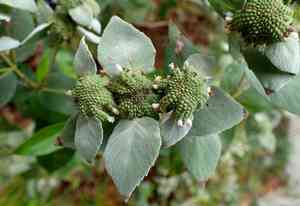
Blunt Mountainmint (Pycnanthemum muticum)
Also known as: Mountain Mint, Showy Mountain Mint
**Purple Coneflower (*Echinacea purpurea*)** is a perennial herb species native to the United States. This vibrant plant frequently draws in butterflies and other pollinators and flourishes in full sunlight. It is commonly seen in gardens and natural landscapes, known for its resilience and drought tolerance.
In This Article
Attributes of Blunt Mountainmint
Lifespan
Perennial
Plant Type
Herb
Plant Height
61 cm to 91 cm
Spread
90 cm
Leaf Color
Green
Flower Size
2.5 cm
Flower Color
Pink White
Images of Blunt Mountainmint
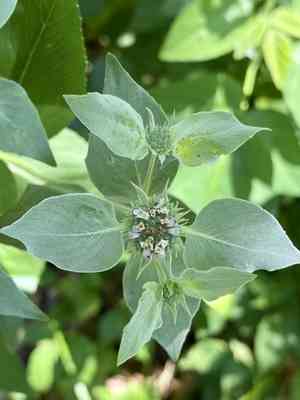
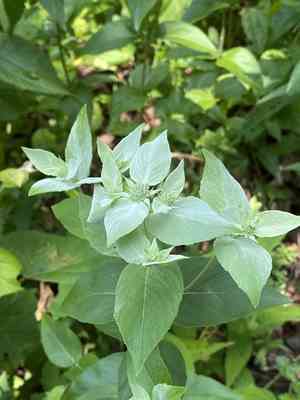
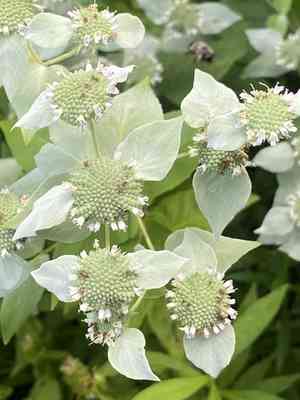
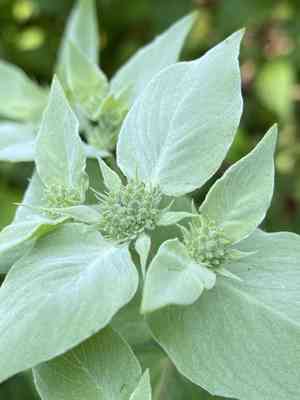
Quickly Identify Blunt Mountainmint
1
Robust growth reaching 2-3 feet (60-90 cm), with lance-shaped green leaves.
2
Distinct spearmint aroma when foliage is disturbed, adaptable to various soil conditions.
3
Clusters of small, whitish two-lipped flowers with delicate fragrance.
4
Small brown ellipsoid nutlets in dense clusters above foliage during fruiting season.
5
Square stem measuring 2-4 feet (60-120 cm) with opposite branching, green to reddish-green color.
Scientific Classification of Blunt Mountainmint
Phylum
Vascular plants
Class
Dicotyledons
Order
Lamiales
Family
Mint
Genus
Mountain mints
Species
Blunt Mountainmint
Planting and Growing of Blunt Mountainmint
Care Difficulty
Easy
Watering Schedule
Every 8 days
Sunlight Requirements
Partial sun
Sunshine Duration
6-10 hours
Ideal Temperature
70-75℉
Soil Type
Potting Mix, Peat Mix
Soil pH
6.5-7.5
Fertilizer Type
Balanced
Pruning Season
Spring, Summer
Pruning Area
Branches, Leaves
Pruning Frequency
2 times a year
Repotting Season
Spring
Pot Type
Plastic, Ceramic
 How to Water Blunt Mountainmint?
Pycnanthemum muticum appreciates consistent soil moisture without becoming waterlogged. Water thoroughly, ensuring the soil around the plant is uniformly damp but not soaked. Generally, 500 milliliters per watering session should suffice, depending on environmental conditions like temperature and humidity.
What are the symptoms of an underwatered Blunt Mountainmint?
›
What should I do if my Blunt Mountainmint is not getting enough water?
›
What are the symptoms of an overwatered Blunt Mountainmint?
›
How to save an overwatered Blunt Mountainmint?
›
 What Are the Sunlight Requirements for Blunt Mountainmint?
For Pycnanthemum muticum, a light range providing partial sun supports optimal photosynthesis and growth, enhancing its aromatic profile and ensuring healthy foliage development, crucial for its appeal and utility.
More About Sunlight Requirements Techniques→
How much light does Pycnanthemum muticum need?
›
What solutions exist for achieving ideal light conditions?
›
What are the benefits of ideal lighting for Pycnanthemum muticum?
›
 What Is the Ideal Temperature Range for Blunt Mountainmint?
Pycnanthemum muticum thrives best within an ideal temperature range of 70°F to 75°F. At these temperatures, the plant's cellular processes operate optimally, ensuring healthy growth and vibrant foliage. Maintaining consistent warmth within this range allows the plant to absorb nutrients efficiently and enhances its photosynthesis process.
 What Soil is Best for Blunt Mountainmint?
Pycnanthemum muticum thrives best in well-drained soil. Adequate drainage prevents root rot and enables robust root growth, directly enhancing the plant's vitality and flowering potential. While tolerant of some drought, consistent moisture levels ensure lush, healthy growth. Moist but not waterlogged soil supports nutrient uptake, aiding in plant health and vigor. Pycnanthemum muticum appreciates fertile soil enriched with organic matter. Nutrient-dense soil provides essential minerals for vigorous growth and abundant blooming.
 How to Fertilize Blunt Mountainmint?
For Pycnanthemum muticum, apply liquid fertilizer at a rate of 1/4 to 1/2 strength according to the manufacturer's instructions. Ensure that the concentration is diluted to prevent fertilizer burn. Solid slow-release fertilizers should follow the package directions, usually around one tablespoon per plant.
 How to Prune Blunt Mountainmint?
Start by identifying stems that are dead, damaged, or diseased. These should be removed first to prevent any infections from spreading. Use your shears to make clean cuts just above the main stem. After removing unwanted stems, focus on shaping the plant. Prune to maintain a round, bushy shape by trimming back overreaching or tall stems. Trim branches selectively to promote better air circulation. After pruning, water the plant adequately and consider adding a layer of mulch to help retain moisture. Monitor the plant for signs of distress and adjust the care regimen as needed.
More About Pruning Techniques→
 How to Propagate Blunt Mountainmint plant?
1
To propagate Pycnanthemum muticum from seeds, start by selecting high-quality seeds. Sow them in prepared seed trays filled with a well-draining potting mix. Lightly cover the seeds with soil and keep the tray in a warm, bright location to facilitate germination, ensuring the soil remains moist but not waterlogged.
2
When using cuttings, choose healthy, non-flowering shoots from the parent plant. Cut segments about 10-15 cm in length using sterilized pruning shears. Remove the lower leaves and dip the cut ends in rooting hormone before planting them in a well-draining rooting medium.
3
For division propagation, carefully dig up the mature plant ensuring not to damage the root system. Use a sharp knife to divide the root ball into sections, each having a number of shoots and roots. Replant the divisions immediately in a prepared garden bed or pot.
 How to Repot Blunt Mountainmint plant?
1
Look for signs like roots growing out of the drainage holes, slow growth, or if the potting mix is breaking down. These indicators suggest that it's time to give Pycnanthemum muticum a new home to ensure it continues to thrive.
2
Select a pot that is only slightly larger than the current one. It should have good drainage to prevent waterlogging, which can cause root rot. A bigger pot helps accommodate root growth without overwhelming the plant, ensuring its stability and health.
3
Opt for a well-draining potting mix. This ensures the roots are not sitting in water, reducing the risk of root rot and enhancing the plant’s overall health. It provides adequate aeration necessary for the robust growth of Pycnanthemum muticum.
Learn More About Blunt Mountainmint Diseases
Anthracnose
Bacterial Leaf Spot
Bacterial Soft Rot
Bacterial Wilt
Chemical Injury
Damping-off
Downy Mildew
Drought Stress
Fusarium Wilt
Gray Mold
Leaf Spot
Mosaic
Nutrient Deficiency
Nutrient Toxicity
Powdery Mildew
Root Rot
Root-knot Nematode
Rusts
Sooty Mold
Spider Mites
Temperature Stress
Thrips Damage
White Mold



