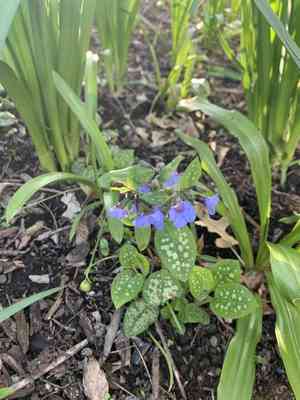
Lungworts (Pulmonaria) (Pulmonaria)
Also known as: Lungwort, Bethlehem Sage
Lungwort, a perennial plant, gets its name from the belief that its leaves resemble lung tissue. This plant is highly valued as groundcover in gardens due to its appealing, often spotted foliage and vibrant flowers that come in various colors. Additionally, Lungwort is a favorite among bees and other pollinators.
In This Article
Attributes of Lungworts (Pulmonaria)
Lifespan
Perennial
Plant Height
30 cm
Spread
50 cm
Leaf Color
Green with white or silver spots
Flower Size
0.5-1 inch
Flower Color
Blue, pink, white
Images of Lungworts (Pulmonaria)
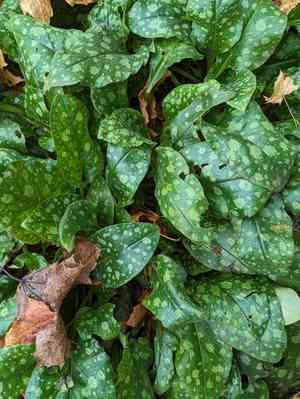
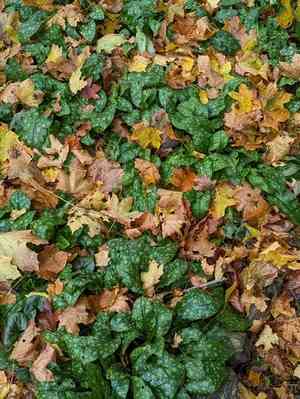
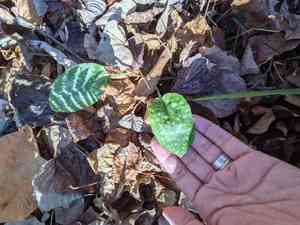
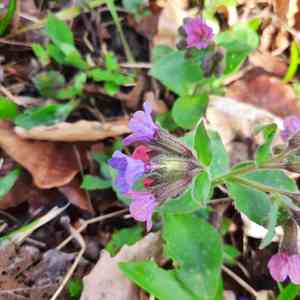
Quickly Identify Lungworts (Pulmonaria)
1
Pulmonaria can be identified by its distinctive basal rosette of spotted leaves and clusters of tubular flowers. Leaves often have white or silver spots, and flowers may change color as they age.
Scientific Classification of Lungworts (Pulmonaria)
Phylum
Magnoliophyta
Class
Magnoliopsida
Order
Boraginales
Family
Boraginaceae
Genus
Pulmonaria
Planting and Growing of Lungworts (Pulmonaria)
Care Difficulty
Easy
Watering Schedule
Every 3 days
Sunlight Requirements
Partial sun
Sunshine Duration
6-12 hours
Ideal Temperature
60-70℉
Soil Type
Potting Mix, Peat Mix
Soil pH
6.5-7.5
Fertilizer Type
Balanced
Pruning Season
Spring, Summer
Pruning Area
Branches, Leaves
Pruning Frequency
2 times a year
Repotting Season
Spring
Pot Type
Plastic, Ceramic
 How to Water Lungworts (Pulmonaria)?
When watering Pulmonaria, aim to thoroughly soak the soil with approximately 500 ml of water per session. Ensure that the water reaches the root zone but do not leave the soil soggy. Look for the top few inches of soil to be moist but not waterlogged, as excess water can lead to root rot.
What are the symptoms of an underwatered Lungworts (Pulmonaria)?
›
What should I do if my Lungworts (Pulmonaria) is not getting enough water?
›
What are the symptoms of an overwatered Lungworts (Pulmonaria)?
›
How to save an overwatered Lungworts (Pulmonaria)?
›
 What Are the Sunlight Requirements for Lungworts (Pulmonaria)?
Partial sun ensures that Pulmonaria obtains enough light to thrive without burning. Under these conditions, the plant can maintain its beautiful foliage and increase its chances of abundant flowering.
What is the ideal lighting environment for Pulmonaria?
›
How can Pulmonaria benefit from ideal lighting?
›
Are there particular lighting times beneficial for Pulmonaria?
›
 What Is the Ideal Temperature Range for Lungworts (Pulmonaria)?
Pulmonaria thrives best in temperatures ranging from 60°F to 70°F. These temperatures provide an ideal environment for the plant’s physiological processes, including photosynthesis and respiration, which can be optimized for healthy growth. In this range, the plant will be less susceptible to diseases and stress, promoting lush foliage and vibrant blooms. Any significant deviation from these conditions could result in slowed growth and potential damage to the plant.
 What Soil is Best for Lungworts (Pulmonaria)?
Pulmonaria thrives in well-draining soil, as excessive moisture can lead to root rot. Ensuring good drainage allows the roots to breathe, promotes healthy growth, and helps prevent fungal diseases. Pulmonaria prefers soil that retains some moisture but is not waterlogged. Adequate moisture levels ensure the plant remains hydrated, improving foliage freshness and overall plant vigor. Rich, organic soil supports Pulmonaria's growth by providing essential nutrients. Incorporating compost or organic matter enhances soil fertility, leading to lush foliage and vibrant blooms.
 How to Fertilize Lungworts (Pulmonaria)?
Pulmonaria appreciates a moderate amount of fertilizer. Applying too much can lead to more harm than good. A balanced 10-10-10 or 5-10-10 liquid fertilizer, diluted to half strength, used once every two weeks during the growing season is ideal.
 How to Prune Lungworts (Pulmonaria)?
Pulmonaria, also known as lungwort, requires the removal of old, spent blooms to encourage new growth. Begin by locating foliage with wilted flowers; these are your targets for cutting. Use sharp pruning shears to gently snip these at the base to keep the plant tidy and promote more vibrant flowering. If you notice that your Pulmonaria has developed shaggy, discolored leaves, it's time for a haircut! Trim away any brown, dried, or damaged leaves to refocus the plant's energy on healthy parts. This will not only refresh its appearance but also sustain its energy for new leaf growth. Pulmonaria can develop wild, unruly growth over time. To maintain its aesthetic charm, consider lightly shaping the plant using precise cuts around the edges. While shaping, ensure to follow the plant’s natural structure to avoid excessive removal, which can stress it.
 How to Propagate Lungworts (Pulmonaria) plant?
1
To propagate Pulmonaria from seeds, begin by collecting mature seeds from the plant. Clean them and allow them to dry before sowing. It's beneficial to stratify seeds by placing them in a moist paper towel inside a plastic bag in the refrigerator for 4–6 weeks to simulate winter conditions and break dormancy.
2
Division should be done in early spring when new growth starts. Gently dig up the entire clump, then use a sharp tool to separate it into smaller sections, each containing roots and shoots. Replant the divisions immediately in well-prepared soil.
3
Once propagation is performed, either through seeds or division, plant the individuals at their desired location or containers. Ensure they are planted at the appropriate depth and water them thoroughly to settle the soil and help reduce transplant shock.
 How to Repot Lungworts (Pulmonaria) plant?
1
Repot Pulmonaria when its roots become visible through the drainage holes or when growth significantly slows. These signs indicate that the plant has outgrown its current container and is in need of more room to thrive.
2
Select a pot that is 2 inches larger in diameter than the current one. This ensures adequate space for root development while preventing the risk of excess moisture that may occur in a container that is too large.
3
Opt for a loamy soil blend that retains moisture but drains well. This provides the right balance of aeration and moisture retention, which is crucial for Pulmonaria's overall health and growth.

