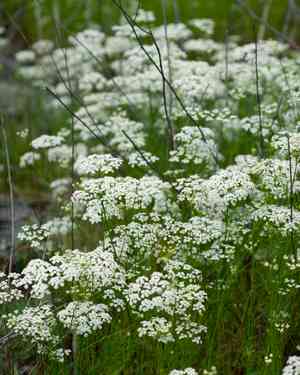
Laceflower (Ptilimnium nuttallii)
Also known as: Nuttall's bishopweed, Nuttall's mock bishopweed
The Laceflower (Ammi majus) is notable for its intricate, fern-like leaves and clusters of small, white flowers that form lacy, umbrella-shaped arrangements. It typically thrives in well-drained soils and prefers sunny to partially shaded areas, such as meadows, fields, and roadsides. Originating from the Mediterranean, it has adapted to various environments across the globe. Its delicate foliage and airy flower clusters make it a popular choice for wildflower gardens and floral decorations.
In This Article
Attributes of Laceflower
Lifespan
Annual
Plant Type
Herb
Plant Height
30 cm to 91 cm
Spread
N/A
Leaf Color
Green
Flower Size
2-4 mm
Flower Color
White
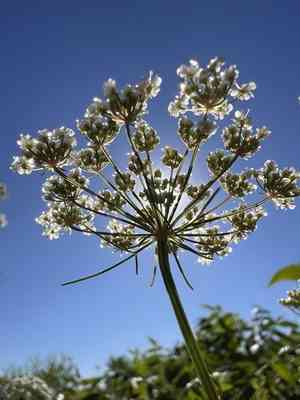
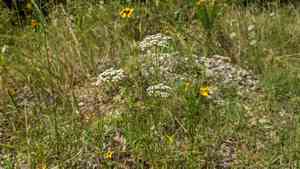
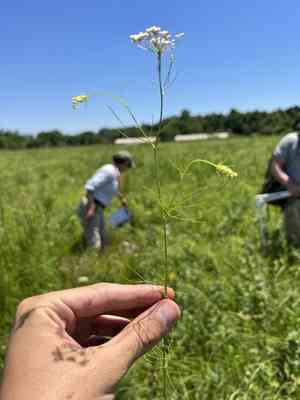
Images of Laceflower
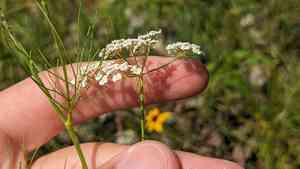
Quickly Identify Laceflower
1
Ptilimnium nuttallii can be identified by its finely divided, thread-like leaves and the presence of small, white, umbel-shaped flowers. The plant also has a distinctly slender, branching stem and is typically found in wetland areas.
Scientific Classification of Laceflower
Phylum
Vascular plants
Class
Dicotyledons
Order
Apiales
Family
Umbellifers
Genus
Mock bishop's weed
Species
Laceflower
Planting and Growing of Laceflower
Care Difficulty
Easy
Watering Schedule
Every 2 days
Sunlight Requirements
Full sun
Sunshine Duration
4-6 hours
Ideal Temperature
65-75℉
Soil Type
Potting Mix, Peat Mix
Soil pH
6.5-7.5
Fertilizer Type
Balanced
Pruning Season
Spring, Summer
Pruning Area
Branches, Leaves
Pruning Frequency
2 times a year
Repotting Season
Spring
Pot Type
Plastic, Ceramic
 How to Water Laceflower?
For Ptilimnium nuttallii, ensure the soil is thoroughly moistened to about 250 milliliters per watering session. Water should be applied until it begins to drain from the bottom of the pot, indicating that it has reached the root zone without being excessive.
What are the symptoms of an underwatered Laceflower?
›
What should I do if my Laceflower is not getting enough water?
›
What are the symptoms of an overwatered Laceflower?
›
How to save an overwatered Laceflower?
›
 What Are the Sunlight Requirements for Laceflower?
Full sun, ensuring about 6 to 8 hours of unfiltered sunlight daily, contributes to healthy growth. Ideal light conditions enable efficient energy management and optimized flowering cycles.
What amount of sunlight is ideal for Ptilimnium nuttallii?
›
Why is direct sunlight important for Ptilimnium nuttallii?
›
What are some solutions for ensuring ideal sunlight exposure for this plant?
›
 What Is the Ideal Temperature Range for Laceflower?
Ptilimnium nuttallii thrives in a moderate temperature range. The optimal temperatures for its growth are between 65°F and 75°F. At these temperatures, the plant maintains healthy metabolic functions and shows optimal growth rates. Consistent exposure to these conditions enables the plant to thrive, grow vigorously, and reproduce effectively.
 What Soil is Best for Laceflower?
Ptilimnium nuttallii thrives in well-drained soil, which prevents root rot and ensures the plant can access the oxygen it needs. This soil type mimics its natural habitat and encourages healthy growth. This plant benefits from a nutrient-rich growing medium that supports its development and promotes vigorous foliage. Providing such soil aids in sustaining the plant's vibrant growth cycle and enhances blooming potential. Maintaining consistent soil moisture is crucial as Ptilimnium nuttallii requires adequate hydration without waterlogging. This balance is vital for preventing stress and ensuring the plant's health.
 How to Fertilize Laceflower?
Ptilimnium nuttallii, also known as Nuttall's mock bishopweed, requires moderate fertilization to ensure healthy growth. Use a balanced fertilizer diluted to half strength for liquid applications. For solid fertilizers, use 1 tablespoon per plant, evenly distributed around the base. Over-fertilization can lead to poor growth, so moderation is key.
 How to Prune Laceflower?
Begin by identifying any dead, diseased, or damaged stems. These should be pruned first to prevent the spread of disease and to promote healthy growth. Make clean cuts at the base of affected stems, ensuring no stubs remain. After removing unhealthy stems, focus on shaping the plant. Trim back overgrown areas to maintain a pleasing and balanced appearance. If your plant is becoming too large, cut back some of the longer branches to encourage a fuller shape. To promote new growth, make strategic cuts just above a leaf node. This technique encourages the plant to produce multiple new branches, leading to a bushier appearance and enhanced floral displays when in bloom. After pruning, collect and dispose of all plant debris. Leaving clippings on the soil surface can lead to pest infestations and diseases, which can harm the plant. Keeping the base clean ensures the plant remains healthy and vigorous.
More About Pruning Techniques→
 How to Propagate Laceflower plant?
1
Choose mature and healthy seeds by visually inspecting them for size, color, and any obvious signs of damage. This ensures a higher germination rate and robust seedlings.
2
Evenly spread seeds across a moistened seed tray filled with potting mix, pressing them slightly into the soil. Cover lightly with soil or sand to protect them while ensuring they receive adequate light exposure.
3
Immediately water the seeds gently to avoid displacing them. Maintain consistent moisture by lightly misting as necessary to keep the soil damp but not waterlogged.
 How to Repot Laceflower plant?
1
Repot Ptilimnium nuttallii when it shows signs like roots protruding from drainage holes or reduced growth due to being root-bound. These are clear indicators that the plant needs fresh soil or a larger pot to thrive.
2
Opt for a pot one size larger with good drainage. This prevents waterlogging, encouraging root aeration while providing enough space for the roots to expand, promoting healthier growth.
3
Use a loamy, well-draining soil mix. This type of soil retains enough moisture for the plant's needs but drains excess water effectively, preventing root rot and encouraging a robust root system.
Toxicity
Ingestion, Contact
WARNING
The judgment on toxicity and danger is for reference only. We DO NOT GUARANTEE any accuracy of such judgment. Therefore, you SHALL NOT rely on such judgment. It is IMPORTANT TO SEEK PROFESSIONAL ADVICE in advance when necessary.
Learn More About Laceflower Diseases
Anthracnose
Bacterial Leaf Spot
Bacterial Soft Rot
Bacterial Wilt
Chemical Injury
Damping-off
Downy Mildew
Drought Stress
Fusarium Wilt
Gray Mold
Leaf Spot
Mosaic
Nutrient Deficiency
Nutrient Toxicity
Powdery Mildew
Root Rot
Root-knot Nematode
Rusts
Sooty Mold
Spider Mites
Temperature Stress
Thrips Damage
White Mold


