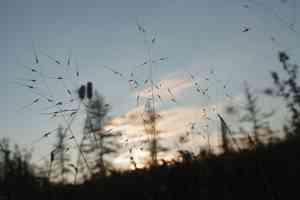
Colorado false needle grass (Ptilagrostis mongholica)
Also known as: Mongolian Needlegrass
Chilean needlegrass, named for Chile, has become naturalized in the northwestern United States, where it often grows as an invasive species.
In This Article
Attributes of Colorado false needle grass
Lifespan
Perennial
Plant Type
Herb
Plant Height
20 cm to 60 cm
Spread
N/A
Leaf Color
Green
Flower Size
N/A
Flower Color
Yellow Green Brown
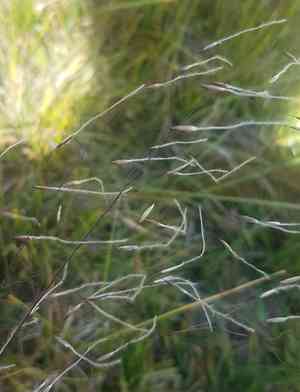
Images of Colorado false needle grass
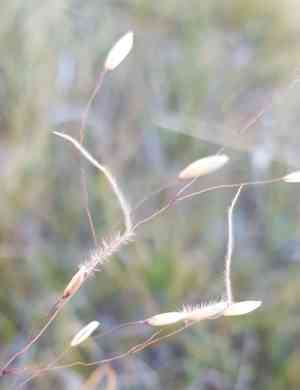
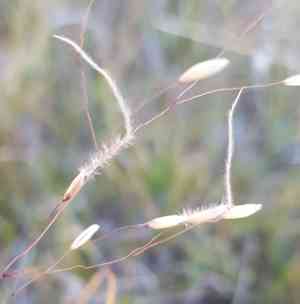
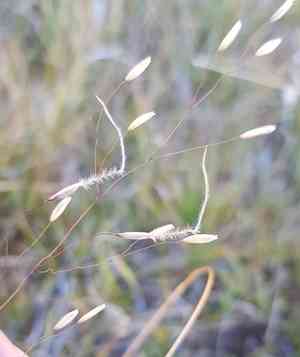
Quickly Identify Colorado false needle grass
1
This species can be identified by its slender, tightly packed spikelets, along with its height and leaf blade characteristics. The inflorescences are typically loose and open.
Scientific Classification of Colorado false needle grass
Phylum
Vascular plants
Class
Monocotyledons
Order
Poales
Family
Grass
Genus
False Needlegrasses
Species
Colorado false needle grass
Planting and Growing of Colorado false needle grass
Care Difficulty
Easy
Watering Schedule
Every 3 days
Sunlight Requirements
Partial sun
Sunshine Duration
4-8 hours
Ideal Temperature
60-75℉
Soil Type
Potting Mix, Peat Mix
Soil pH
6.5-7.5
Fertilizer Type
Balanced
Pruning Season
Spring, Summer
Pruning Area
Branches, Leaves
Pruning Frequency
2 times a year
Repotting Season
Spring
Pot Type
Plastic, Ceramic
 How to Water Colorado false needle grass?
Water Ptilagrostis mongholica with approximately 200 ml each session. Ensure that the soil feels moist to the touch but not waterlogged. This plant prefers moderate watering, so the soil should remain relatively balanced between wet and dry without extremes.
What are the symptoms of an underwatered Colorado false needle grass?
›
What should I do if my Colorado false needle grass is not getting enough water?
›
What are the symptoms of an overwatered Colorado false needle grass?
›
How to save an overwatered Colorado false needle grass?
›
 What Are the Sunlight Requirements for Colorado false needle grass?
Ptilagrostis mongholica prefers partial sun, ideally receiving morning sunshine and shielded from the intense midday rays, enhancing its growth, color, and resilience.
What is the ideal light exposure?
›
How to achieve the ideal light conditions?
›
What are the benefits of ideal light exposure?
›
 What Is the Ideal Temperature Range for Colorado false needle grass?
Ptilagrostis mongholica thrives best in moderate climates with temperatures ranging from 60°F to 75°F. These conditions mimic its native high-altitude habitats where the temperature is stable, ensuring optimum growth and metabolic function.
 What Soil is Best for Colorado false needle grass?
Ptilagrostis mongholica thrives in well-drained soil, which prevents waterlogging around the roots. This is crucial as good drainage helps in healthy root development, reducing the risk of root rot and ensuring access to nutrients. This plant requires soil with moderate fertility, as overly rich soil can lead to excessive foliage at the expense of flower production. Balanced nutrition promotes optimal growth and flowering. While the soil should be well-drained, it should also retain enough moisture to sustain the plant through dry periods, ensuring consistent growth and reducing stress from drought conditions.
 How to Fertilize Colorado false needle grass?
For Ptilagrostis mongholica, it's essential to provide adequate nutrients to support its growth and vitality. Use a balanced liquid fertilizer diluted to half strength. Typically, around 50 ml per plant is sufficient for liquid applications, while solid granules should be spread evenly around the plant base at about 30 grams per application.
 How to Prune Colorado false needle grass?
Begin by identifying and cutting away any dead or damaged stems. This encourages the growth of new, healthy shoots and prevents potential disease spread. Ensure cuts are made at a slight angle to promote water runoff and prevent rot. Trim back overgrown sections to maintain the plant's shape and size. This not only enhances its visual appeal but also promotes good airflow, reducing the likelihood of fungal infections. Try to keep a uniform shape for consistent growth.
More About Pruning Techniques→
 How to Propagate Colorado false needle grass plant?
1
Choose a well-draining soil mix and fill the seed trays or pots. If using division, prepare the planting area with compost to enrich the soil.
2
For seed propagation, evenly scatter seeds over the soil surface. Lightly press them into the soil and cover with a thin layer of soil mix; ensure seeds are moist, not waterlogged.
3
When dividing, gently remove the plant from its pot or ground, clean off excess soil from the roots, and separate sections with roots, ensuring each has enough shoots for regrowth.
 How to Repot Colorado false needle grass plant?
1
Repot when you notice the roots are starting to grow out of the drainage holes or the plant looks root-bound. Additionally, if the soil is depleting in nutrients or becomes compacted, it’s time for a change. Spring and summer are optimal as they provide conducive growth conditions post-repotting.
2
Select a pot slightly larger than the current one, with 1-2 inches more diameter. Ensure it has adequate drainage holes to prevent waterlogging. A slightly bigger pot allows the roots room to grow and helps in maintaining the plant's health and vigor.
3
Opt for a well-draining sandy soil mix that mimics its natural habitat. This choice helps in retaining essential nutrients while allowing excess water to drain away, preventing root rot and promoting healthy root development.



