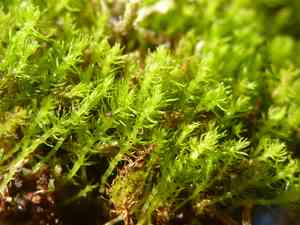
Ovate pterygoneurum moss (Pterygoneurum ovatum)
Also known as: Pyramidal moss
Ovate pterygoneurum moss, a small moss species, thrives in arid, exposed environments by forming dense, green to yellowish mats. Its minute, overlapping leaves, which look like scales, effectively reduce moisture loss. This adaptation enables the moss to endure prolonged sunlight and varying environmental conditions.
In This Article
Attributes of Ovate pterygoneurum moss
Lifespan
Perennial
Plant Height
1-3 cm
Spread
Not applicable (as it forms a carpet-like layer)
Leaf Color
Green
Flower Size
Not applicable (mosses do not have flowers)
Flower Color
Not applicable
Images of Ovate pterygoneurum moss
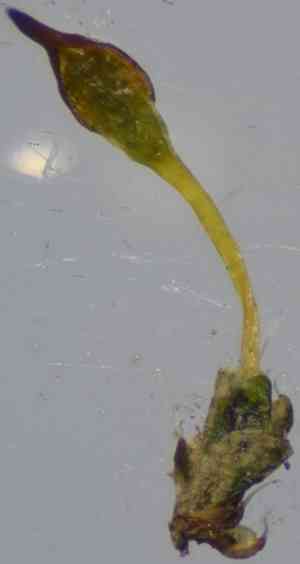
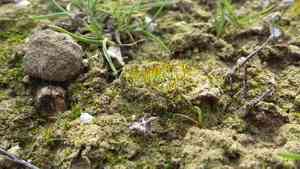
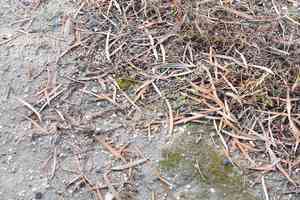
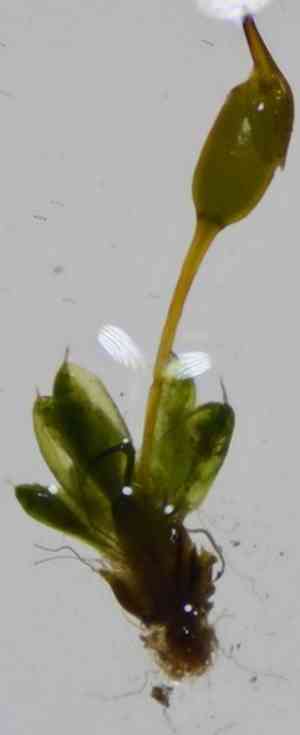
Quickly Identify Ovate pterygoneurum moss
1
To identify Pterygoneurum ovatum, look for its compact, cushion-like growth habit and ovate leaves. The presence of a distinct, single costa (leaf vein) running through the center of each leaf is a key characteristic. Also, this moss tends to grow in dry, exposed habitats which can help in its identification.
Scientific Classification of Ovate pterygoneurum moss
Phylum
Bryophyta
Class
Bryopsida
Order
Pottiales
Family
Pottiaceae
Genus
Pterygoneurum
Planting and Growing of Ovate pterygoneurum moss
Care Difficulty
Moderate
Watering Schedule
Every 2 days
Sunlight Requirements
Partial sun
Sunshine Duration
6-10 hours
Ideal Temperature
60-75℉
Soil Type
Potting Mix, Peat Mix
Soil pH
6.5-7.5
Fertilizer Type
Balanced
Pruning Season
Spring, Summer
Pruning Area
Branches, Leaves
Pruning Frequency
Once a year
Repotting Season
Spring
Pot Type
Plastic, Ceramic
 How to Water Ovate pterygoneurum moss?
Pterygoneurum ovatum requires moderate watering. Aim to thoroughly moisten the soil, allowing it to dry out between waterings. Ensure the soil is damp to a depth of at least 5 cm.
What are the symptoms of an underwatered Ovate pterygoneurum moss?
›
What should I do if my Ovate pterygoneurum moss is not getting enough water?
›
What are the symptoms of an overwatered Ovate pterygoneurum moss?
›
How to save an overwatered Ovate pterygoneurum moss?
›
 What Are the Sunlight Requirements for Ovate pterygoneurum moss?
Being a plant that prefers partial sun, Pterygoneurum ovatum benefits from about 4 to 6 hours of sunlight daily. Adequate light exposure leads to better color, growth, and overall plant health.
What is the ideal sunlight exposure for Pterygoneurum ovatum?
›
How can I ensure Pterygoneurum ovatum gets its ideal sunlight?
›
What benefits does ideal sunlight provide to Pterygoneurum ovatum?
›
 What Is the Ideal Temperature Range for Ovate pterygoneurum moss?
The ideal temperature range for Pterygoneurum ovatum is between 60°F and 75°F. Within this range, the plant performs optimally, exhibiting healthy growth and vibrant color. This temperature range mimics its natural environment and supports processes such as photosynthesis and respiration efficiently.
 What Soil is Best for Ovate pterygoneurum moss?
Pterygoneurum ovatum thrives in well-drained soils, preventing waterlogging which can lead to root rot. This condition mimics its natural habitat, allowing the plant to efficiently absorb necessary nutrients without excess water stress. The plant benefits greatly from soils rich in essential nutrients. These nutrients support healthy growth and vibrant foliage, ensuring the Pterygoneurum ovatum maintains its optimal health and appearance. Maintaining moderate moisture levels in the soil is vital for Pterygoneurum ovatum. This balance ensures the plant remains hydrated without suffering from the dangers of overwatering, sustaining its health and longevity.
 How to Fertilize Ovate pterygoneurum moss?
For Pterygoneurum ovatum, it is important to use a balanced fertilizer, such as 10-10-10, diluted to half strength. Apply about 1/4 cup (60 ml) of the liquid solution per application. Ensure the soil is adequately moist before applying fertilizer to avoid root burn.
 How to Prune Ovate pterygoneurum moss?
Carefully inspect your plant for any dead or damaged leaves. These should be removed promptly to encourage new growth and improve the overall appearance of the plant. Trim back any overly long or unruly stems to keep your plant compact and in the desired shape. This not only makes the plant look tidy but also encourages bushier growth. Always sanitize your pruning tools before and after use. This helps to prevent the spread of disease from one plant to another, keeping your garden healthy.
More About Pruning Techniques→
 How to Propagate Ovate pterygoneurum moss plant?
1
Use a well-draining soil mix for both seed sowing and cuttings. The soil should be slightly moist but not waterlogged, as overly wet soil can lead to root rot. Incorporating perlite or coarse sand into the soil will improve drainage.
2
Select healthy shoots, ideally from the current year's growth. Use sterilized pruning shears to make a clean cut just below a node. The cutting should be about 5-10 cm long. Remove lower leaves to prevent wilting and fungal infections.
3
Sow seeds thinly on the surface of the soil and cover lightly with soil or vermiculite. Keep the soil consistently moist. Place the seed tray in a bright area but away from direct sunlight. Seeds usually germinate within 2-4 weeks.
 How to Repot Ovate pterygoneurum moss plant?
1
Repotting should be considered when you notice the plant has outgrown its current pot, roots are protruding from the drainage holes, or the soil has compacted significantly, leading to poor drainage. Spring and Autumn are ideal as the temperatures are moderate, minimizing stress on the plant.
2
Select a pot that's only slightly larger than the current one, with adequate drainage holes. This prevents overwatering and helps maintain soil aeration. A pot that's too large might retain excess moisture, thereby increasing the risk of root rot, whereas a well-sized pot provides stability and supports healthy growth.
3
Opt for a well-draining sandy soil to mimic this plant's natural habitat. The ideal mix provides excellent drainage and aeration, preventing water from accumulating around the roots. A soil with good drainage properties ensures that the roots remain healthy by allowing excess water to escape quickly, which is crucial for this species.


