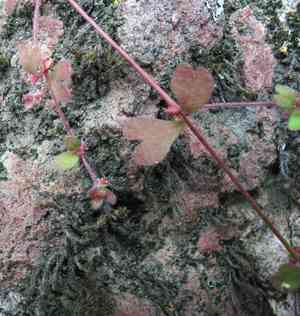
Woodland pterostegia (Pterostegia drymarioides)
Also known as: Woodland wingcup
Pterostegia drymarioides, commonly referred to as woodland threadstem or woodland pterostegia, is an annual herb found in California. It typically forms sprawling ground patches. This North American native is also known by other names such as fairy mist and fairy bowties.
In This Article
Attributes of Woodland pterostegia
Lifespan
Annual
Plant Type
Herb
Plant Height
1.2 m
Spread
1 cm to 1.2 m
Leaf Color
Green
Flower Size
1.02 mm
Flower Color
White Green Red
Images of Woodland pterostegia
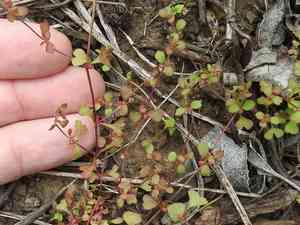
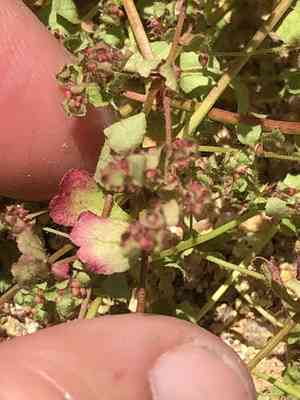
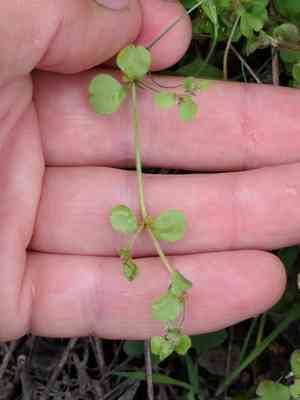
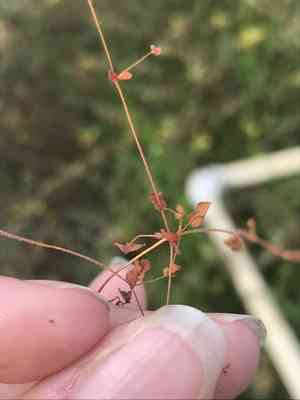
Quickly Identify Woodland pterostegia
1
Identify Pterostegia drymarioides by its thread-like stems, small rounded leaves, and preference for shaded woodland areas. The plant\'s tiny flowers and creeping growth habit are also characteristic.
Scientific Classification of Woodland pterostegia
Phylum
Vascular plants
Class
Dicotyledons
Order
Caryophyllales
Family
Buckwheat
Genus
Woodland threadstem
Species
Woodland pterostegia
Planting and Growing of Woodland pterostegia
Care Difficulty
Easy
Watering Schedule
Every 4 days
Sunlight Requirements
Partial sun
Sunshine Duration
6-10 hours
Ideal Temperature
60-70℉
Soil Type
Potting Mix, Peat Mix
Soil pH
6.5-7.5
Fertilizer Type
Balanced
Pruning Season
Spring, Summer
Pruning Area
Branches, Leaves
Pruning Frequency
2 times a year
Repotting Season
Spring
Pot Type
Plastic, Ceramic
 How to Water Woodland pterostegia?
Pterostegia drymarioides, commonly known as Lace Fern, thrives with consistent, yet moderate watering. Ensure the soil is kept slightly moist but not soggy. Water the plant thoroughly each time, until excess moisture begins to drain out from the bottom of the pot. This indicates that the root zone has received enough water.
What are the symptoms of an underwatered Woodland pterostegia?
›
What should I do if my Woodland pterostegia is not getting enough water?
›
What are the symptoms of an overwatered Woodland pterostegia?
›
How to save an overwatered Woodland pterostegia?
›
 What Are the Sunlight Requirements for Woodland pterostegia?
Pterostegia drymarioides thrives best with partial sun exposure, ideally receiving 4 to 6 hours of indirect sunlight daily. This balance ensures optimal photosynthesis and avoidance of stress, promoting growth and healthy foliage.
What is the ideal light for Pterostegia drymarioides?
›
How can I achieve these ideal conditions?
›
What benefits will ideal lighting bring?
›
 What Is the Ideal Temperature Range for Woodland pterostegia?
The ideal temperature range for Pterostegia drymarioides is between 60°F and 70°F. This range supports optimal growth, ensuring that the plant can efficiently perform photosynthesis, maintain healthy cell structure, and reproduce effectively. Maintaining this temperature range can help in promoting lush foliage and vibrant plant appearance.
 What Soil is Best for Woodland pterostegia?
Pterostegia drymarioides prefers soil that provides excellent drainage to prevent waterlogging. Well-drained soil ensures that the plant's roots have access to air and necessary nutrients, fostering healthy growth and reducing root rot risk. This plant thrives in soil with moderate fertility, which supports its lush foliage without the risk of over-fertilization that could lead to excessive leaf growth at the expense of flowers. A soil pH between 6.5 and 7.5 is ideal for Pterostegia drymarioides. This range allows for optimal nutrient availability and uptake, promoting robust plant health.
 How to Fertilize Woodland pterostegia?
When applying fertilizer to Pterostegia drymarioides, use a balanced liquid fertilizer diluted to half its strength. For slow-release fertilizer, aim for a light sprinkle, ensuring it covers the root area but not overwhelming it.
 How to Prune Woodland pterostegia?
Start by inspecting your Pterostegia drymarioides for any stems that appear yellowish or lack vitality. Use sharp, clean scissors to remove these, cutting close to the ground to encourage fresh growth. To maintain an aesthetically pleasing shape, trim back any sprawling or unruly growth. Direct your cuts just above a healthy leaf node, encouraging new stems to branch from this point. The plant has delicate stems, so handle it with care during the pruning process. Avoid applying excessive pressure to prevent damage to healthy parts of the plant. This encourages continued growth and vitality.
More About Pruning Techniques→
 How to Propagate Woodland pterostegia plant?
1
Collect mature seeds from dried seed pods. Clean the seeds by removing any debris or chaff to ensure only viable seeds are sown, increasing germination success rates.
2
Fill seed trays with potting mix and scatter seeds evenly on the surface. Lightly cover with a thin layer of soil to protect seeds from drying out. Water gently, keeping the soil consistently moist.
3
Place the seed trays in a well-lit area with indirect sunlight. Maintain a warm and humid environment for seeds to germinate, which typically takes 2-3 weeks.
 How to Repot Woodland pterostegia plant?
1
Pterostegia drymarioides should be repotted when you notice roots poking out of the bottom of the pot or if the soil appears compacted even after light watering. These signs indicate that the plant needs more room to grow or better drainage, which usually happens every couple of years.
2
Select a pot that is only slightly larger than the current one; around 1-2 inches bigger in diameter is ideal. It should have several drainage holes to ensure excess water easily escapes. This prevents waterlogging, which can cause root rot, a common danger for this type of plant.
3
Use a well-draining cactus mix specifically designed to prevent root rot by providing aeration and quick water drainage. The addition of perlite or sand can enhance the drainage capabilities, making it an excellent choice to keep your Pterostegia drymarioides healthy.
Learn More About Woodland pterostegia Diseases
Anthracnose
Bacterial Leaf Spot
Bacterial Soft Rot
Bacterial Wilt
Black Spot
Chemical Injury
Crown Gall
Cyst Nematode
Damping-off
Downy Mildew
Drought Stress
Fusarium Wilt
Gray Mold
Leaf Curl
Leaf Spot
Mosaic
Nutrient Deficiency
Nutrient Toxicity
Powdery Mildew
Root Rot
Root-knot Nematode
Rusts
Sooty Mold
Spider Mites
Temperature Stress
Thrips Damage
White Mold



