Chinese ladder brake fern(Pteris vittata)

Chinese ladder brake fern (Pteris vittata)

Also known as: Ladder fern, Chinese bracken

The Chinese ladder brake fern (Pteris vittata), originally from China, has spread globally and appears on various noxious weed lists. Despite its invasive nature, it offers significant environmental benefits by acting as a natural sponge for soil toxins. The fern excels at absorbing arsenic from polluted soils, storing the toxin in its fronds, which effectively aids in soil remediation and helps restore contaminated areas.

Attributes of Chinese ladder brake fern

Lifespan
Perennial
Plant Type
Herb
Plant Height
61 cm to 91 cm
Spread
90 cm to 1.2 m
Leaf Color
Green
Flower Size
N/A (ferns do not produce flowers)
Flower Color
N/A (ferns do not produce flowers)

ForwardPlant - Identify plants with a snap

Identify and diagnose plants, get toxicity alerts, and explore safety guides for all types of fungi.

Try for Free

Images of Chinese ladder brake fern
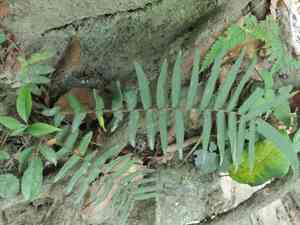
Chinese ladder brake fern(Pteris vittata)

Quickly Identify Chinese ladder brake fern

1
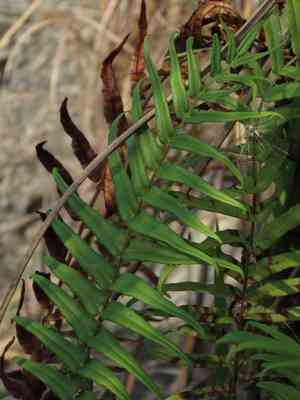
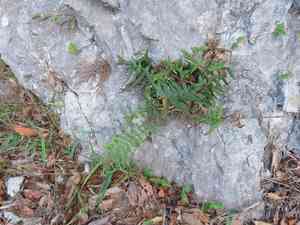
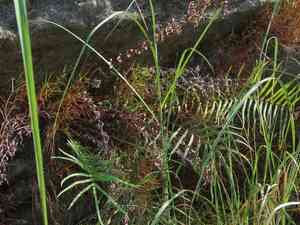
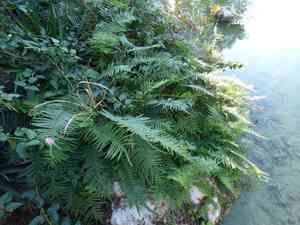
Pteris vittata can be identified by its fronds, which are long and arching, with a pale green color. The fronds are bi-pinnate with a somewhat leathery texture. The underside of the leaflets often have visible sporangia.

Scientific Classification of Chinese ladder brake fern

Phylum
Vascular plants
Class
Ferns
Order
Polypodiales
Family
Brake
Genus
Brakes
Species
Chinese ladder brake fern

Planting and Growing of Chinese ladder brake fern

Care Difficulty
Easy
Watering Schedule
Every 4 days
Sunlight Requirements
Partial sun
Sunshine Duration
6-10 hours
Ideal Temperature
65-77℉
Soil Type
Potting Mix, Peat Mix
Soil pH
6.5-7.5
Fertilizer Type
Balanced
Pruning Season
Spring, Summer
Pruning Area
Branches, Leaves
Pruning Frequency
2 times a year
Repotting Season
Spring
Pot Type
Plastic, Ceramic

water icon How to Water Chinese ladder brake fern?

When watering Pteris vittata, aim for the soil to be moist but not soggy. This plant thrives when the soil is evenly wet, ensuring adequate hydration without drowning the roots.
What are the symptoms of an underwatered Chinese ladder brake fern?
What should I do if my Chinese ladder brake fern is not getting enough water?
What are the symptoms of an overwatered Chinese ladder brake fern?
How to save an overwatered Chinese ladder brake fern?

sunlight icon What Are the Sunlight Requirements for Chinese ladder brake fern?

Sunlight Requirements: Partial sun, Full sun
Duration of light: 4 to 6 hours
For Pteris vittata, partial to full sun exposure is beneficial, allowing it to perform photosynthesis efficiently. Ideal light encourages vibrant growth and healthy plant development.
Ideal sunlight duration
Solutions to achieve ideal lighting
Benefits of ideal lighting
More About Sunlight Requirements Techniques

temperature icon What Is the Ideal Temperature Range for Chinese ladder brake fern?

Ideal Temperature: 65 ~ 77℉
The ideal temperature range for Pteris vittata, commonly known as the Chinese Brake Fern, is between 65°F to 77°F. Within this range, the plant can thrive and perform essential physiological functions effectively, such as photosynthesis and nutrient uptake. Consistency within this temperature range can support optimal growth and prevent stress-related issues.

soil icon What Soil is Best for Chinese ladder brake fern?

Soil type: Sandy soil, Loam, Calcareous soil
Soil PH: 6.5 ~ 7.5
Pteris vittata thrives best in well-drained soils. Excess water can inhibit growth and lead to root diseases, so ensuring proper drainage is crucial. This allows the roots to breathe and absorb nutrients efficiently, promoting vibrant foliage. This plant prefers soils with moderate nutrient levels. Overly rich soils can cause excessive growth, making the fronds leggy and weak. A balanced nutrient profile supports steady growth and maintains a healthy plant structure. Pteris vittata tends to favor soils with a slightly alkaline pH, around 6.5 to 7.5. Such pH levels facilitate the availability of essential nutrients while minimizing harmful metal absorption, enhancing the plant's resilience and vigor.

fertilize icon How to Fertilize Chinese ladder brake fern?

Fertilizer type: Balanced
Pteris vittata thrives best with moderate fertilization. For liquid fertilizers, use a diluted solution at 1/4 strength to prevent root burn. When using slow-release granular fertilizers, apply sparingly at only one tablespoon per square foot, avoiding the plant's crown.

prune icon How to Prune Chinese ladder brake fern?

Pruning Time: Spring, Summer, Autumn, Winter
Begin by identifying any dead, discolored, or damaged fronds. Using a pair of sharp, clean scissors or pruning shears, gently snip these at the base near the soil. Ensure you do not cut any healthy green fronds as they contribute to the plant's vigor and aesthetic. Regular trimming will help Pteris vittata remain lush and attractive throughout the year. After removing unhealthy fronds, focus on trimming back any excessively long or unruly fronds that may disrupt the plant's balanced appearance. This process not only tidies the plant but also encourages new growth from the base, leading to a fuller and more vibrant fern. More About Pruning Techniques

propagate icon How to Propagate Chinese ladder brake fern plant?

Propagate Time: Spring, Early summer
1
Once the fern fronds have developed sori, wait for them to dry and gently scrape the spores into a collection tray. Ensure that this process is done in a dry environment to prevent premature spore germination.
2
Fill a shallow tray with the propagating medium. Sterilize the surface by misting with a diluted bleach solution to prevent fungal and bacterial growth. Allow it to air out before sowing the spores.
3
Evenly distribute the collected spores onto the prepared surface. Do not cover them with the medium, as these spores require light exposure to germinate. Place the tray in a well-lit area but avoid direct sunlight.
More About Propagating Techniques

repot icon How to Repot Chinese ladder brake fern plant?

Repotting frequency: Every 2-3 years
1
The ideal signs for repotting Pteris vittata include roots circling the bottom of the pot or the plant quickly drying out after watering. Additionally, stunted growth and reduction in foliage can indicate the need for more space. Spring and early summer are optimal to minimize the stress on the plant when transitioning to a new house.
2
Select a pot slightly larger than the current one, with adequate drainage holes. The new pot should allow enough room for root expansion, preventing root-bound conditions that hinder growth. A pot too large can retain excessive moisture, increasing disease risk, especially in delicate ferns.
3
Opt for a well-draining soil mix to prevent waterlogging, which ferns are sensitive to. A mix containing peat, perlite, and pine bark helps retain moisture while providing aeration. This balance ensures that the roots have room to breathe, reducing the chances of root rot.

ForwardPlant - Identify plants with a snap

Find the best spots for them to optimize their health, simply using your phone.

Try for Free

Toxicity of Chinese ladder brake fern

Is Chinese ladder brake fern toxic to humans?

The Chinese ladder brake fern presents a moderate toxic risk to humans mainly via ingestion. The entire plant harbors toxic compounds, with arsenic being of particular concern. Ingesting Chinese ladder brake fern can result in arsenic poisoning, which manifests through a variety of symptoms such as abdominal pain, vomiting, diarrhea, and in extreme instances, muscle cramps, heart irregularities, and potentially death. Since all components of the Chinese ladder brake fern are toxic, it is essential for individuals to take precautions to avoid accidental ingestion, particularly in areas where this fern is found.

Is Chinese ladder brake fern toxic to cat?

The Chinese ladder brake fern exhibits moderate toxicity to cats, and accidental consumption may result in poisoning. The entire plant harbors toxic compounds, particularly arsenic, which presents a serious health hazard to felines. Ingesting any portion of the Chinese ladder brake fern can trigger noticeable physical distress and illness in cats. In such distressing situations, it is crucial to seek veterinary assistance without delay for timely treatment and symptom management.

Is Chinese ladder brake fern toxic to dog?

The Chinese ladder brake fern is recognized as having a moderate toxicity level for dogs. If they ingest any part of this plant, canines may experience poisoning, as the entire plant is toxic. Even small amounts can trigger various symptoms due to arsenic content. Dog owners should be on the lookout for indications of poisoning, which can manifest as vomiting, diarrhea, abdominal discomfort, lethargy, and irregular heart rate, among other signs. Should you suspect that your dog has consumed Chinese ladder brake fern, it is crucial to seek prompt veterinary assistance to secure the best outcome for your pet.

Identify toxic plants for your safety

Learn which plants are harmful to you and your pets, and make informed choices for a safer home!

Try for Free
WARNING
The judgment on toxicity and danger is for reference only. We DO NOT GUARANTEE any accuracy of such judgment. Therefore, you SHALL NOT rely on such judgment. It is IMPORTANT TO SEEK PROFESSIONAL ADVICE in advance when necessary.
More About Toxic Techniques