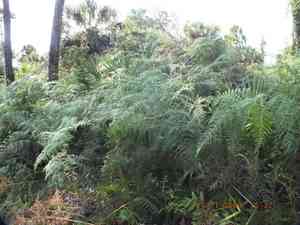
Southern brackenfern (Pteridium caudatum)
Also known as: Bracken Fern, Eagle Fern
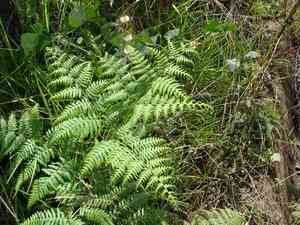
The Southern brackenfern features large, arching fronds that emerge from a central base. These fronds are typically triangular and can grow over a meter in length, showcasing a bright green color indicative of their preference for moist, shaded habitats. The leaflets are finely divided and possess a feathery texture, which helps them flourish under the filtered light of forest canopies.
In This Article
Attributes of Southern brackenfern
Lifespan
Perennial
Plant Type
Fern
Plant Height
30 cm to 91 cm
Spread
0.5 to 2 meters (spreads via rhizomes)
Leaf Color
Green
Flower Size
Not applicable (ferns do not produce flowers)
Flower Color
Not applicable (ferns do not produce flowers)
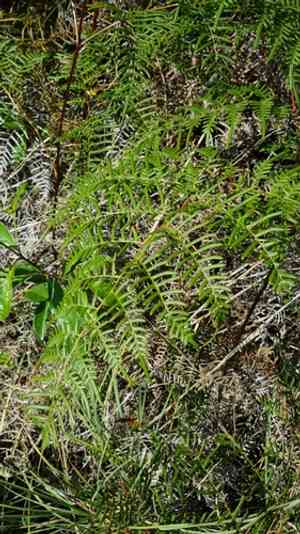
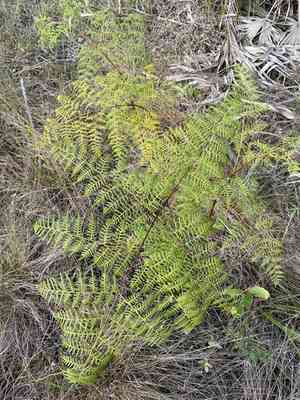
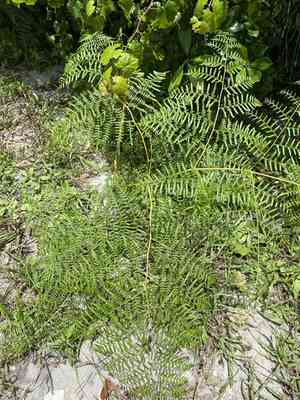
Images of Southern brackenfern
Quickly Identify Southern brackenfern
1
Look for large, triangular fronds with finely divided leaflets. The plants typically have a creeping rhizome that allows them to spread. The fronds unroll from fiddleheads in the spring.
Scientific Classification of Southern brackenfern
Phylum
Vascular plants
Class
Ferns
Order
Polypodiales
Family
Bracken fern
Genus
Brackens
Species
Southern brackenfern
Planting and Growing of Southern brackenfern
Care Difficulty
Hard
Watering Schedule
Every 3 days
Sunlight Requirements
Partial sun
Sunshine Duration
4-8 hours
Ideal Temperature
60-75℉
Soil Type
Potting Mix, Peat Mix
Soil pH
5.5-7
Fertilizer Type
Balanced
Pruning Season
Spring, Summer
Pruning Area
Branches, Leaves
Pruning Frequency
2 times a year
Repotting Season
Spring
Pot Type
Ceramic, Plastic
 How to Water Southern brackenfern?
Water Pteridium caudatum until the soil is consistently moist but not waterlogged. Aim for around 500 ml per watering, ensuring the water penetrates deep into the soil without leaving standing water. This helps maintain even soil moisture, which is crucial for the plant's root health.
What are the symptoms of an underwatered Southern brackenfern?
›
What should I do if my Southern brackenfern is not getting enough water?
›
What are the symptoms of an overwatered Southern brackenfern?
›
How to save an overwatered Southern brackenfern?
›
 What Are the Sunlight Requirements for Southern brackenfern?
Partial sun exposure is ideal, ensuring the plant receives gentle morning and late afternoon sun, which enhances photosynthesis and supports vibrant foliage color.
What is the ideal lighting environment for Pteridium caudatum?
›
How can I ensure Pteridium caudatum gets the right amount of light?
›
What are the benefits of providing Pteridium caudatum with ideal lighting?
›
 What Is the Ideal Temperature Range for Southern brackenfern?
The ideal temperature range for Pteridium caudatum is between 60°F and 75°F. This range provides the optimal conditions for photosynthesis, nutrient absorption, and overall plant health, ensuring robust growth and development.
 What Soil is Best for Southern brackenfern?
Pteridium caudatum thrives in soil that offers good moisture retention, preventing it from drying out quickly. Adequate moisture ensures healthy growth and vibrant foliage. This plant benefits significantly from soil rich in organic matter and nutrients, which supply essential minerals supporting its growth and reproduction. Ensuring well-draining soil is critical to avoid waterlogging, which could lead to root rot and other related problems, allowing plants to develop a robust root system.
 How to Fertilize Southern brackenfern?
Pteridium caudatum requires a moderate amount of fertilizer to thrive. When using liquid fertilizer, apply approximately 1/4 strength of the recommended dose for houseplants. For slow-release fertilizers, use about 1 to 2 pounds per 100 square feet of soil annually. This ensures a balanced nutrient supply without overloading the plant.
 How to Prune Southern brackenfern?
Begin by inspecting the plant for any damaged, diseased, or dead fronds. These can typically be identified by a change in color, such as browning or yellowing, as well as any signs of wilting or decay. Removing these fronds first prevents the spread of disease and directs the plant's energy towards healthy growth. Use clean, sharp scissors or pruning shears for precise cuts. Make sure to sterilize the tools before and after use to prevent disease transmission. Carefully cut the fronds at the base, avoiding damage to surrounding foliage. Employ a steady hand and aim for clean cuts to ensure the plant's resilience and fast recovery. After pruning, consider applying a balanced fertilizer to encourage new growth. Ensure the plant is well-watered and situated in optimal lighting conditions. This not only promotes vigorous recovery but also stimulates the development of new, lush fronds, maintaining the plant's full and vibrant appearance.
More About Pruning Techniques→
 How to Propagate Southern brackenfern plant?
1
Collecting spores is the first step in propagating Pteridium caudatum. Monitor the fronds to identify when the sori, where spores are produced, become brown and dry. Gently tap the frond over a piece of white paper to release the spores. Collect and store the spores in a cool, dry place until ready to sow.
2
Prepare a suitable substrate using a mixture of peat and sand to create a well-draining medium. Sterilize the substrate to eliminate any potential pathogens that could affect spore germination. Evenly spread the substrate in a shallow, sterilized tray as the growth medium for the spores.
3
Carefully sprinkle the collected spores evenly over the prepared substrate. Avoid covering the spores with any additional soil or substrate as this might inhibit their ability to receive necessary light for germination. Use a fine-mist spray bottle to lightly moisten the surface.
 How to Repot Southern brackenfern plant?
1
For Pteridium caudatum, repotting is typically needed when the roots outgrow the current pot or the plant shows signs of stunted growth. If water drains too quickly or the plant becomes root-bound, it's time to consider moving it to a larger space. Spring and summer are ideal times for repotting this fern, as the plant is in its active growth phase, allowing it to adapt more readily to its new environment.
2
Select a pot that is about two inches larger in diameter than the current one. Ensure it has ample drainage holes to allow excess water to escape, preventing root rot. The advantage of a slightly bigger pot is that it provides more room for growth without overwhelming the plant's root system, thus minimizing transplant shock.
3
Choose a well-draining, acidic potting mix that mimics its natural habitat. Incorporating peat moss or pine bark can help maintain the right pH and moisture balance. A rich, finely-textured soil enhances aeration while retaining the necessary moisture, fostering a healthy root environment essential for optimal plant health.
Toxicity
Ingestion
WARNING
The judgment on toxicity and danger is for reference only. We DO NOT GUARANTEE any accuracy of such judgment. Therefore, you SHALL NOT rely on such judgment. It is IMPORTANT TO SEEK PROFESSIONAL ADVICE in advance when necessary.



