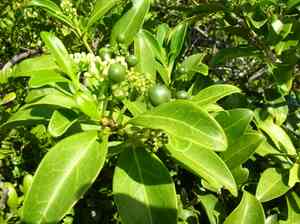
Alahe'e (Psydrax odorata)
Also known as: Hawaiian Mock Orange, Alahee, Black Pearls
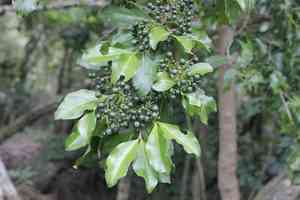
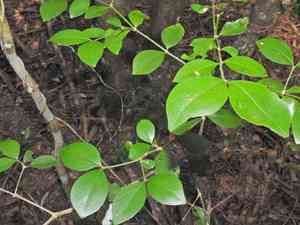
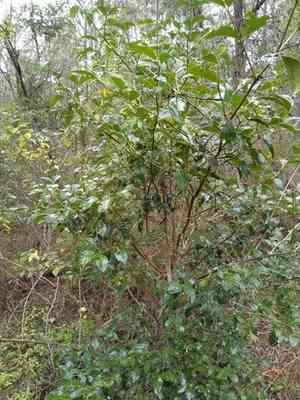
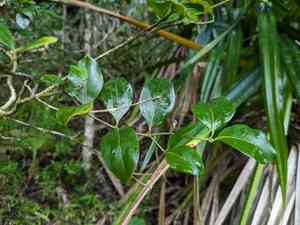
The species range from 1.8 to 9 m in height, has a spread of 91 to 213 cm, and a trunk width of up to 10 cm. The leaves are glossy green in colour, are up to 9 cm long and elliptic. The fruits of the plant are quite round, are black in colour and 3/8 wide.
In This Article
Attributes of Alahe'e
Lifespan
Perennial
Plant Type
Tree, Shrub
Plant Height
3-6 meters
Spread
3-5 meters
Leaf Color
Dark Green
Flower Size
1-2 cm
Flower Color
White or Greenish
Images of Alahe'e
Quickly Identify Alahe'e
1
To identify Psydrax odorata, look for its glossy, dark green leaves, small white or greenish flowers with a pleasant fragrance, and its small black fruits. It typically grows as a shrub or small tree and has a dense, rounded crown.
Scientific Classification of Alahe'e
Phylum
Vascular plants
Class
Dicotyledons
Order
Gentianales
Family
Madder
Genus
Psydrax
Species
Alahe'e
Planting and Growing of Alahe'e
Care Difficulty
Easy
Watering Schedule
Every 3 days
Sunlight Requirements
Full sun
Sunshine Duration
4-6 hours
Ideal Temperature
65-75℉
Soil Type
Potting Mix, Peat Mix
Soil pH
6.5-7.5
Fertilizer Type
Balanced
Pruning Season
Spring, Summer
Pruning Area
Branches, Leaves
Pruning Frequency
2 times a year
Repotting Season
Spring
Pot Type
Plastic, Ceramic
 How to Water Alahe'e?
For Psydrax odorata, each watering session should involve approximately 500ml of water. Aim to ensure the soil is moist but not waterlogged. Typically, once the top inch of soil feels dry to the touch, it's time to water again, ensuring roots receive steady moisture without oversaturation.
What are the symptoms of an underwatered Alahe'e?
›
What should I do if my Alahe'e is not getting enough water?
›
What are the symptoms of an overwatered Alahe'e?
›
How to save an overwatered Alahe'e?
›
 What Are the Sunlight Requirements for Alahe'e?
Psydrax odorata thrives in partial to full sunlight, ideally receiving 4-6 hours of light daily. This exposure fosters robust growth, enhances its natural aroma, and supports vibrant, healthy leaves.
What is the best sunlight exposure for Psydrax odorata?
›
How can I ensure Psydrax odorata gets the ideal sunlight conditions?
›
What benefits does Psydrax odorata gain from ideal light conditions?
›
 What Is the Ideal Temperature Range for Alahe'e?
The ideal temperature range for Psydrax odorata is between 65°F and 75°F. This ensures optimal growth and health of the plant, enabling it to thrive and flourish. Keeping the plant within this range helps maintain its physiological and metabolic processes at a stable pace. Ensure to monitor the temperature consistently to keep it within these limits for the best results.
 What Soil is Best for Alahe'e?
Psydrax odorata thrives in nutrient-rich soil that promotes healthy growth and rich foliage. Providing organic matter increases soil fertility, which boosts plant vigor and resilience against pests. Ensuring well-drained soil prevents waterlogging, reducing the risk of root rot. This plant prefers light to moderate moisture control, which supports strong root development and longevity. A soil profile that retains enough water without being overly saturated is ideal. This ensures the plant remains hydrated during dry periods while avoiding excessive sogginess.
 How to Fertilize Alahe'e?
For Psydrax odorata, the recommended liquid fertilizer amount is 1/4 strength of a balanced fertilizer per application. For slow-release granules, apply at the rate of 3 ounces per square yard annually. Ensure that the granules are well-distributed around the root zone of the plant.
 How to Prune Alahe'e?
Begin by observing the natural shape and growth habit of Psydrax odorata. This plant has a compact, bushy form, so focus on enhancing its natural silhouette. Trim selectively to maintain its rounded appearance without severe distortion. Start with a light pruning to remove any dead or diseased branches. Use clean, sharp pruning shears for precise cuts. Always cut back to a healthy lateral bud or branch to promote robust new growth. Trim back any overly long branches that disrupt the overall symmetry. Regularly step back to assess the plant's form, ensuring a balanced look from all angles. Prune the interior branches selectively to open up the plant. This improves sunlight penetration and increases air circulation, reducing the potential for fungal issues.
More About Pruning Techniques→
 How to Propagate Alahe'e plant?
1
Gather ripe seeds from the Psydrax odorata fruit during the recommended season. Clean them to remove any pulp, which can harbor pathogens, and let them dry before planting to ensure the seeds are in optimal condition for germination.
2
Select healthy stems and cut about 4-6 inches below a node. Strip the leaves from the lower half and dip the cut ends in rooting hormone to accelerate the rooting process. It's crucial to use sterile techniques to prevent disease.
3
For layering, choose a healthy branch, bend it to the ground, and make a small cut on the underside at a node. Secure the branch to the soil with a pin or a stone, and keep it moist until roots develop. This method is less stressful for the plant and often successful.
 How to Repot Alahe'e plant?
1
Repotting Psydrax odorata should be considered when you see signs like the roots poking out of the drainage holes, the plant has stopped growing, or the soil dries out too quickly. Spring and summer are ideal seasons since the plant is in active growth mode, which helps it recover better from the transplant shock.
2
Select a pot that is one size larger than the current one, with good drainage to prevent standing water, which can cause root rot. A pot that provides proper aeration encourages healthy roots, promoting robust plant growth.
3
For Psydrax odorata, a well-draining potting mix is essential. It can be a combination of potting soil, sand, and perlite. This mix ensures good aeration and prevents the roots from sitting in water, thereby promoting healthier plant development.
Learn More About Alahe'e Diseases
Anthracnose
Bacterial Leaf Spot
Bacterial Soft Rot
Bacterial Wilt
Black Spot
Chemical Injury
Crown Gall
Cyst Nematode
Damping-off
Downy Mildew
Drought Stress
Fusarium Wilt
Gray Mold
Leaf Spot
Mosaic
Nutrient Deficiency
Nutrient Toxicity
Powdery Mildew
Root Rot
Root-knot Nematode
Rusts
Sooty Mold
Spider Mites
Temperature Stress
Thrips Damage
White Mold



