Guavas (Psidium) (Psidium)
Also known as: Guava, Common Guava
The genus **Psidium**, which includes guavas, comprises numerous species of tropical trees and shrubs. These plants are extensively cultivated and can sometimes become vigorous colonizers, affecting native ecosystems. Several species within this genus yield edible fruits.
In This Article
Attributes of Guavas (Psidium)
Lifespan
Perennial
Plant Height
3-10 meters
Spread
2-6 meters
Leaf Color
Dark green
Flower Size
2-3 centimeters
Flower Color
White
Images of Guavas (Psidium)
Quickly Identify Guavas (Psidium)
1
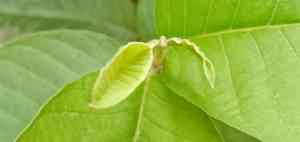
Psidium species can be identified by their opposite leaves, smooth bark, and aromatic fruits. The leaves are usually oval, with a prominent midrib, and the flowers are white with numerous stamens. The fruits are typically round or oval, and can be green, yellow, or reddish when ripe.
Scientific Classification of Guavas (Psidium)
Phylum
Angiosperms
Class
Magnoliopsida
Order
Myrtales
Family
Myrtaceae
Genus
Psidium
Planting and Growing of Guavas (Psidium)
Care Difficulty
Moderate
Watering Schedule
Every 3 days
Sunlight Requirements
Full sun
Sunshine Duration
6-8 hours
Ideal Temperature
70-85℉
Soil Type
Potting Mix, Peat Mix
Soil pH
5.5-7.5
Fertilizer Type
Balanced
Pruning Season
Spring, Summer
Pruning Area
Branches, Leaves
Pruning Frequency
2 times a year
Repotting Season
Spring
Pot Type
Plastic, Ceramic
 How to Water Guavas (Psidium)?
Psidium plants generally require around 500 milliliters of water per watering session. The goal is to ensure the soil is consistently moist, but not waterlogged. A good practice is to water until you see the water start draining from the bottom of the pot, ensuring complete soil saturation without excessive pooling.
What are the symptoms of an underwatered Guavas (Psidium)?
›
What should I do if my Guavas (Psidium) is not getting enough water?
›
What are the symptoms of an overwatered Guavas (Psidium)?
›
How to save an overwatered Guavas (Psidium)?
›
 What Are the Sunlight Requirements for Guavas (Psidium)?
Psidium thrives in full to partial sun. Adequate sunlight is essential, contributing to robust growth, optimal leaf coloration, and abundant fruit production.
What are the optimal lighting conditions for Psidium?
›
How can I achieve the ideal lighting for Psidium?
›
What are the benefits of optimal lighting for Psidium?
›
 What Is the Ideal Temperature Range for Guavas (Psidium)?
The ideal temperature range for Psidium species, such as guava, is between 70°F and 85°F. This range provides optimal conditions for growth and fruit production, ensuring that the plant receives enough warmth to facilitate photosynthesis while not being stressed by excessive heat.
 What Soil is Best for Guavas (Psidium)?
Psidium plants, such as the guava, thrive in well-aerated soil that allows for proper drainage. This prevents root rot and allows the roots to access the oxygen they need to support healthy growth. These plants benefit from nutrient-rich soil, rich in organic matter. Ample nutrients support robust fruit production and vibrant foliage, making the soil's fertility a key factor in successful cultivation. While Psidium requires well-draining soil, it also benefits from soils that can retain some moisture. This balance supports consistent hydration and minimizes stress during dry periods.
 How to Fertilize Guavas (Psidium)?
For Psidium, particularly guava, a balanced fertilizer such as a 10-10-10 NPK ratio is ideal. Use about half a pound per tree for young plants and increase gradually to 3 pounds as the trees mature. This ensures the trees receive adequate nutrients for optimal growth and fruit production.
 How to Prune Guavas (Psidium)?
Start by looking for any branches that are dead, damaged, or diseased. These should be removed first to prevent the spread of disease and promote healthy growth. Use clean, sharp pruning shears for a clean cut. Carefully trim the outer branches to maintain a desired shape and size. Ensure that sunlight reaches the inner leaves by thinning out crowded areas, which helps in preventing fungal diseases. Prune back some of the older, thicker branches to encourage new growth from the base. This rejuvenates the plant, ensuring a lush and productive foliage throughout the growing season.
 How to Propagate Guavas (Psidium) plant?
1
Before sowing, soak the seeds in warm water for 24 hours to soften the seed coat, enhancing germination rates. After soaking, dry them briefly before planting.
2
Choose semi-hardwood cuttings about 4-6 inches long from healthy, disease-free plants. Trim just below a node, and remove leaves from the lower half to reduce water loss.
3
Use tongue or whip grafting methods for successful union, ensuring the rootstock and scion are of similar diameter. Align the cambium layers for proper nutrient exchange.
 How to Repot Guavas (Psidium) plant?
1
Repot Psidium when you notice roots coming out of the drainage holes, or when growth seems stunted. Early spring is ideal before new growth starts, preparing the plant for robust development in warmer months.
2
Select a pot that's 2-3 inches larger in diameter than the current one. Ensure it has good drainage to prevent waterlogging. A slightly larger pot provides more room for root development, leading to healthier plant growth.
3
Opt for a well-draining potting mix, preferably one with added organic matter like compost. This ensures adequate moisture retention while allowing excess water to escape, which is critical for preventing root rot and promoting vigorous growth.

