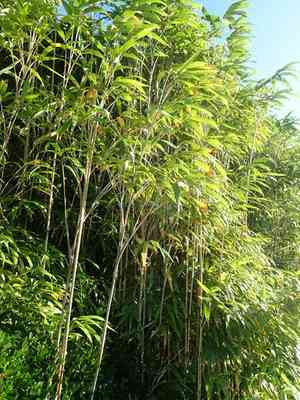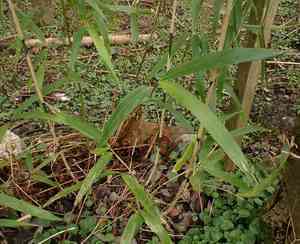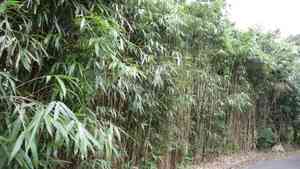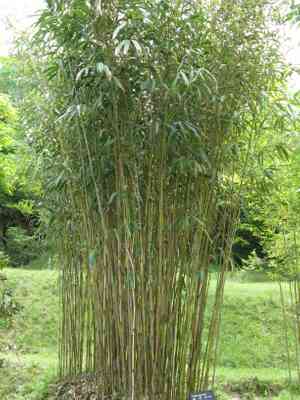
Arrow bamboo(Pseudosasa japonica)

Arrow bamboo (Pseudosasa japonica)

Also known as: Hardy metake bamboo, Female arrow-bamboo

Pseudosasa japonica, known as Arrow Bamboo, is a type of bamboo native to Japan and Korea. Its common name comes from the historical use of its strong, straight canes for crafting arrows, particularly by samurais. This bamboo species typically forms dense thickets and can grow up to 6 meters in height.

Attributes of Arrow bamboo

Lifespan
Perennial
Plant Type
Grass
Plant Height
6 m
Spread
3.5 m to 8 m
Leaf Color
Green
Flower Size
3 mm to 4 mm
Flower Color
Green White Brown

ForwardPlant - Identify plants with a snap

Identify and diagnose plants, get toxicity alerts, and explore safety guides for all types of fungi.

Try for Free

Images of Arrow bamboo

Arrow bamboo(Pseudosasa japonica)

Quickly Identify Arrow bamboo

1
Arrow Bamboo can be identified by its upright growth habit, dark green culms, and broad, lance-shaped leaves that resemble arrowheads. The plant typically has a robust and thick growth pattern.

Scientific Classification of Arrow bamboo

Phylum
Vascular plants
Class
Monocotyledons
Order
Grasses, sedges and allies
Family
Grass
Genus
Arrow bamboos
Species
Arrow bamboo

Planting and Growing of Arrow bamboo

Care Difficulty
Easy
Watering Schedule
Every 8 days
Sunlight Requirements
Partial sun
Sunshine Duration
6-10 hours
Ideal Temperature
60-75℉
Soil Type
Potting Mix, Peat Mix
Soil pH
6-7.5
Fertilizer Type
Balanced
Pruning Season
Spring, Summer
Pruning Area
Branches, Leaves
Pruning Frequency
2 times a year
Repotting Season
Spring
Pot Type
Plastic, Ceramic

water icon How to Water Arrow bamboo?

Pseudosasa japonica, also known as arrow bamboo, thrives in well-hydrated soil. Water it until the soil is consistently moist but not soggy. Ensure even water distribution to reach both the top and deeper roots. Use approximately 500 ml per session to maintain proper moisture levels.
What are the symptoms of an underwatered Arrow bamboo?
What should I do if my Arrow bamboo is not getting enough water?
What are the symptoms of an overwatered Arrow bamboo?
How to save an overwatered Arrow bamboo?

sunlight icon What Are the Sunlight Requirements for Arrow bamboo?

Sunlight Requirements: Partial sun, Full shade
Duration of light: 3 to 6 hours
Partial sun or full shade is ideal for Pseudosasa japonica, ensuring balanced growth and vibrant foliage while minimizing sunburn risks.
What are the ideal lighting conditions for Pseudosasa japonica?
How can I ensure my Pseudosasa japonica receives ideal lighting?
What benefits does ideal lighting provide to Pseudosasa japonica?
More About Sunlight Requirements Techniques

temperature icon What Is the Ideal Temperature Range for Arrow bamboo?

Ideal Temperature: 60 ~ 75℉
Pseudosasa japonica thrives in temperatures between 60°F and 75°F. This range provides the perfect balance of warmth and humidity which is essential for its healthy growth. Within this temperature spectrum, the plant experiences optimal metabolic rates and retains its lush green appearance.

soil icon What Soil is Best for Arrow bamboo?

Soil type: Loam, Sandy loam, Clay soil
Soil PH: 6 ~ 7.5
Pseudosasa japonica thrives in well-drained soil that prevents waterlogging, ensuring that the bamboo roots have access to both moisture and oxygen. This balance supports healthy root development and prevents root rot. Nutrient-rich soil provides the bamboo with essential nutrients, promoting robust growth and vibrant foliage. Regular addition of organic matter like compost can maintain soil fertility. While Pseudosasa japonica prefers moist soil, it should not be waterlogged. Consistent moisture without standing water helps maintain the plant's vigor and lush appearance.

fertilize icon How to Fertilize Arrow bamboo?

Fertilizer type: Balanced
When fertilizing Pseudosasa japonica, it's important to use a balanced formula. For liquid fertilizers, apply at half-strength to prevent burning. Solid, slow-release fertilizers should be used sparingly, with about 2 ounces per plant each application.

prune icon How to Prune Arrow bamboo?

Pruning Time: Spring, Summer, Autumn
Begin by examining your bamboo for any dead or damaged culms. These are typically discolored and may not produce any leaves. Cut them down to ground level to encourage the healthy culms to thrive and improve the overall appearance of your bamboo grove. If your Pseudosasa japonica has become too dense, selectively thin out the culms in the interior to improve airflow and light penetration. This not only aids in healthy growth but also reduces the risk of disease by allowing the plant to dry out more effectively after rainfall or watering. For aesthetic purposes, you can trim the tops of overgrown culms to maintain the desired height and shape of your bamboo. Use a saw or heavy-duty shears to make clean, angled cuts just above a node, which encourages branching and lush foliage. More About Pruning Techniques

propagate icon How to Propagate Arrow bamboo plant?

Propagate Time: Spring, Early spring
1
Choose a well-established and healthy Pseudosasa japonica plant for division. Look for a clump with strong, healthy shoots and firm roots to ensure the best chances of successful propagation.
2
Using a shovel, gently dig around the plant to uncover the root ball. Ensure you are far enough from the stems to avoid disturbing the root system more than necessary. Lift the plant and shake off excess soil to expose the roots.
3
Separate the rhizomes by cutting through them with a sharp, clean knife or pruning shears. Each division should have at least one healthy shoot and a good amount of roots. This careful selection helps ensure new growth is vigorous.
More About Propagating Techniques

repot icon How to Repot Arrow bamboo plant?

Repotting frequency: Every 2-3 years
1
Pseudosasa japonica shows signs of needing repotting when roots start to circle the pot or emerge through drainage holes. Spring and early summer are ideal times when the plant experiences vigorous growth. A tight pot can stunt its growth, while a new pot will encourage lush foliage.
2
Selecting the right pot involves finding one that is just a few inches larger in diameter than the current one. This will provide ample space for root expansion without overwhelming the plant. A pot with good drainage is essential to prevent waterlogging, which Pseudosasa japonica is sensitive to.
3
Opt for a well-draining, fertile soil mix that retains enough moisture without becoming soggy. A recommended mix could include standard potting soil with added sand or perlite. This ensures that the roots are neither dry nor waterlogged, promoting healthy growth.

ForwardPlant - Identify plants with a snap

Find the best spots for them to optimize their health, simply using your phone.

Try for Free

Toxicity of Arrow bamboo

Is Arrow bamboo toxic to humans?

Arrow bamboo has a unique level of toxicity attributed to the presence of cyanogens in its leaf buds. If these leaf buds are consumed in their raw state, they can trigger poisoning in humans. The intake of these toxic components can result in the release of cyanide within the body, which poses a potentially hazardous situation. Symptoms associated with arrow bamboo poisoning may encompass breathing difficulties, dizziness, headaches, and in severe instances, seizures or loss of consciousness. It is crucial to understand that cooking can neutralize this toxicity by eliminating the cyanogens. Consequently, while these leaf buds can feature in traditional culinary preparations, they require proper cooking methods to avert negative health consequences. Caution should be exercised to prevent accidental consumption of raw leaf buds, which could lead to poisoning.

Is Arrow bamboo toxic to cat?

Arrow bamboo presents a mild toxicity hazard for cats. Accidental ingestion is the primary means of poisoning, with the leaf buds being the toxic components involved. Cats consuming these parts may show signs of physical discomfort or illness, which can vary in manifestation depending on the individual cat and the quantity ingested. The specific toxin found in arrow bamboo is cyanogens, which can be rendered harmless through cooking; however, it remains essential to keep the raw plant away from cats. If there is any suspicion that a cat has ingested arrow bamboo and been poisoned, seeking immediate veterinary assistance is vital.

Is Arrow bamboo toxic to dog?

Arrow bamboo presents a moderate toxicity risk for dogs. Canines may unintentionally consume portions of this plant, especially the leaf bud, which is identified as toxic. Should a dog ingest this part of arrow bamboo, it might show signs that suggest poisoning. Symptoms can comprise, but are not restricted to, vomiting, diarrhea, and overall weakness. It is essential for dog owners to keep a close eye on their pets and prevent access to arrow bamboo. If a dog does happen to consume arrow bamboo, it is vital to seek prompt veterinary attention to manage any potential health complications stemming from the poisoning.

Identify toxic plants for your safety

Learn which plants are harmful to you and your pets, and make informed choices for a safer home!

Try for Free
WARNING
The judgment on toxicity and danger is for reference only. We DO NOT GUARANTEE any accuracy of such judgment. Therefore, you SHALL NOT rely on such judgment. It is IMPORTANT TO SEEK PROFESSIONAL ADVICE in advance when necessary.
More About Toxic Techniques