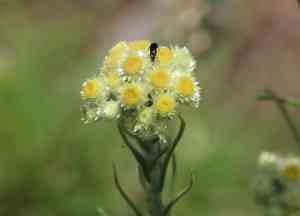
Clammy cudweed (Pseudognaphalium viscosum)
Also known as: Sticky Everlasting
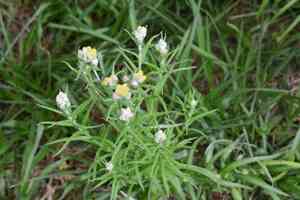
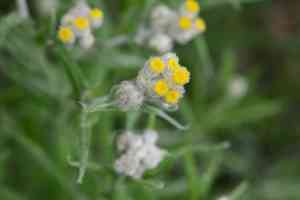
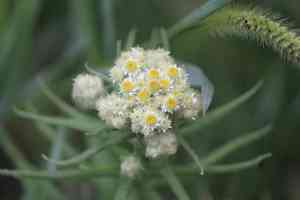
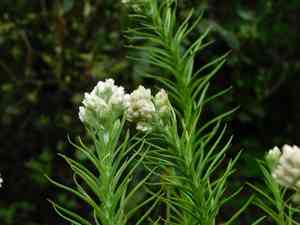
Clammy cudweed (Pseudognaphalium spp.) is a hardy perennial well-suited to sunny, well-drained, open areas. Its stems and leaves are covered in fine, woolly hairs that not only give it a distinctive fuzzy appearance but also help reduce water loss by trapping moisture and reflecting sunlight. The plant produces clusters of small, pale yellow to white flowers, which are protected by its soft, hairy leaves. Additionally, the sticky texture from glandular hairs deters herbivores and further aids in water conservation, showcasing its adaptability to arid conditions.
In This Article
Attributes of Clammy cudweed
Lifespan
Annual
Plant Type
Herb
Plant Height
30-60 cm
Spread
20-40 cm
Leaf Color
Green, sometimes with a slight grayish tint or white fuzz
Flower Size
1-2 cm
Flower Color
White or yellow
Images of Clammy cudweed
Quickly Identify Clammy cudweed
1
Pseudognaphalium viscosum can be identified by its sticky, aromatic leaves that exude a resinous substance. The plant also has small white or yellow flowers that are clustered together, resembling daisies.
Scientific Classification of Clammy cudweed
Phylum
Vascular plants
Class
Dicotyledons
Order
Asterales
Family
Daisy
Genus
Cudweeds
Species
Clammy cudweed
Planting and Growing of Clammy cudweed
Care Difficulty
Easy
Watering Schedule
Every 3 days
Sunlight Requirements
Full sun
Sunshine Duration
6-10 hours
Ideal Temperature
55-75℉
Soil Type
Potting Mix, Peat Mix
Soil pH
6.5-7.5
Fertilizer Type
Balanced
Pruning Season
Spring, Summer
Pruning Area
Branches, Leaves
Pruning Frequency
2 times a year
Repotting Season
Spring
Pot Type
Ceramic, Plastic
 How to Water Clammy cudweed?
For Pseudognaphalium viscosum, the watering should ensure the soil is moist but not waterlogged. Water until it starts to drain slightly from the bottom of the pot, indicating sufficient water has reached the roots. This usually means around 300ml per session.
What are the symptoms of an underwatered Clammy cudweed?
›
What should I do if my Clammy cudweed is not getting enough water?
›
What are the symptoms of an overwatered Clammy cudweed?
›
How to save an overwatered Clammy cudweed?
›
 What Are the Sunlight Requirements for Clammy cudweed?
Pseudognaphalium viscosum flourishes with full sun to partial sun exposure, promoting vibrant growth and robust foliage. Adequate light enhances photosynthesis, ensuring a healthy, thriving plant.
What type of light is ideal?
›
How to achieve ideal lighting?
›
What are the benefits of ideal lighting?
›
 What Is the Ideal Temperature Range for Clammy cudweed?
The ideal temperature range for Pseudognaphalium viscosum is between 55°F and 75°F. This range provides optimal growth conditions, ensuring healthy foliage and vibrant blooms. Maintaining this temperature range helps to support the plant's natural growth cycle and overall vitality.
 What Soil is Best for Clammy cudweed?
Pseudognaphalium viscosum thrives in well-draining soils to prevent root rot, a common issue in overly wet conditions. This type of soil ensures that excess water drains away swiftly, providing a healthy root environment and promoting robust growth. This plant does not demand overly rich soil but benefits from moderate soil fertility. A balance in nutrients supports balanced growth, helping to maintain the plant's structure and foliage vibrancy without excessive foliage production. A soil pH ranging from 6.5 to 7.5 is ideal. This pH range facilitates nutrient availability, ensuring that essential nutrients are easily accessible to the plant for optimal growth and health.
 How to Fertilize Clammy cudweed?
Pseudognaphalium viscosum prefers a balanced and moderate fertilization approach. Use about 1/4 of the manufacturer's recommended dose for liquid fertilizers in order to prevent nutrient burn. For solid fertilizers, ensure that you only apply a small handful evenly around the base of the plant to promote healthy growth without overwhelming the root system.
 How to Prune Clammy cudweed?
Begin by trimming the outer edges of the plant to shape it nicely. This helps keep the plant looking tidy and well-manicured. Follow the natural contour to maintain its natural beauty. When pruning, aim to thin the plant lightly, especially in areas that appear dense. Improved air circulation reduces the risk of mildew and fungal diseases, leading to a healthier plant.
More About Pruning Techniques→
 How to Propagate Clammy cudweed plant?
1
Collect seeds when the flower heads have dried and turned brown. Ensure seeds are completely dry before storing or planting to prevent mold growth.
2
Use clean, sharp pruning shears to take cuttings from healthy plants. Select non-flowering shoots that are at least 10 cm long.
3
Carefully dig up the plant clump and separate it into smaller clumps, ensuring each has roots. This helps to control plant size and rejuvenates older plants.
 How to Repot Clammy cudweed plant?
1
Pseudognaphalium viscosum shows signs of needing repotting when its roots start protruding from the drainage holes or when its growth seems stunted. Look for these indicators in spring or autumn, prime seasons for transplanting.
2
Select a pot that is 2 inches larger in diameter than the current one, ensuring it has good drainage holes. Choosing the appropriate size allows the roots ample space to grow, promoting healthier plant development and reducing waterlogging risks.
3
Opt for a soil mix that is light and ensures excellent drainage, such as one with peat, perlite, and sand. This mix prevents water retention, thereby reducing the risk of root rot and promoting healthier root aeration.


