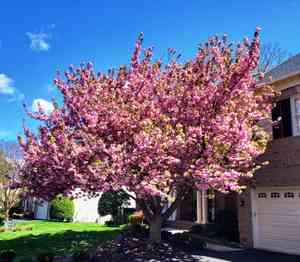
Prunus (Prunus)(Prunus)

Prunus (Prunus) (Prunus)

Also known as: Cherry, Plum, Peach, Apricot, Almond

*Prunus* is a genus that encompasses a variety of flowering fruit trees, including almonds, cherries, plums, peaches, nectarines, and apricots. These trees are often referred to as "stone fruits" because their seeds are encased in large, hard pits. When *Prunus* trees suffer damage, they may exhibit a condition called gummosis, where gum-like sap oozes from the bark to aid in healing external injuries.

Attributes of Prunus (Prunus)

Lifespan
Perennial
Plant Height
8 m
Spread
5 m
Leaf Color
Green, turning yellow, red or purple in autumn
Flower Size
2 to 5 centimeters (0.8 to 2 inches)
Flower Color
White, Pink

ForwardPlant - Identify plants with a snap

Identify and diagnose plants, get toxicity alerts, and explore safety guides for all types of fungi.

Try for Free

Images of Prunus (Prunus)

Prunus (Prunus)(Prunus)

Quickly Identify Prunus (Prunus)

1
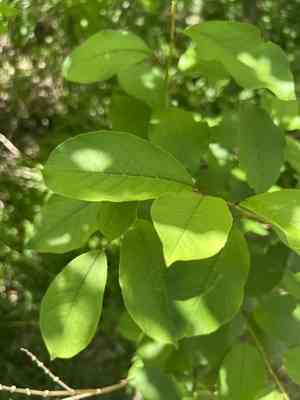
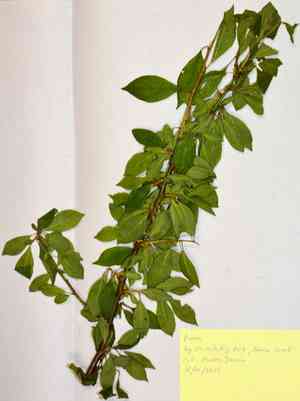
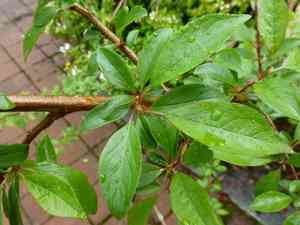
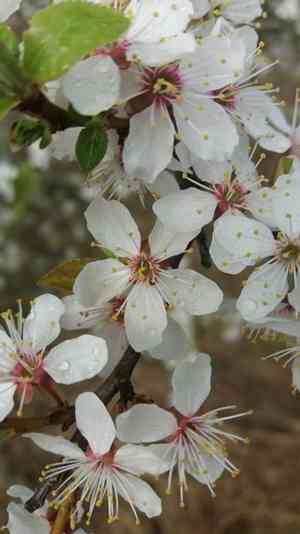
Prunus species can be identified by their smooth or slightly textured bark, simple and often ovate leaves with serrated margins, and five-petaled flowers that are usually white or pink.

Scientific Classification of Prunus (Prunus)

Phylum
Magnoliophyta
Class
Magnoliopsida
Order
Rosales
Family
Rosaceae
Genus
Prunus

Planting and Growing of Prunus (Prunus)

Care Difficulty
Moderate
Watering Schedule
Every 8 days
Sunlight Requirements
Full sun
Sunshine Duration
4-8 hours
Ideal Temperature
50-77℉
Soil Type
Potting Mix, Peat Mix
Soil pH
6-7.5
Fertilizer Type
Balanced
Pruning Season
Spring, Summer
Pruning Area
Branches, Leaves
Pruning Frequency
Once a year
Repotting Season
Spring
Pot Type
Plastic, Ceramic

water icon How to Water Prunus (Prunus)?

When watering Prunus, it is crucial to ensure that the soil remains consistently moist without becoming waterlogged. A general rule is to aim for about 500 ml of water per watering session. The goal is to achieve soil moisture that is slightly damp to the touch, indicating adequate hydration without excess moisture pooling at the base.
What are the symptoms of an underwatered Prunus (Prunus)? ›
What should I do if my Prunus (Prunus) is not getting enough water? ›
What are the symptoms of an overwatered Prunus (Prunus)? ›
How to save an overwatered Prunus (Prunus)? ›

sunlight icon What Are the Sunlight Requirements for Prunus (Prunus)?

Sunlight Requirements: Full sun, Partial sun
Duration of light: 6-8 hours daily
Prunus thrives optimally in full sun to partial sun conditions. Ensuring the plant receives between 6-8 hours of sunlight daily can enhance its flowering, fruiting, and resilience to pests and diseases.
What is the ideal lighting condition for Prunus? ›
How can you achieve ideal lighting for Prunus? ›
What benefits does Prunus gain from ideal lighting? ›

temperature icon What Is the Ideal Temperature Range for Prunus (Prunus)?

Ideal Temperature: 50 ~ 77℉
Prunus species thrive best in a temperature range of 50 to 77 degrees Fahrenheit. This range allows for optimal photosynthesis and growth, ensuring the plants develop strong foliage and fruit. The balance of warmth during the day and cooler nights supports the natural rhythm necessary for flowering and fruiting. It is crucial to maintain this range as fluctuations can hinder plant development.

soil icon What Soil is Best for Prunus (Prunus)?

Soil type: Loam, Sandy loam
Soil PH: 6 ~ 7.5
Prunus thrives in well-drained soil to prevent root rot. Good drainage allows for air exchange in the root zone, promoting healthier growth and preventing waterlogging, which can be detrimental to the plant's health. This plant benefits from nutrient-rich soils, ensuring that it receives adequate organic matter and essential nutrients. These nutrients are crucial for the development of robust foliage and the production of flowers or fruits. Prunus prefers soils that retain moderate moisture without becoming waterlogged. Such soils ensure a consistent supply of water to the roots while preventing excessive drying out, which can lead to stress.

fertilize icon How to Fertilize Prunus (Prunus)?

Fertilizer type: Balanced
For Prunus, a balanced approach to fertilization is crucial. During the growing season, apply approximately 100 grams of a balanced 10-10-10 NPK fertilizer per plant. Be careful not to over-fertilize, as it's better to adjust based on plant response.

prune icon How to Prune Prunus (Prunus)?

Pruning Time: Spring, Summer
Begin by sterilizing your pruning tools to prevent disease transfer. Prunus trees benefit from a three-step cut technique for larger branches to prevent tearing. Start by making a small notch on the underside of the branch around a foot from the trunk, then a cut from the top about an inch beyond the notch. Finally, remove the remaining stub, ensuring a clean cut just beyond the branch collar. Prunus trees should be shaped to allow sunlight to penetrate the inner canopy and encourage air circulation. Remove crossed, weak, or inward-facing branches to maintain an open and balanced structure. This not only improves the tree's appearance but also fosters a healthier environment resistant to disease and pest issues.

propagate icon How to Propagate Prunus (Prunus) plant?

Propagate Time: Spring, Early spring, Late spring
1
For seed propagation, collect ripe fruits, remove the outer flesh, and clean the seeds. For cuttings, select healthy, disease-free branches and make cuts at a 45-degree angle to promote root development.
2
Use a sterile and well-draining medium such as a mix of peat and perlite. This allows for adequate air circulation and moisture retention, essential for root formation and seedling growth.
3
Plant seeds a few centimeters deep, while cuttings can be inserted midway into the medium. Ensure the soil is consistently moist but not waterlogged, as excess water can cause root rot.

repot icon How to Repot Prunus (Prunus) plant?

Repotting frequency: Every 2-3 years
1
Prunus should be repotted when you notice roots poking out from drainage holes or when the soil becomes compacted. Another clear sign is stunted growth, where the tree starts to look less vibrant. Repotting in spring or autumn ensures that the plant has moderate weather conditions to recover and thrive.
2
Select a pot that is 2-3 inches wider in diameter than the current one, with adequate drainage holes. This additional space allows for root expansion, promoting a stronger root system and healthier growth. A pot with good drainage prevents waterlogging, which could otherwise lead to root rot.
3
Choose a well-draining loamy soil that's rich in organic matter. Such soils provide the necessary nutrients while maintaining proper aeration. The well-draining nature prevents water stagnation, reducing the risk of root diseases and ensuring that the plant roots can breathe easily, supporting robust growth.

ForwardPlant - Identify plants with a snap

Find the best spots for them to optimize their health, simply using your phone.

Try for Free

Toxicity of Prunus (Prunus)

Is Prunus (Prunus) toxic to cat?

Numerous species within the Prunus genus, such as apricot, cherry, and plum, contain cyanogenic compounds that pose a severe toxic threat to cats; it is crucial to seek urgent veterinary attention if a cat consumes any portion of these plants. Depending on the specific species, various parts including leaves, stems, seeds, flower buds, pits, fruit, and/or berries may exhibit toxicity. Signs of prunus poisoning in cats can manifest as red gums, excessive salivation, vomiting, dilated pupils, respiratory distress, increased heart rate, panting, and shock.

Is Prunus (Prunus) toxic to dog?

In addition to the mature pulp surrounding the seeds of this plant, every part of it harbors cyanide and poses a threat to dogs. Symptoms of poisoning may include difficulty breathing, bright red gums, shock, dilated pupils, and potentially fatal outcomes. The prunus plant is particularly hazardous to dogs when it is wilting. If you suspect your dog may have consumed this plant, seek immediate advice from your veterinarian.


Identify toxic plants for your safety

Learn which plants are harmful to you and your pets, and make informed choices for a safer home!

Try for Free
WARNING
The judgment on toxicity and danger is for reference only. We DO NOT GUARANTEE any accuracy of such judgment. Therefore, you SHALL NOT rely on such judgment. It is IMPORTANT TO SEEK PROFESSIONAL ADVICE in advance when necessary.
More About Toxic Techniques→