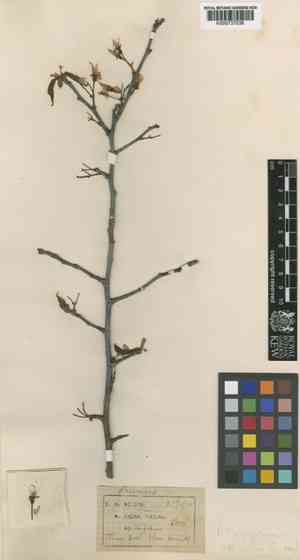
Yunnan cherry (Prunus yunnanensis)
Also known as: Yunnan Cherry
The Yunnan cherry (Prunus yunnanensis) is a popular deciduous tree in China, often used as an ornamental street tree. It features clusters of striking white flowers that bloom in spring, coinciding with the budding of its leaves. By summer, its fruits mature to a purplish-red hue.
In This Article
Attributes of Yunnan cherry
Lifespan
Perennial
Plant Type
Tree, Shrub
Plant Height
4 m to 8 m
Spread
3 m to 9 m
Leaf Color
Green
Flower Size
3.5 cm to 7 cm
Flower Color
White Red Pink
Images of Yunnan cherry

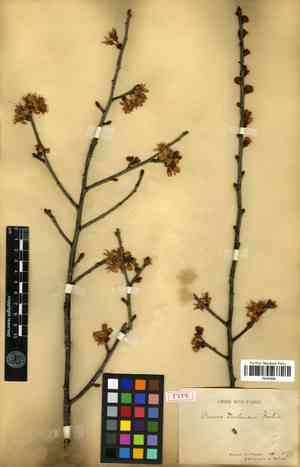
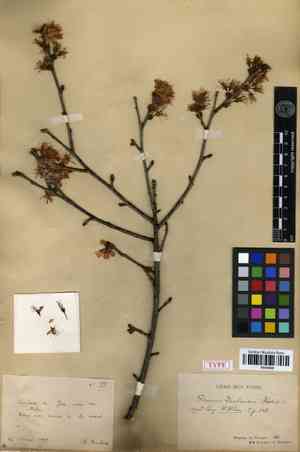
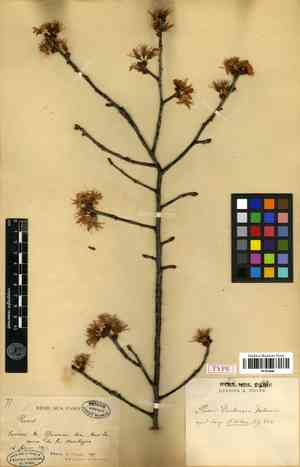
Quickly Identify Yunnan cherry
1
Look for the distinctive white to pink flowers, lanceolate leaves with serrated edges, and small red cherries. The bark is smooth and greyish.
Scientific Classification of Yunnan cherry
Phylum
Vascular plants
Class
Dicotyledons
Order
Roses, elms, figs, and allies
Family
Rose
Genus
Prunus
Species
Yunnan cherry
Planting and Growing of Yunnan cherry
Care Difficulty
Easy
Watering Schedule
Every 3 days
Sunlight Requirements
Partial sun
Sunshine Duration
4-8 hours
Ideal Temperature
60-75℉
Soil Type
Potting Mix, Peat Mix
Soil pH
6.5-7.5
Fertilizer Type
Balanced
Pruning Season
Spring, Summer
Pruning Area
Branches, Leaves
Pruning Frequency
2 times a year
Repotting Season
Spring
Pot Type
Plastic, Ceramic
 How to Water Yunnan cherry?
For Prunus yunnanensis, it's crucial that each watering session ensures the soil is thoroughly soaked, but not waterlogged. The ideal amount is about 1000 ml per watering. This quantity provides enough moisture to reach the root system without causing excessive pooling of water.
What are the symptoms of an underwatered Yunnan cherry?
›
What should I do if my Yunnan cherry is not getting enough water?
›
What are the symptoms of an overwatered Yunnan cherry?
›
How to save an overwatered Yunnan cherry?
›
 What Are the Sunlight Requirements for Yunnan cherry?
Partial sun to full sun is optimal for Prunus yunnanensis, aiding in vibrant growth and flowering. This range facilitates steady photosynthesis processes and defends against disease.
What is the best lighting condition for Prunus yunnanensis?
›
How can I achieve ideal lighting for Prunus yunnanensis?
›
What are the benefits of providing ideal lighting to Prunus yunnanensis?
›
 What Is the Ideal Temperature Range for Yunnan cherry?
The ideal temperature range for Prunus yunnanensis growth is between 60°F and 75°F. This range ensures optimum physiological processes, promoting healthy growth, flowering, and fruit development. The specified temperatures provide the most conducive conditions for key biochemical activities in the plant.
 What Soil is Best for Yunnan cherry?
Prunus yunnanensis thrives in well-drained soils that prevent waterlogging. Ensuring proper drainage helps in avoiding root rot and improves nutrient uptake, promoting overall health and growth. This plant requires soil rich in organic matter, which provides essential nutrients and supports soil structure. Incorporating compost or leaf mold can enrich soil fertility and enhance plant vigor. Maintaining adequate moisture retention is crucial for Prunus yunnanensis, as it ensures continuous water availability without saturation. Mulching helps preserve soil moisture content and encourages healthy root development.
 How to Fertilize Yunnan cherry?
For Prunus yunnanensis, an optimal fertilizing regimen usually calls for a balanced 10-10-10 NPK liquid fertilizer, applied at half the strength. During the active growing season, aim for around 1/2 cup of the diluted solution per application for every five-gallon container it occupies.
 How to Prune Yunnan cherry?
Begin by assessing the overall shape and size of the Prunus yunnanensis. Ideally, maintain a balanced structure with a pleasing aesthetic appearance. Remove any crossed or inward-growing branches to improve airflow and sunlight penetration. Utilize sharp, clean pruning shears to make smooth cuts. Always cut just above a healthy bud or branch junction at an angle to promote proper healing. For larger branches, use a three-cut method to prevent tearing. If the plant's height is an issue, reduce it carefully by cutting back to a lateral branch. This ensures the plant maintains a natural look and promotes new growth from healthy nodes. Throughout the growing season, aim to keep the canopy open by selectively thinning out denser parts. This allows better light distribution, encourages newer growth, and prominently showcases the plant's blooms.
More About Pruning Techniques→
 How to Propagate Yunnan cherry plant?
1
Collect seeds from mature Prunus yunnanensis fruits and clean off any pulp. It's important to stratify the seeds by subjecting them to cold treatment to break dormancy. Place the seeds in a mixture of sand and peat moss, then refrigerate for 2-3 months at 4°C.
2
Select healthy, disease-free branches in the spring. Using sterilized pruning shears, cut a 15-20 cm length from the branch, ensuring it includes at least two nodes. Remove any leaves from the bottom half to reduce water loss and the risk of rot.
3
Use the cleft grafting technique for Prunus yunnanensis. Select a healthy rootstock that matches in diameter with the scion. Make a clean cut on both, insert the scion into the split of the rootstock, and secure the graft union with horticultural tape for stability.
 How to Repot Yunnan cherry plant?
1
Prunus yunnanensis should be repotted when you notice signs such as roots coming out of the drainage holes or slow growth despite regular care. These signals, often visible in spring, show that the plant is outgrowing its current pot or the soil quality is degrading.
2
Select a pot just one size larger than the current one to prevent excessive soil moisture, which could lead to root rot. Ensure it has adequate drainage holes; this helps prevent waterlogged conditions and keeps the roots healthy and comfortable as they grow.
3
Opt for well-draining acid soil. This choice enhances root aeration and mimics the plant's natural habitat, providing essential nutrients and preventing water from pooling around the roots, which could cause fungal issues.
Toxicity
Ingestion, physical contact with sap
WARNING
The judgment on toxicity and danger is for reference only. We DO NOT GUARANTEE any accuracy of such judgment. Therefore, you SHALL NOT rely on such judgment. It is IMPORTANT TO SEEK PROFESSIONAL ADVICE in advance when necessary.



