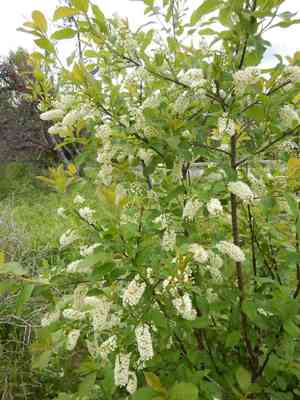
Common chokecherry (Prunus virginiana)
Also known as: Virginia bird cherry, Black chokecherry
Prunus virginiana, or common chokecherry, is a deciduous small tree or suckering shrub that is frequently mistaken for chokeberry because of their similar-looking fruits. Both plants are notable for their high antioxidant levels in their fruits. Common chokecherry is ecologically significant, serving as a larval host for many moth species.
Attributes of Common chokecherry
Images of Common chokecherry
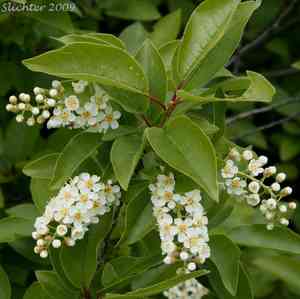
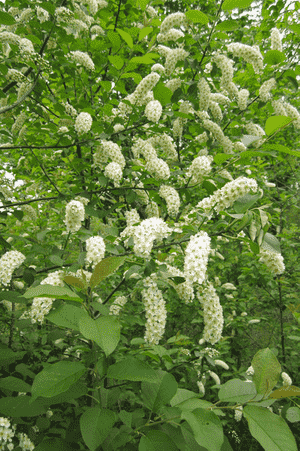
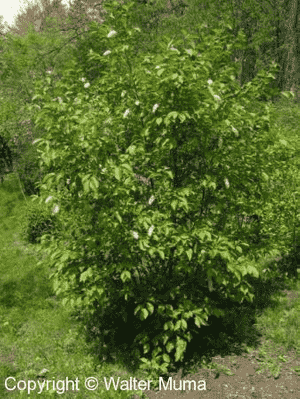
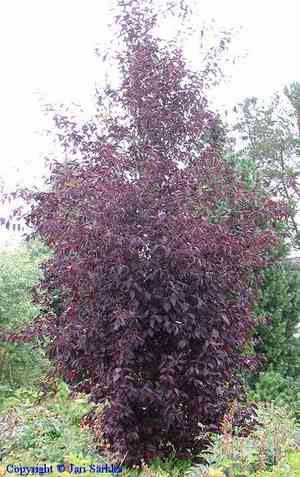
Quickly Identify Common chokecherry
Scientific Classification of Common chokecherry
Planting and Growing of Common chokecherry
 How to Water Common chokecherry?
 What Are the Sunlight Requirements for Common chokecherry?
 What Is the Ideal Temperature Range for Common chokecherry?
 What Soil is Best for Common chokecherry?
 How to Fertilize Common chokecherry?
 How to Prune Common chokecherry?
 How to Propagate Common chokecherry plant?
 How to Repot Common chokecherry plant?
Toxicity of Common chokecherry
Is Common chokecherry toxic to humans?
Similar to other members of the *Prunus* genus, the common chokecherry exhibits toxic properties that can trigger adverse reactions in humans upon ingestion. The effects may be severe, potentially leading to fatality in extreme situations, primarily due to the presence of hydrocyanic acid found in certain plant parts which can induce cyanide poisoning. Specifically, the seeds, or pits, residing within the fruits, along with the leaves and stems of the plant, are toxic. Consuming these parts in significant quantities may lead to serious health issues characterized by symptoms such as vomiting, headaches, and dizziness. In the most dire circumstances, it can culminate in death. Given that *Prunus* fruits are frequently enjoyed as edible varieties, there is a possibility that individuals may inadvertently consume the seeds present in the fruit, unaware of their potential toxicity.



