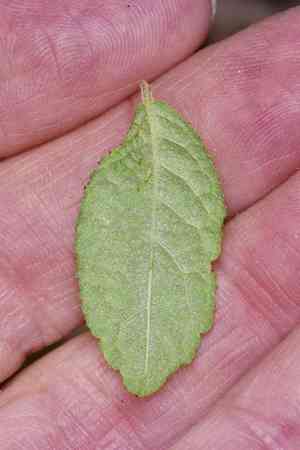
Peachbush (Prunus texana)
Also known as: Duraznillo
Peachbush, a deciduous shrub native to the limestone-rich soils of Texas hill country, typically reaches heights of 1-2 meters. It features a dense, rounded crown and produces vibrant pink flowers in spring, followed by red, cherry-like fruits in summer that attract local wildlife. Adapted to the Southwestern US climate, this hardy plant thrives in full sun and dry conditions, showcasing its drought tolerance.
In This Article
Attributes of Peachbush
Lifespan
Perennial
Plant Type
Tree
Plant Height
1.8 m to 3.5 m
Spread
2 to 4 feet (0.6 to 1.2 meters)
Leaf Color
Green
Flower Size
0.5 to 1 inch (1.3 to 2.5 cm)
Flower Color
Pink to white
Images of Peachbush
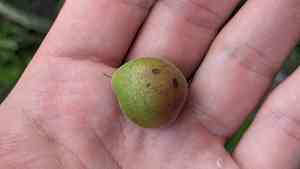
Quickly Identify Peachbush
1
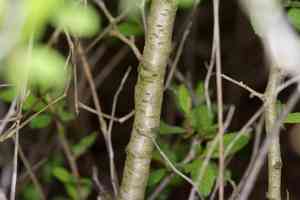
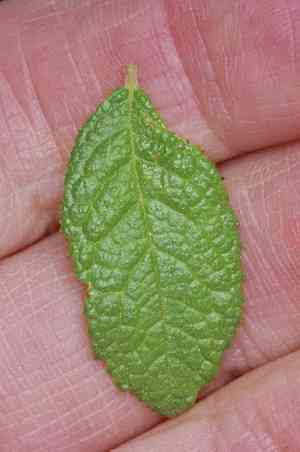
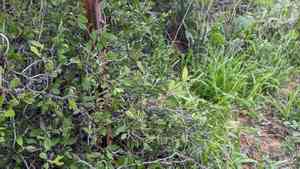
Identify Prunus texana by its small tree or shrub form, pink to white spring flowers, and elongated, serrated leaves. The bark is typically gray with a rough texture.
Scientific Classification of Peachbush
Phylum
Vascular plants
Class
Dicotyledons
Order
Rosales
Family
Rose
Genus
Prunus
Species
Peachbush
Planting and Growing of Peachbush
Care Difficulty
Moderate
Watering Schedule
Every 2 days
Sunlight Requirements
Full sun
Sunshine Duration
6-10 hours
Ideal Temperature
65-75℉
Soil Type
Potting Mix, Peat Mix
Soil pH
6.5-7.5
Fertilizer Type
Balanced
Pruning Season
Spring, Summer
Pruning Area
Branches, Leaves
Pruning Frequency
2 times a year
Repotting Season
Spring
Pot Type
Plastic, Terracotta
 How to Water Peachbush?
Prunus texana requires a moderate watering approach. Ideally, water the plant until the top inch of soil feels consistently moist, but avoid saturation. This typically translates to about 500 ml per session, allowing the soil to stay slightly on the drier side between waterings. This plant needs well-drained soil, so adequate water should ensure the soil remains hydrated without turning soggy.
What are the symptoms of an underwatered Peachbush?
›
What should I do if my Peachbush is not getting enough water?
›
What are the symptoms of an overwatered Peachbush?
›
How to save an overwatered Peachbush?
›
 What Are the Sunlight Requirements for Peachbush?
The ideal light range involves full sun to partial sun; this means receiving direct sunlight for most of the day. This optimal lighting enhances the plant’s growth potential, flowering, and resilience.
How much light does Prunus texana need?
›
What are some solutions to achieve ideal sunlight?
›
What are the benefits of ideal lighting for this plant?
›
 What Is the Ideal Temperature Range for Peachbush?
The ideal temperature range for Prunus texana is between 65°F and 75°F. In this range, the plant can perform optimally, promoting healthy growth and ideal blooming. Consistent temperatures within this range prevent stress and physiological imbalances, ensuring the plant doesn't redirect energy from growth to survival.
 What Soil is Best for Peachbush?
Prunus texana thrives in soil rich in organic matter and nutrients. Ensuring the soil is fertile can significantly boost the plant's growth, yielding lush foliage and robust health. This plant prefers well-draining soil to prevent root rot. Incorporating organic composts can enhance drainage, ensuring that the roots receive enough air and do not sit in water. While good drainage is important, the soil should also retain some moisture to support sustained hydration. Mulching can be beneficial, as it helps in moisture retention while maintaining the soil's health.
 How to Fertilize Peachbush?
For Prunus texana, the fertilization should be moderate. Generally, apply around 1 ounce of balanced fertilizer per plant each application, ensuring the nutrients are evenly distributed to promote healthy growth without overburdening the soil.
 How to Prune Peachbush?
Start by cleaning your pruning tools to prevent disease transmission. Select the appropriate shears for the branch size you're trimming. Focus on removing dead, diseased, or damaged branches first to maintain the health of Prunus texana. To promote new growth, make cuts to encourage open center trimming, which will allow sunlight to penetrate and increase air circulation. This method helps develop a more robust framework and maintains the aesthetic form of your tree. In shaping the shrub, make cuts just above a bud facing the direction you want the branch to grow. This assists in controlling the overall size and form of Prunus texana, ensuring that it maintains an attractive appearance and fits the desired space.
More About Pruning Techniques→
 How to Propagate Peachbush plant?
1
Collect seeds from mature Prunus texana fruits during late summer. Clean and dry the seeds thoroughly before storing them in a cool, dry place.
2
In early spring, sow the seeds in a well-draining soil mix. Cover them lightly with soil and water regularly to keep the soil moist but not waterlogged.
3
In spring, use pruning shears to take 6-inch cuttings from healthy, non-flowering stems. Dip them in rooting hormone and plant in a sandy soil mix.
 How to Repot Peachbush plant?
1
Prunus texana signals the need for repotting when roots begin emerging from drainage holes, or when its growth stalls despite adequate care. These signs, often visible in spring or fall, are indicators that the plant's roots have occupied the container space and need more room to thrive.
2
Select a pot that is 2-3 inches larger in diameter than the current one. The material should provide good drainage, such as terracotta or a pot with multiple drainage holes, to prevent waterlogging. This ensures the root system develops healthily, avoiding issues like root rot.
3
Opt for a loamy soil with excellent drainage properties. A mix containing sand, compost, and perlite is ideal to prevent water retention while offering nutrients. Such soil promotes healthy root development and supports the plant in drawing necessary nutrients effectively.
Toxicity
Ingestion
WARNING
The judgment on toxicity and danger is for reference only. We DO NOT GUARANTEE any accuracy of such judgment. Therefore, you SHALL NOT rely on such judgment. It is IMPORTANT TO SEEK PROFESSIONAL ADVICE in advance when necessary.



