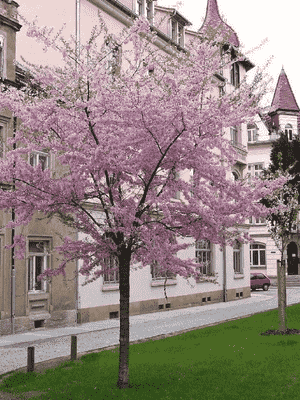
Winter-flowering cherry (Prunus subhirtella)
Also known as: Higan cherry, Spring cherry, Sakura
The plant you're thinking of is the **Camellia**, originally cultivated in Japanese horticulture. Its delicate flowers bloom from fall to spring, providing beauty during the darker months. This plant is often found in Buddhist and Shinto shrines, where it is regarded as sacred. Additionally, the Camellia is low maintenance and supports local wildlife, including bees and birds.
In This Article
Attributes of Winter-flowering cherry
Lifespan
Perennial
Plant Type
Tree
Plant Height
12 m to 15 m
Spread
4.5 m to 8 m
Leaf Color
Yellow Green Bronze
Flower Size
2.5 cm
Flower Color
White Pink
Images of Winter-flowering cherry

Quickly Identify Winter-flowering cherry
1
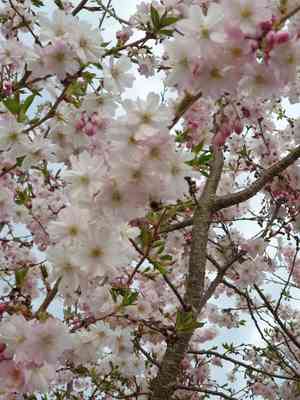
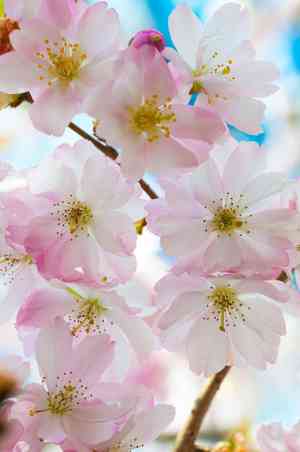
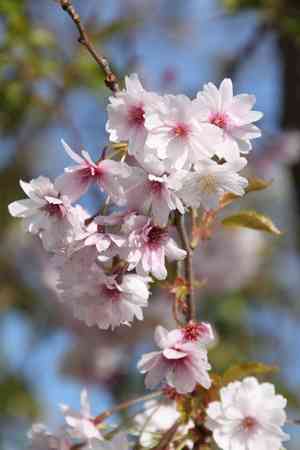
Look for the characteristic small, single or semi-double blossoms that bloom in early spring. The leaves are alternately arranged, serrated, and typically turn yellow or bronze in fall. The bark is reddish-brown with horizontal lenticels.
Scientific Classification of Winter-flowering cherry
Phylum
Vascular plants
Class
Dicotyledons
Order
Rosales
Family
Rose
Genus
Prunus
Species
Winter-flowering cherry
Planting and Growing of Winter-flowering cherry
Care Difficulty
Easy
Watering Schedule
Every 8 days
Sunlight Requirements
Full sun
Sunshine Duration
4-8 hours
Ideal Temperature
60-65℉
Soil Type
Potting Mix, Peat Mix
Soil pH
6-7.5
Fertilizer Type
Balanced
Pruning Season
Spring, Summer
Pruning Area
Branches, Leaves
Pruning Frequency
2 times a year
Repotting Season
Spring
Pot Type
Plastic, Terracotta
 How to Water Winter-flowering cherry?
For Prunus subhirtella, water each session should thoroughly saturate the root zone. Generally, about 1000 milliliters per watering ensures the roots have enough moisture without becoming waterlogged. Water deeply until water runs out from the drainage holes.
What are the symptoms of an underwatered Winter-flowering cherry?
›
What should I do if my Winter-flowering cherry is not getting enough water?
›
What are the symptoms of an overwatered Winter-flowering cherry?
›
How to save an overwatered Winter-flowering cherry?
›
 What Are the Sunlight Requirements for Winter-flowering cherry?
Prunus subhirtella flourishes under full sun to partial sun conditions, preferably receiving 6 to 8 hours of bright sunlight daily. Adequate sunlight ensures healthy foliage, robust branching, and prolific blossom production.
How much sunlight does Prunus subhirtella need?
›
What happens if Prunus subhirtella receives inadequate sunlight?
›
What are some effective ways to provide ideal sunlight?
›
 What Is the Ideal Temperature Range for Winter-flowering cherry?
The ideal temperature range for Prunus subhirtella, or the Higan cherry, is between 60°F and 65°F. These temperatures mimic the conditions of their natural habitat, promoting optimal growth, flowering, and development. Higan cherries thrive in moderate climates and prefer conditions that are not too extreme in terms of temperature fluctuations. Consistent temperatures within this range help ensure the plant's health and longevity.
 What Soil is Best for Winter-flowering cherry?
Prunus subhirtella thrives in well-drained soils that prevent waterlogging. This is crucial for its root health, ensuring they don't suffocate from excess moisture. Well-drained soil allows the roots to access sufficient oxygen, supporting robust growth and overall vitality. This cherry tree prefers nutrient-rich soil, which provides the essential minerals required for its lush foliage and prolific blooming. Regularly enriching the soil with organic matter or balanced fertilizers can help maintain its vivid growth and floral output. While well-drained, the soil should also have good moisture-retaining properties to sustain the tree during dry spells. Mulching around the base can help retain moisture, reducing the need for frequent watering and supporting the tree’s resilience.
 How to Fertilize Winter-flowering cherry?
Prunus subhirtella should be fertilized with a light hand. Apply liquid fertilizer at the beginning of the growing season and again mid-summer. Ensure that the fertilizer is balanced and diluted to half-strength to prevent root burn.
 How to Prune Winter-flowering cherry?
Before you start pruning, carefully inspect the Prunus subhirtella for any dead, diseased, or damaged branches. These should be removed first, as they can affect the overall health of the tree. Use clean, sharp pruning shears to make clean cuts just above a healthy bud or branch intersection. After removing problematic branches, focus on shaping the tree to your desired structure. Prune back branches to manage height and spread, keeping the tree open and allowing sunlight to penetrate its core. Ensure you maintain a balanced look, cutting back to a bud that faces outwards. Reducing congestion within the canopy of the Prunus subhirtella helps improve airflow, which reduces the risk of fungal diseases. Carefully select and remove any crossing or overcrowded branches, especially in the center of the tree. Finally, clear any unwanted shoots that emerge from the base or along the trunk, often known as suckers. These can detract energy from the main body of the tree, so regular removal keeps the tree's energy focused on blooming branches.
More About Pruning Techniques→
 How to Propagate Winter-flowering cherry plant?
1
Choose healthy, young stems without any pests or diseases. The stem should be semi-hardwood, indicating maturity but not yet fully hard.
2
Cut the selected stems at an angle and strip the lower leaves. Dip the cut end into rooting hormone for improved root development.
3
Insert the cuttings into a pot with a well-draining soil mix. Ensure only the stripped part of the stem is buried and water lightly.
 How to Repot Winter-flowering cherry plant?
1
Prunus subhirtella should be repotted when you notice roots circling the pot or escaping through the drainage holes. These signs indicate the plant has outgrown its current container and needs more room to thrive.
2
Select a pot that is one size larger than the current container. It should have adequate drainage holes to prevent waterlogging. Using a slightly larger pot allows the roots to spread comfortably, promoting healthy growth and preventing root rot.
3
Opt for a well-draining fertile soil mix rich in organic matter. This type of soil ensures that the Prunus subhirtella receives the necessary nutrients while preventing excessive moisture that could lead to root diseases.
Toxicity
Ingestion
WARNING
The judgment on toxicity and danger is for reference only. We DO NOT GUARANTEE any accuracy of such judgment. Therefore, you SHALL NOT rely on such judgment. It is IMPORTANT TO SEEK PROFESSIONAL ADVICE in advance when necessary.



