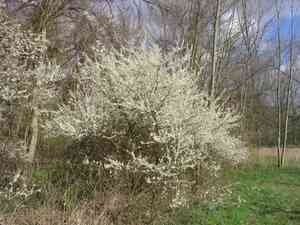
Blackthorn (Prunus spinosa)
Also known as: blackthorn, sloe
Blackthorn (Prunus spinosa), also known as sloe, is a sizable deciduous shrub native to Europe, Asia, and Africa. In Britain, the plant’s berries are used to produce sloe gin. In Ireland, the shrub's wood is crafted into walking sticks, often referred to as shillelaghs.
Attributes of Blackthorn
Images of Blackthorn
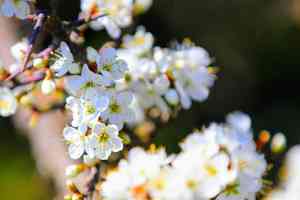
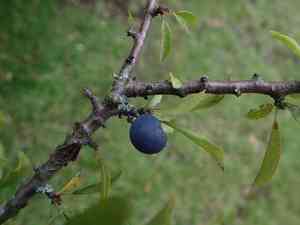
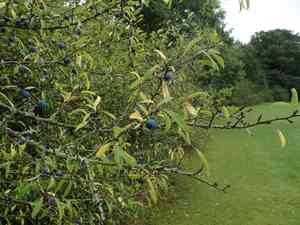
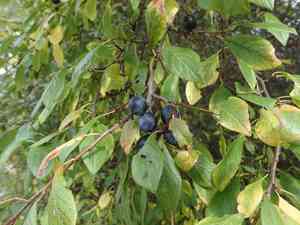
Quickly Identify Blackthorn
Scientific Classification of Blackthorn
Planting and Growing of Blackthorn
 How to Water Blackthorn?
 What Are the Sunlight Requirements for Blackthorn?
 What Is the Ideal Temperature Range for Blackthorn?
 What Soil is Best for Blackthorn?
 How to Fertilize Blackthorn?
 How to Prune Blackthorn?
 How to Propagate Blackthorn plant?
 How to Repot Blackthorn plant?
Toxicity of Blackthorn
Is Blackthorn toxic to humans?
Blackthorn presents a moderate toxicity threat to humans, primarily from ingestion. The entire plant contains toxic elements, except for the ripe flesh, which is safe for consumption. Ingesting other parts may release hydrogen cyanide, a potent compound that disrupts cellular oxygen utilization. Poisoning symptoms can encompass difficulty breathing, dizziness, headaches, confusion, and potentially seizures. The intensity of these symptoms can differ based on the quantity consumed. It is essential for individuals to refrain from consuming any part of blackthorn aside from the ripe flesh to avoid unintentional poisoning.
Is Blackthorn toxic to cat?
Blackthorn carries a moderate toxicity risk for cats and can be especially perilous if ingested accidentally. Each part of the plant is toxic except for the ripe fruit, meaning that contact with any other segment can lead to potential poisoning. Cats that consume blackthorn may show signs of physical discomfort or illness. In the event of such an occurrence, it is crucial to obtain immediate veterinary care to ensure the cat's health is properly addressed. The toxic agent found in blackthorn is hydrogen cyanide, which accounts for these negative health repercussions; therefore, it is vital to take precautions to keep cats away from this plant.
Is Blackthorn toxic to dog?
Blackthorn presents a moderate toxicity threat to dogs. Canines might unintentionally consume various parts of blackthorn, resulting in possible poisoning. The main risk stems from the ingestion of any section of the plant, excluding the ripe fruit, which is deemed toxic. If a dog ingests blackthorn, it may display symptoms such as vomiting, diarrhea, abdominal discomfort, and more severe reactions like respiratory distress or seizures due to hydrogen cyanide content. Dog owners must remain alert and ensure their pets do not reach blackthorn. Should a dog ingest this plant, seeking immediate veterinary care is essential for timely treatment.



